


Commercial Demolition Services: What Every Business Owner Should Know
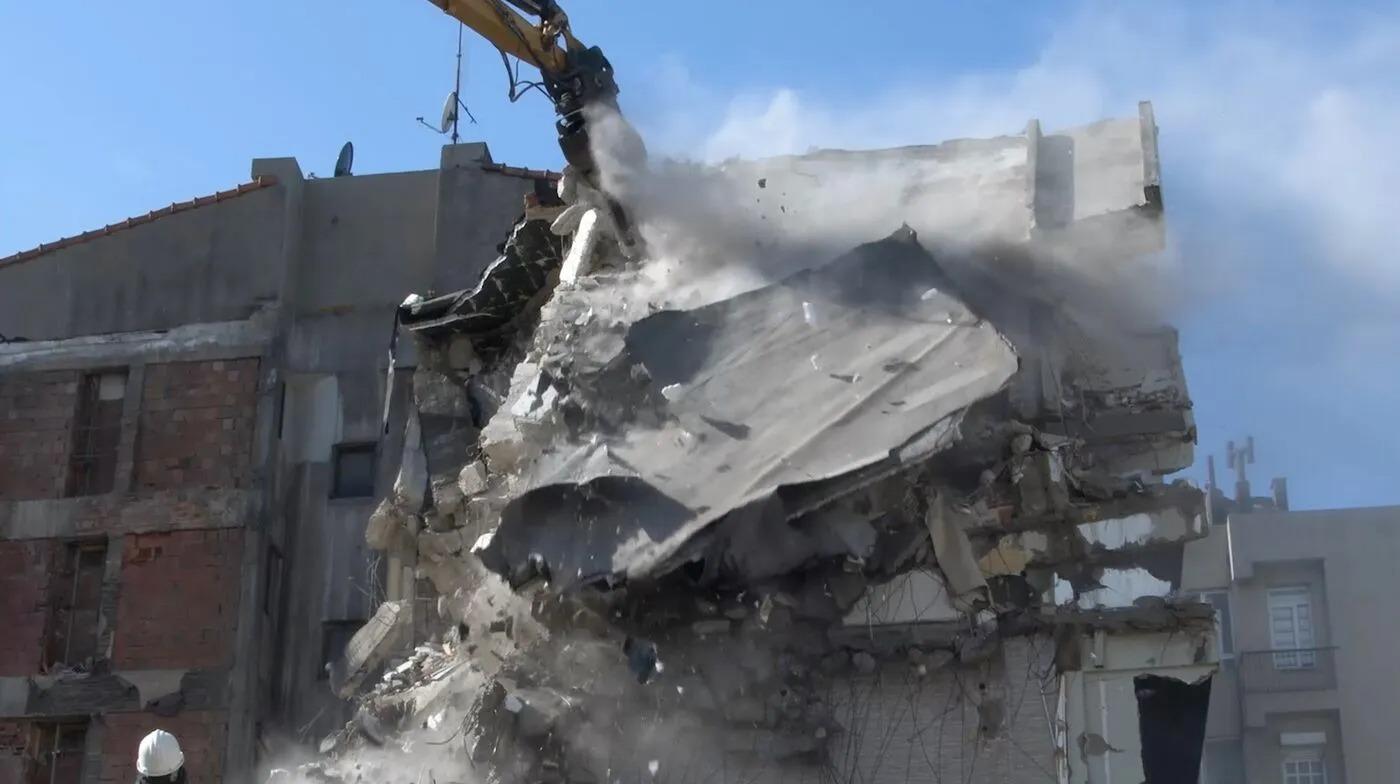
When a commercial property reaches the end of its useful life, or a business needs to clear space for redevelopment, the process of arranging commercial demolition services can feel unfamiliar territory for owners who haven't been through it before. Unlike residential jobs, commercial demolition often involves larger structures, tighter regulatory requirements, and more moving parts to coordinate. This guide breaks down what's actually involved, so you know what to expect and what questions to ask.
Why Commercial Demolition Is Different
Commercial buildings tend to be larger, structurally more complex, and often located in areas with more constraints — think shared walls, nearby businesses still trading, or restricted access for heavy machinery. This means commercial demolition services need to account for factors that rarely come up in a straightforward residential job:
- Coordinating with neighbouring businesses or tenants during the works
- Managing noise, dust, and disruption within acceptable limits
- Handling larger volumes of structural material and waste
- Navigating local authority requirements around access, hours of work, and public safety
Because of this, commercial demolition is rarely a quick "turn up and knock it down" job — it requires proper planning from the outset.
Key Types of Commercial Demolition Work
Depending on the nature of the property and the end goal, commercial demolition can take several forms:
Full-scale demolition – removing an entire structure, typically to clear a site for redevelopment or new construction.
Strip outs – stripping the interior of a commercial unit back to a shell, often used when a business is relocating or renovating without needing to demolish the entire building.
Mechanical demolition – using heavy plant and equipment for larger or structurally complex buildings where manual demolition isn't practical.
Site clearance – once the structure is down, clearing debris and preparing the plot for its next use.
A good commercial demolition contractor should be able to advise which approach fits your specific building and end goal, rather than offering a one-size-fits-all solution.
What the Process Typically Involves
A properly managed commercial demolition project generally follows a sequence:
- An initial site visit and assessment to understand the building's structure, size, and any complicating factors
- A check for hazardous materials, particularly asbestos, which is common in older commercial buildings
- Development of a method statement and risk assessment (RAMS) outlining exactly how the work will be carried out safely
- The physical demolition or strip-out work itself, using appropriate methods for the scale of the building
- Site clearance and waste removal, ideally with a focus on recycling materials where possible
Skipping any of these steps — particularly the hazardous materials check — can create serious legal and safety issues later.
Common Mistakes to Avoid
- Underestimating the asbestos risk. Many commercial buildings constructed before the early 2000s contain asbestos in some form. This must be identified and managed before demolition begins.
- Not accounting for business disruption. If neighbouring units are still trading, failing to plan around noise and access can create real friction and even liability issues.
- Overlooking waste and recycling obligations. Commercial demolition generates significant material volumes, and responsible disposal — including recycling — should be part of the plan, not an afterthought.
- Choosing a contractor without commercial experience. Residential and commercial demolition require different equipment, planning, and regulatory knowledge — make sure the contractor has genuine experience with buildings of your scale.
- Not confirming project management support. Larger commercial jobs benefit from a single point of contact managing the process, rather than loosely coordinated separate trades.
Who This Applies To
This is relevant for property developers, business owners preparing a unit for renovation, landlords clearing a site between tenants, and organisations managing the end-of-life demolition of an owned building. Whether the job is a single retail unit or a larger industrial structure, the same core principles of planning, safety, and compliance apply.
Budgeting for a Commercial Demolition Project
One area that catches business owners off guard is how much the total cost can shift once a proper survey has been carried out. An initial estimate based on floor area alone rarely accounts for factors like asbestos removal, the volume of waste generated, or the complexity of accessing a site with limited street frontage. It's worth asking any contractor for a breakdown that separates the core demolition work from these variable cost drivers, rather than accepting a single all-in figure that might change significantly once work is underway. Building in a reasonable contingency at the budgeting stage — rather than being surprised by it later — tends to make the whole process far less stressful.
Practical Tips: What to Check Before Hiring
- Ask about experience with buildings similar in scale to yours — commercial demolition isn't a simple scale-up of residential work.
- Confirm an asbestos survey will be carried out before any physical work begins.
- Request a written method statement and risk assessment so you understand exactly how the job will be executed.
- Ask how waste will be handled, including what percentage is typically recycled versus sent to landfill.
- Check for appropriate accreditations, such as construction health and safety scheme membership and registration as a licensed waste carrier.
- Clarify how disruption will be managed if the site is near active businesses or public areas.
- Get a clear, itemised quote rather than a single lump-sum figure, so you can see exactly what's included.
Final Thoughts
Commercial demolition is a bigger undertaking than most business owners initially expect, but it doesn't need to be a stressful one if the right groundwork is done early. A contractor who takes the time to properly assess your site, plan for hazards like asbestos, and manage waste responsibly will save you time, cost, and hassle in the long run. Take the process seriously from the first phone call, and the rest of the project tends to follow much more smoothly.

 English
 Arabic
 French
 Spanish
 Portuguese
 Deutsch
 Turkish
 Dutch
Dutch
 Italiano
 Russian
 Romaian
 Portuguese (Brazil)
 Bengali