


Who Owns the Tooling? The Blister Box Question Buyers Forget to Ask
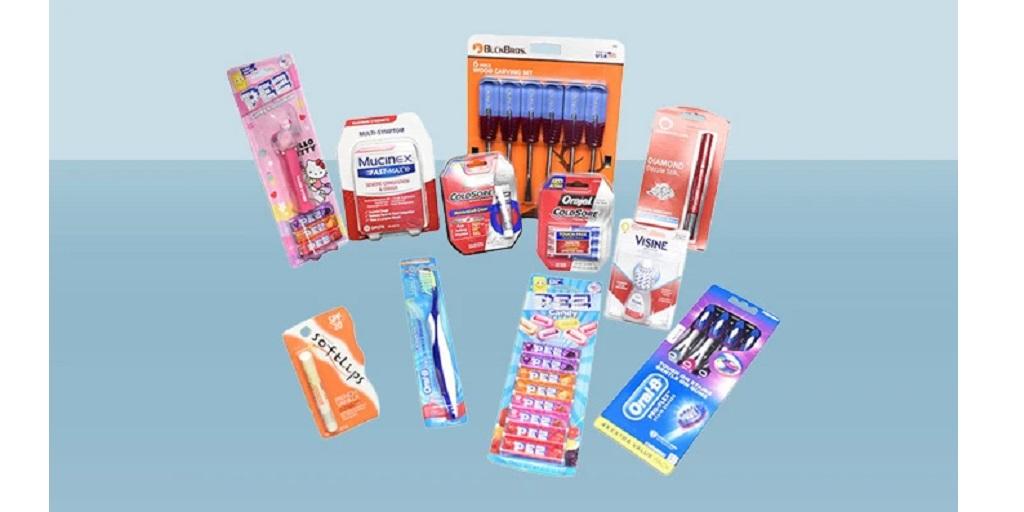
Tooling shows up as a line item on the first invoice, and most brands approve it without reading the terms attached. Buyers who order custom blister cards pay that charge and assume the tool is theirs, then learn otherwise the first time they move a blister box program to a second plant. The tool stays where it was cut, and the schedule resets.
Ask Who Owns the Blister Box Tooling
Paying a tooling charge and owning the tool are two different transactions. Supplier terms usually treat that charge as amortized development cost, leaving the converter with the physical asset and the drawings behind it. A brand that funds a blister box tool without a written ownership clause has bought production capacity, not property. Article 2 of the Uniform Commercial Code covers the sale of goods, not the equipment that makes them, so title to tooling has to appear as its own contract term. Get it in writing before the first PO goes out.
Write Blister Box Tooling Ownership Into the PO
Verbal assurances don't survive account manager turnover. A purchase order clause does, and it needs three parts: where title passes to the buyer, who covers storage and maintenance between runs, and a release window in calendar days. Buyers moving a blister box program between plants get caught by the third part most often. A window written as "a reasonable time" hands interpretation back to the supplier, since reasonableness under the UCC gets settled after a dispute starts. Set the number yourself and put the clause in the standard PO template.
Request the Tool Drawing Before Production Starts
Ownership without documentation is worth little. Thermoformed packaging depends on cavity dimensions, draft angles, and film gauge, so no second converter can rebuild a tool from a finished part alone. Ask for a dimensioned 2D drawing, a 3D file in STEP or IGES format, and confirmation of whether the tool is machined aluminum or an epoxy prototype. PVC and PET don't run the same in one cavity, so the drawing should name which plastic blister packaging material the tool was qualified against. Make that package a deliverable on the tooling PO.
Match Minimum Order Quantities to Real Forecasts
MOQ mismatches push brands into a second tool. Blister pack manufacturing prices off run efficiency, so the supplier sets a floor from how many cards fit a press sheet. A card laid out on a standard 28 by 40 inch SBS sheet yields a different count at 18 pt than at 24 pt, and that yield drives the MOQ and the unit price together. Ask for the sheet layout and pieces per sheet with the quote, then test the floor against a twelve month forecast, not the launch order.
Source High Volume SKUs From Two Plants
One tool in one plant is a single point of failure on the highest revenue SKUs. A duplicate tool at a second converter costs less than an expedited rebuild during a stockout, and it gives the buyer a real second quote at renewal. Retail blister packaging brings a testing cost with any move, since a new converter means running transit qualification again. Rank SKUs by annual volume, take the top two or three, and budget duplicate tooling in the launch year.
Audit the Blister Box Supplier Before Signing
The tooling audit runs in a single call. Ask how the supplier stores idle tools, whether they have transferred tooling to a competitor before, and what documentation travels with it. Blister seal packaging in regulated categories raises the stakes, because ISO 11607-2 calls for revalidation of the sealing process when the equipment or supplier changes, and that work lands on the brand's timeline. Converters that publish their formats and capabilities, like Oliver, Inc., make the comparison easier. Put those questions in the RFQ so every bidder answers on the record.
Tooling ownership decides how much room a brand has the day a blister box program needs to move. Buyers who settle it in the contract keep that room, and buyers who assume it pay for the same tool twice.
For more information about Folding Cartons and Printed Marketing Collateral Please visit: Oliver Inc.

 English
 French
 Spanish
 Portuguese
 Deutsch
 Turkish
 Dutch
Dutch
 Italiano
 Russian
 Romaian
 Portuguese (Brazil)
 Greek
Greek
 Bengali