


Who Controls a Trust? Understanding Trustee and Grantor Authority
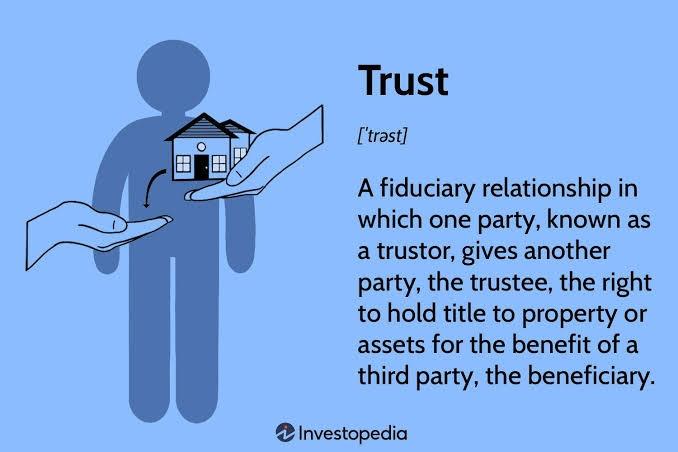
Trusts are commonly used to manage property, protect family interests, and organize the transfer of wealth. But because several people can have different roles within a trust, it is not always obvious who actually makes decisions. A grantor creates the trust, a trustee manages trust property, and beneficiaries receive the benefits described in the trust agreement.
So, who controls a trust? The answer depends on the type of trust, the powers granted in the trust document, and the applicable law. In some arrangements, the person who creates the trust retains substantial control. In others, management is largely placed in the hands of an independent trustee.
Understanding these roles is important before creating a trust or becoming involved in its administration.
The Grantor Creates the Trust
The grantor, sometimes called the settlor or trustor, is the person who establishes the trust and transfers assets into it.
The grantor generally decides the trust's purpose, identifies beneficiaries, selects the initial trustee, and establishes instructions for managing and distributing trust property.
In a revocable living trust, the grantor may retain significant powers. For example, the grantor may be able to amend the trust, revoke it, change beneficiaries, or replace the trustee, depending on the terms of the document.
This means the grantor can have substantial control while the trust remains revocable.
The Trustee Manages Trust Property
The trustee is usually the person or institution responsible for administering the trust.
A trustee may manage investments, oversee real estate, maintain records, pay appropriate expenses, communicate with beneficiaries, and make distributions when authorized by the trust.
However, the trustee does not simply own the assets for personal use. The trustee generally has fiduciary responsibilities and must manage trust property according to the trust agreement and applicable law.
The trustee's authority can be broad or limited depending on the language of the trust.
Revocable Trusts Often Give the Grantor More Control
A common example is a revocable living trust in which the grantor serves as the initial trustee.
In this arrangement, the grantor may create the trust, transfer assets into it, manage those assets, and retain the power to make changes while alive and capable.
Because the grantor and trustee can be the same person, the distinction between creating the trust and managing it may seem less obvious.
However, the arrangement still has a legal structure. If the grantor becomes incapacitated or dies, a successor trustee can step in and administer the trust according to its terms.
Irrevocable Trusts Can Limit the Grantor's Control
Irrevocable trusts generally operate differently.
After assets are transferred to an irrevocable trust, the grantor may have significantly fewer rights to change, revoke, or reclaim the trust property. The trustee generally assumes responsibility for administering the assets under the trust agreement.
This separation can be intentional. Some estate plans use irrevocable trusts to accomplish specific long-term planning objectives, such as structured wealth transfers or certain asset protection and tax planning goals.
Because giving up control can have significant consequences, the terms should be carefully reviewed before assets are transferred.
Beneficiaries Do Not Usually Control the Trust
Beneficiaries have rights under the trust, but they generally do not manage trust property simply because they are beneficiaries.
Depending on the trust's terms and applicable law, beneficiaries may have rights to receive distributions, obtain certain information, or challenge improper trustee actions.
A beneficiary may also become a trustee in some circumstances, but that is a separate role from being a beneficiary.
The distinction is important because receiving benefits from a trust does not automatically give someone authority to make decisions about trust assets.
What Powers Does a Trustee Have?
The trustee's powers depend primarily on the trust document and applicable law.
A trustee may have authority to:
-
Manage investments
-
Maintain or sell real estate
-
Open and manage financial accounts
-
Pay legitimate trust expenses
-
Make authorized distributions
-
Keep financial records
-
Communicate with beneficiaries
-
Hire appropriate professionals
Some trusts provide broad administrative powers, while others place significant restrictions on what the trustee can do.
A trustee must stay within the authority provided by the governing documents and applicable legal requirements.
Can a Trustee Be Removed?
In certain circumstances, a trustee may be replaced or removed.
The trust document may establish a process for removing a trustee and appointing a successor. Applicable law may also provide procedures for addressing situations involving misconduct, conflicts of interest, inability to serve, or other qualifying circumstances.
Beneficiaries generally cannot simply remove a trustee whenever they disagree with a decision. The specific requirements depend on the trust terms and applicable law.
What Happens When the Grantor Dies?
The death of the grantor can significantly change who manages the trust.
If the grantor was also serving as trustee, the successor trustee named in the trust document may assume responsibility. The successor trustee then administers the trust according to its instructions.
This can include collecting and valuing assets, addressing debts and expenses, managing investments, communicating with beneficiaries, and eventually distributing property as required.
The successor trustee does not receive personal ownership merely because they have taken over administration.
Why the Trust Document Matters
When asking who controls a trust, there is no single answer that applies to every trust.
The trust document is central to understanding who has authority, what decisions can be made, and what restrictions apply. The type of trust also matters. A revocable trust may give the grantor broad powers, while an irrevocable trust may place substantially more responsibility with the trustee.
State law can also affect trustee powers, beneficiary rights, and procedures for resolving disputes.
For these reasons, people should avoid relying solely on general descriptions of trusts when making significant estate planning decisions.
How to Choose the Right Trustee
Choosing a trustee is one of the most important decisions when establishing a trust.
The person or institution selected should be capable of managing financial responsibilities, following written instructions, maintaining accurate records, and acting in the interests of the beneficiaries.
For complex trusts, some families consider professional or corporate trustees. Others choose a trusted family member or individual. Each option has potential advantages and considerations that should be evaluated in light of the trust's purpose.
Conclusion
So, who controls a trust? Control is generally divided according to the roles established by the trust document. The grantor creates the trust and may retain certain powers, while the trustee manages trust property and carries out the trust's instructions. Beneficiaries receive the rights and benefits provided by the trust but do not necessarily control its assets.
The type of trust, its specific terms, and applicable law all influence how these powers work. Anyone establishing a trust should carefully consider trustee selection, retained powers, beneficiary rights, and long-term administration before finalizing the arrangement.

 English
 Arabic
 French
 Spanish
 Portuguese
 Deutsch
 Dutch
Dutch
 Italiano
 Russian
 Romaian
 Portuguese (Brazil)
 Greek
Greek
 Bengali