


Why Cash Flow Planning Matters During Manufacturing Expansion
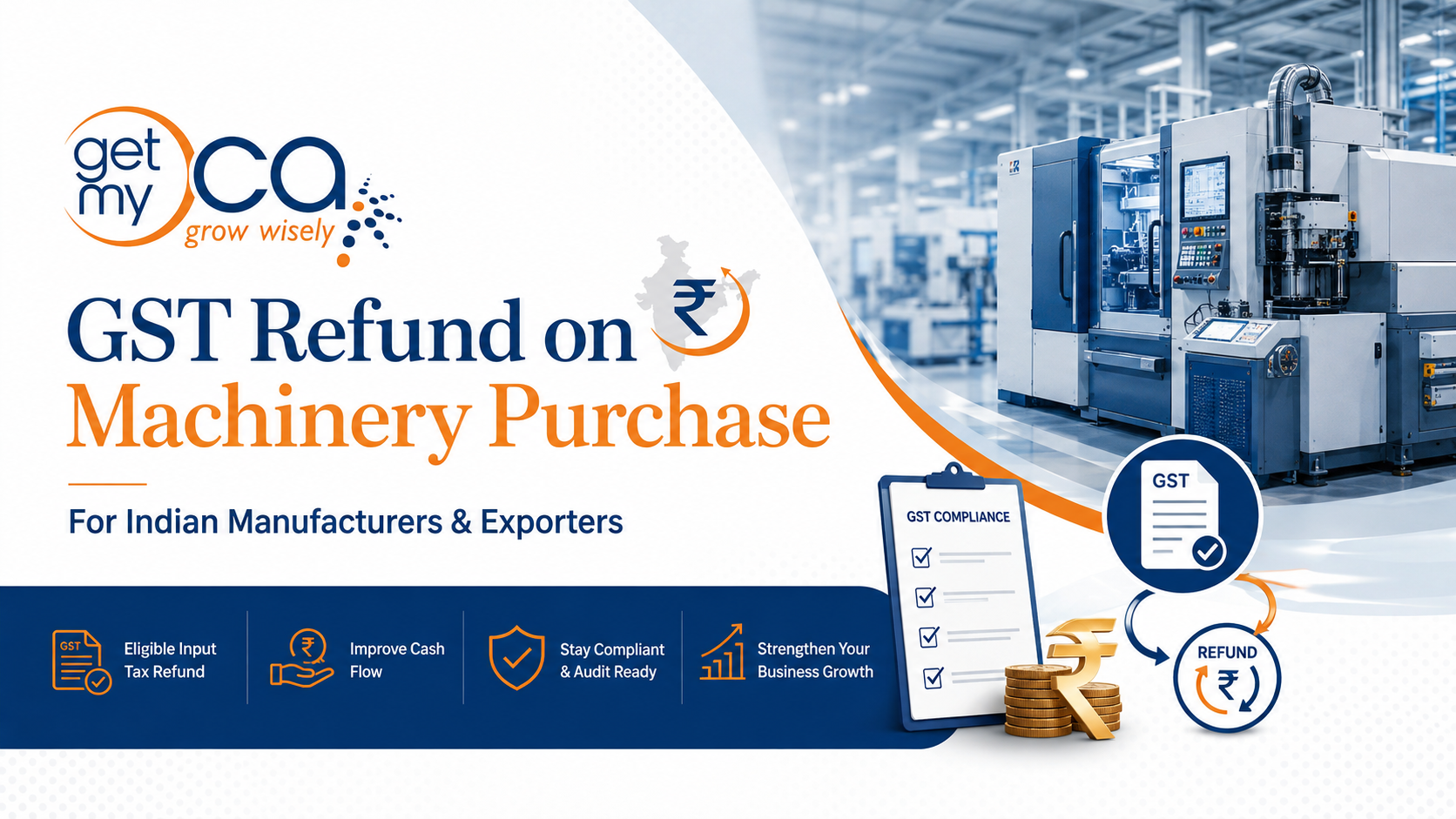
Manufacturing expansion usually requires a significant amount of money. A business may need new machinery, additional raw materials, a larger workforce, or more space to increase production.
While expansion can create new opportunities, it can also put pressure on cash flow if the financial side is not planned carefully.
Understand Where the Money Will Be Used
Before starting an expansion project, businesses should prepare a simple cost estimate.
Apart from the machinery itself, expenses may include installation, freight, electrical work, insurance, employee training, maintenance, and additional working capital.
Looking at the full project cost helps management understand how much funding will actually be required.
Review the GST Position
Manufacturing businesses often pay GST on raw materials, services, equipment, and other business inputs.
In some cases, input tax credit can accumulate depending on the nature of outward supplies and the applicable GST structure.
Understanding the GST refund process for accumulated input credit can help businesses review whether any eligible credit needs to be examined as part of their regular GST compliance.
A refund is not automatic simply because credit appears in the electronic credit ledger. Eligibility depends on the nature of the transaction, tax provisions, documentation, and the applicable refund category.
Plan Machinery Purchases Carefully
Machinery is often one of the largest expenses in an expansion project.
Export-oriented manufacturers may need to consider additional factors before importing or purchasing capital goods. Customs duty, export obligations, documentation requirements, and the timing of the purchase can all affect the overall project.
Businesses considering capital equipment for export production may find it useful to understand EPCG guidance for machinery procurement before finalising the transaction.
Reviewing the requirements early can help avoid situations where an important condition is discovered only after the machinery has already been purchased.
Keep Enough Working Capital
A business should avoid using all available cash for long-term assets.
Even after the machinery is installed, money is still required for salaries, electricity, raw materials, transportation, taxes, and normal operating expenses.
Management should estimate how much working capital will remain after the expansion and how long it may take for the new production capacity to start generating additional revenue.
Maintain Proper Documentation
Good records are especially important during a large investment.
Businesses should keep documents such as:
- Purchase orders
- Tax invoices
- Payment records
- GST returns
- Machinery quotations
- Import documents, where applicable
- Installation records
- Financing agreements
Keeping documents organised from the beginning makes future financial and compliance reviews easier.
Review the Investment Regularly
Expansion planning should not stop once the machinery is purchased.
Management should compare actual costs with the original budget and review whether production, efficiency, and revenue are improving as expected.
Regular monitoring can also help identify cash-flow issues before they become difficult to manage.
Final Thoughts
Manufacturing expansion can support long-term growth, but it should be planned with cash flow in mind.
Businesses should review the complete project cost, GST position, machinery requirements, financing, and available working capital before committing to a major investment.
Good financial planning can help ensure that expansion strengthens the business instead of creating unnecessary pressure on daily operations.

 English
 Arabic
 French
 Spanish
 Portuguese
 Turkish
 Dutch
Dutch
 Italiano
 Russian
 Romaian
 Portuguese (Brazil)
 Greek
Greek
 Bengali