


Material and Design Thinking for Modern Flat Connector Systems
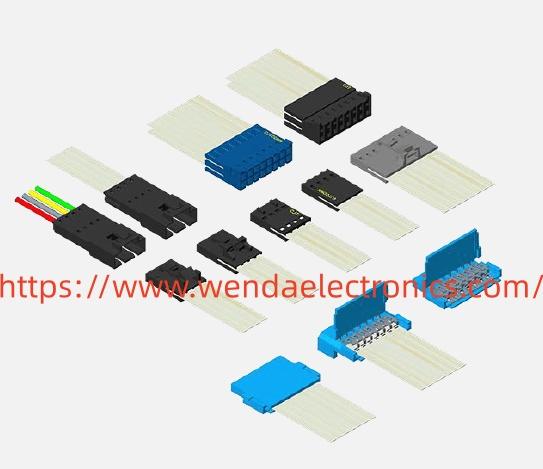
Modern electronic equipment requires connection components that can fit neatly into increasingly organized product structures, and selecting a Flat Connector should involve more than considering its basic connection role. Material selection, purchasing priorities, functional engineering, manufacturing technology, user experience, maintenance, and appearance can all influence how effectively a connector works within appliances, control systems, automotive electronics, communication equipment, and other compact devices.
Material selection provides the starting point for connector development. A flat connector may combine conductive terminals, insulating housings, retention elements, mounting sections, and protective features. Copper-based conductive materials can support electrical contact, while engineering plastics can provide insulation and structural support. Designers can also consider corrosion behavior, surface condition, mechanical stability, and processing compatibility when coordinating the different parts.
Terminal material and surface treatment deserve particular attention because the contact area plays a direct role in the connection. Engineers can examine how conductive elements interact with mating surfaces during installation and service. Suitable surface treatment can also contribute to contact consistency, protection, and appearance. These choices should be considered alongside stamping, forming, plating, and assembly methods.
Housing development follows a different set of priorities. The insulating structure needs to separate conductive areas while keeping terminals properly positioned. Designers can consider guiding features, retention sections, cable-entry areas, mounting points, and protective walls as part of one coordinated form. A carefully arranged housing can make installation clearer while supporting a more orderly internal assembly.
Purchasing decisions should begin with the intended application. Flat-style connection components may be used in household appliances, lighting products, industrial controls, consumer electronics, automotive modules, communication equipment, and power-related assemblies. Buyers can consider connection direction, available space, cable organization, mounting conditions, service access, surrounding components, and future product development before selecting a suitable connector concept.
System architecture should also influence procurement. A connector may need to fit between a cable and circuit board, connect internal modules, or support a junction within an enclosure. Its usefulness depends partly on the surrounding design. Reviewing the complete routing and assembly arrangement can help buyers identify potential interference or access problems before production begins.
Supplier evaluation should include product-development capability as well as manufacturing experience. Businesses can review material knowledge, stamping expertise, molding capability, tooling development, surface treatment, inspection procedures, engineering communication, customization support, and production coordination. Zhejiang Wenda Electronics Co., Ltd. applies practical manufacturing experience to electronic connector development while considering different product structures and customer requirements.
Functional engineering focuses on how the connector behaves during installation and operation. Designers can coordinate terminal positioning, housing geometry, retention structures, mounting interfaces, cable connections, and mating areas as one system. This approach can help create a clearer connection path and make the component easier to integrate into the finished device.
Mating design can strongly influence practical use. Installers and technicians benefit from features that help them recognize orientation and engagement. Guiding structures can support more consistent positioning, while understandable retention concepts can make the connection easier to manage. A practical release arrangement can also support service work when the connector needs to be disconnected or replaced.
Mechanical support around the cable interface is another consideration. Wires may experience movement during assembly, maintenance, or normal equipment operation. Designers can therefore review cable-entry geometry, support areas, routing direction, and protection around the terminal interface. Coordinating these features can help the connector fit more naturally into the wider cable-management structure.
Manufacturing technology connects engineering ideas with finished products. Digital modeling allows teams to review terminal geometry, housing details, mounting relationships, mating areas, and cable paths before tooling begins. Stamping, forming, plating, injection molding, assembly, inspection, and finishing can then be coordinated around the approved design.
Production feedback provides useful information for future refinement. Stamping teams can identify opportunities to improve terminal handling, while molding personnel can offer insight into housing structure. Assembly workers may observe insertion or retention concerns, and inspection teams can highlight surface or alignment variations. These observations can guide practical improvements in later projects.
User experience extends across the entire product lifecycle. Factory workers need components that are easy to identify and organize, installers need clear connection relationships, and maintenance technicians need accessible service areas. Thoughtful physical design can reduce unnecessary handling and make electronic assembly more manageable.
Maintenance should also be considered early. Electronic products may encounter dust, moisture, vibration, cleaning activity, or repeated servicing depending on the application. Accessible connection areas, protective housings, practical release features, and organized cable exits can support easier inspection and maintenance.
Packaging and storage influence product management before installation. Connectors may pass through manufacturers, warehouses, distributors, and assembly lines before reaching the final device. Organized packaging, clear identification, protective separation, and logical grouping can help preserve component condition and simplify inventory handling.
Design and appearance contribute to the visual organization of modern electronics. Housing contours, surface texture, connector shape, visible terminals, color, and mounting structure can influence how the component fits within an appliance, control cabinet, automotive module, or consumer product. A clean design can support both appearance and easier recognition during assembly.
Customization provides flexibility for electronics manufacturers, appliance brands, automotive suppliers, distributors, and private-label businesses. Projects may require different housing forms, terminal layouts, mounting concepts, cable interfaces, retention structures, surface treatments, or packaging approaches. Flexible development allows these requirements to be considered without separating design, tooling, production, and quality management.
Sustainability can also influence connector development through efficient material usage, reduced stamping and molding waste, durable construction, repair-friendly structures, reusable packaging, and longer product lifecycles. These considerations can be integrated into product planning alongside assembly, maintenance, and manufacturing efficiency.
Quality management connects material preparation, stamping, forming, plating, molding, assembly, inspection, packaging, and customer feedback. Input from engineers, production teams, installers, service technicians, distributors, and product developers can reveal opportunities to improve connection handling, alignment, installation, maintenance, and overall product organization.
Zhejiang Wenda Electronics Co., Ltd. continues developing electronic connector solutions through practical manufacturing experience, coordinated engineering, flexible product development, and quality-focused processes. Its approach considers conductive materials, insulating structures, terminal interaction, mating, cable routing, mounting, manufacturing technology, service access, customization, packaging, and visual organization throughout different electronic applications. More information about its products and manufacturing capabilities is available at https://www.wendaelectronics.com.

 English
 Arabic
 French
 Portuguese
 Deutsch
 Turkish
 Dutch
Dutch
 Italiano
 Russian
 Romaian
 Portuguese (Brazil)
 Greek
Greek
 Bengali