


Over the Counter Sleeping Aid Without Side Effects | Safe & Natural Sleep Solutions
Over-the-Counter Sleeping Aid Without Side Effects: A Complete Guide for Safer, Natural Rest
Sleep is essential for physical health, mental clarity, and emotional balance, yet millions of adults struggle to fall asleep or stay asleep through the night. Many people turn to medications, but concerns about grogginess, dependency, and long-term health risks often lead them to search for an over-the-counter sleeping aid without side effects. The good news is that there are safer, gentler options that support natural sleep without disrupting your body’s rhythm.
At the heart of better sleep is understanding how over-the-counter sleep aids work, which ingredients are considered low-risk, and how lifestyle habits influence their effectiveness. This guide from safehealth247 explores evidence-based, side-effect–free approaches to help you sleep better while protecting your health.
Understanding Over-the-Counter Sleep Aids
Over-the-counter sleep aids are non-prescription products designed to help people fall asleep faster, stay asleep longer, or improve overall sleep quality. Unlike prescription sedatives, they are generally milder and widely available. However, not all OTC sleep aids are created equal. Some contain antihistamines that may cause next-day drowsiness, dry mouth, or brain fog, while others rely on natural compounds that support the body’s sleep cycle.
If your goal is to find a sleeping aid without side effects, the focus should be on non-habit-forming, natural, and hormone-supportive ingredients rather than strong sedating chemicals.
Why Many OTC Sleep Medications Cause Side Effects
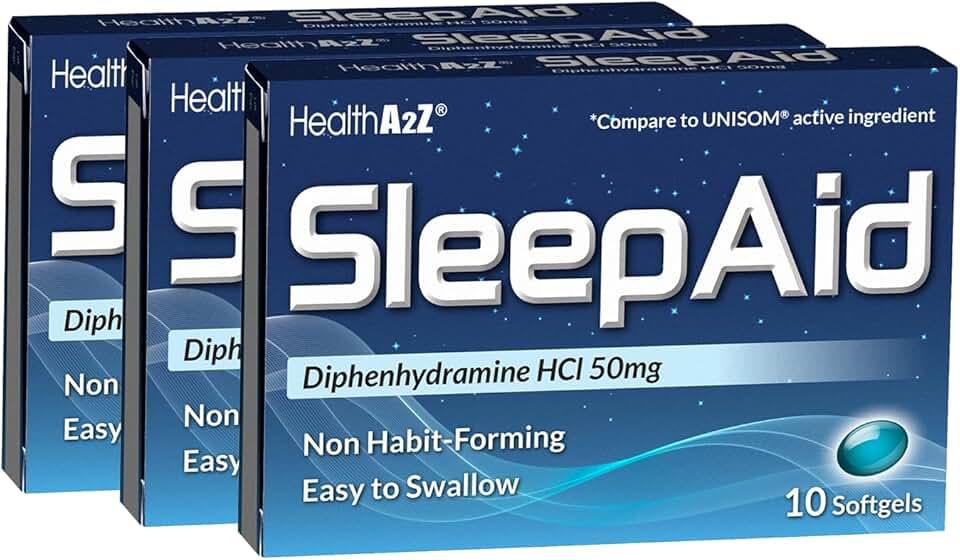
Traditional over-the-counter sleep medications often use diphenhydramine or doxylamine, which are antihistamines. These can make you feel sleepy, but they do not produce restorative sleep. Instead, they may interfere with REM cycles and lead to grogginess the next day.
Long-term use of these products can also result in tolerance, meaning they become less effective over time. For individuals looking for a safer solution, avoiding antihistamine-based sleep aids is the first step toward minimizing unwanted effects.

Natural Sleep Aids That Support the Body’s Rhythm
A truly side–effect–free sleep aid works with your body rather than forcing sedation. Natural compounds such as melatonin, magnesium, valerian root, and L-theanine are widely used because they support relaxation and healthy sleep cycles.
Melatonin is a hormone your body already produces. When taken in low doses, it helps regulate the sleep–wake cycle without causing dependency. Magnesium plays a key role in calming the nervous system and reducing nighttime restlessness. Valerian root has been traditionally used for promoting relaxation, while L-theanine supports stress reduction and mental calmness.
These ingredients are generally well-tolerated when used correctly and are considered among the safest over-the-counter options for improving sleep quality.
The Role of Lifestyle in Side-Effect–Free Sleep
Even the best natural sleep aid will not work effectively if sleep habits are poor. A consistent bedtime, reduced screen exposure before sleep, and a cool, dark sleeping environment significantly enhance the effectiveness of OTC sleep supplements.
Caffeine intake late in the day, irregular sleep schedules, and high stress levels are major contributors to insomnia. When these factors are addressed, many people find they need only mild, natural support rather than strong medication.
How Long Does It Take for Natural Sleep Aids to Work
Unlike strong sedatives, natural sleep aids do not always produce immediate results. Some, like melatonin, may work within 30 to 60 minutes, while magnesium and herbal supplements may require consistent use over several days to show full benefits.
This gradual effect is actually a positive sign because it indicates that the supplement is supporting your body’s natural sleep process instead of overriding it.
Are Over-the-Counter Sleep Aids Safe for Long-Term Use
One of the biggest advantages of natural OTC sleep aids is their suitability for longer use when taken responsibly. Since they do not alter brain chemistry in the same way as prescription sedatives, they carry a lower risk of dependency.
However, long-term use should still be paired with healthy sleep habits. The ultimate goal should be to restore natural sleep patterns so that reliance on any supplement becomes minimal.
Who Can Benefit Most from Side-Effect–Free Sleep Aids
Adults experiencing mild insomnia, stress-related sleep disturbances, jet lag, or irregular sleep schedules are the most likely to benefit from gentle, over-the-counter sleep support. These individuals often need help resetting their circadian rhythm rather than heavy sedation.
People who are sensitive to medications, older adults, and those concerned about next-day drowsiness also tend to prefer natural sleep aids because of their mild and supportive action.
When to Avoid Self-Medicating for Sleep
While OTC sleep aids are helpful for many people, persistent insomnia lasting more than a few weeks may indicate an underlying medical or psychological condition. In such cases, professional evaluation is important.
Sleep apnea, chronic anxiety, depression, and hormonal imbalances can all disrupt sleep and require targeted treatment rather than supplements alone.
Building a Night Routine That Enhances Sleep Aid Effectiveness
A calming bedtime routine dramatically improves the effectiveness of any sleep aid. Activities such as reading, gentle stretching, deep breathing, or meditation signal the brain that it is time to rest.
Avoiding bright screens at least one hour before bed helps maintain natural melatonin production. Keeping the bedroom quiet, dark, and slightly cool further supports uninterrupted sleep.
When these habits are combined with a gentle OTC sleep aid, the results are often significantly better than relying on supplements alone.
Final Thoughts
Achieving restful sleep does not require strong medication or risky sedatives. The safest over-the-counter sleep aids are those that work with your body’s natural rhythms, support relaxation, and promote long-term sleep health without dependency or next-day grogginess.
Natural ingredients such as melatonin, magnesium, valerian root, and L-theanine offer gentle yet effective support when combined with consistent sleep habits and a calming bedtime routine. The key is to focus on restoring balance rather than forcing sleep.
By choosing high-quality, non-habit-forming supplements and improving daily sleep hygiene, most adults can experience deeper, more restorative sleep without unwanted side effects. Long-term sleep health is not about quick fixes but about building sustainable habits and using safe, supportive tools when needed.

 English
 Arabic
 French
 Spanish
 Portuguese
 Deutsch
 Turkish
 Dutch
Dutch
 Italiano
 Russian
 Romaian
 Portuguese (Brazil)
 Bengali