


How Do I Know If I Need a Mechanic or a Simple Maintenance Service?
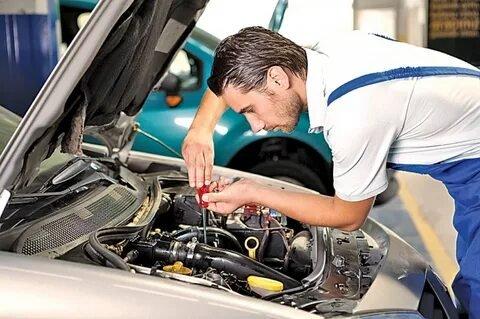
Knowing whether your vehicle needs a mechanic or routine maintenance can save you time and prevent unnecessary expenses. Regular services handle predictable needs such as oil changes, fluid checks, tire rotations, and inspections, while mechanical repairs address symptoms, component failures, and problems affecting vehicle performance or safety.
What Counts as Simple Vehicle Maintenance?
Simple maintenance involves scheduled services designed to keep your vehicle operating properly. Common examples include oil changes, air filter replacement, tire rotation, fluid checks, battery testing, and routine inspections. These services are usually based on mileage, time intervals, driving conditions, or your vehicle manufacturer’s recommendations.
Preventive maintenance is important because small issues can become larger mechanical problems when ignored. For example, low fluid levels, worn filters, underinflated tires, or overdue oil service can affect engine performance, fuel economy, braking, and overall reliability. Regular servicing helps identify concerns before they become major repairs.
When Should You Schedule Routine Maintenance?
Your owner’s manual should be the primary reference for maintenance intervals because service requirements vary by vehicle. Mileage, age, driving habits, weather, and road conditions can also affect maintenance needs. Calgary drivers may experience additional demands from winter temperatures, traffic, and changing road conditions.
If your vehicle is driving normally and there are no unusual symptoms, routine maintenance is generally the appropriate starting point. A scheduled inspection can also identify developing wear in components such as brakes, tires, suspension parts, belts, hoses, and fluid systems before they cause noticeable performance problems.
When Do You Actually Need a Mechanic?
A mechanic is usually needed when your vehicle develops a specific symptom that requires diagnosis or repair. Problems such as unusual engine noises, repeated stalling, steering difficulties, transmission issues, overheating, fluid leaks, or persistent warning lights should not be treated as ordinary maintenance.
Mechanical problems often require diagnostic testing because the visible symptom may not reveal the actual cause. For example, poor acceleration could result from ignition, fuel, airflow, exhaust, or transmission problems. A technician can inspect and test relevant systems rather than simply replacing parts based on assumptions.
Warning Signs That Need Professional Attention
Certain symptoms indicate that your vehicle may have a mechanical issue rather than simply being due for scheduled service. Pay attention to changes in how your vehicle starts, accelerates, brakes, steers, shifts gears, or handles different road conditions.
Signs You Should Consider a Mechanic
- Check engine or other warning lights remain illuminated
- Engine produces knocking, ticking, grinding, or unusual sounds
- Vehicle shakes, pulls, or vibrates while driving
- Brakes feel soft or stopping distances increase
- Transmission slips, jerks, or struggles to shift
- Engine overheats or temperature rises unexpectedly
- Fluid leaks appear underneath the vehicle
- Vehicle loses noticeable power during acceleration
- Steering becomes unusually heavy or difficult
- A new problem continues after routine maintenance
Can a Warning Light Mean Simple Maintenance?
Not always. Some dashboard reminders indicate scheduled maintenance, but warning lights can also point toward underlying mechanical or electrical problems. The check engine light, for example, can be triggered by different systems, so diagnosing the stored fault code is more useful than assuming the vehicle only needs routine servicing.
Similarly, an oil warning light should not automatically be treated as an ordinary oil-change reminder. Low oil pressure can indicate a more serious lubrication problem. If a warning light appears alongside smoke, overheating, unusual noises, or severe performance changes, professional inspection should be arranged promptly.
What If Your Car Has a Minor Problem?
Minor symptoms are still worth monitoring because they can provide early clues about developing problems. A small vibration, unusual smell, occasional hesitation, or slight fluid loss may not immediately mean a major repair is required, but identifying the cause early can help prevent further damage.
A technician can distinguish between normal maintenance requirements and components that require repair. For example, worn tires may simply need replacement, while uneven tire wear could indicate an alignment or suspension issue. The correct service depends on what the inspection reveals rather than the symptom alone.
Maintenance or Repair: How Can You Tell?
A useful distinction is whether your vehicle is following its normal maintenance schedule or showing a new change in behavior. Scheduled oil service, tire rotation, filter replacement, and fluid checks are maintenance tasks. New noises, leaks, warning lights, or performance problems generally require diagnosis.
When you are uncertain, an inspection can provide clarity before you approve additional work. A qualified automotive technician can assess the vehicle, identify the source of the concern, explain whether it is maintenance or repair, and provide an estimate before work begins.
Where Can Calgary Drivers Get Help?
For drivers searching for a mechanic near me calgary, choosing an automotive shop that handles both preventative maintenance and mechanical diagnostics can simplify vehicle care. Heritage AutoPro and Tire provides services including maintenance, inspections, diagnostics, repairs, brake service, and tire care for Calgary drivers.
Keep Maintenance and Repairs on Schedule
The best approach is not to wait until your vehicle develops a serious problem. Follow the manufacturer’s maintenance schedule and pay attention to changes in performance, sounds, warning lights, fluid levels, and handling. Addressing unusual symptoms early can help protect important vehicle systems and reduce unexpected repair costs.

 Arabic
 French
 Spanish
 Portuguese
 Deutsch
 Turkish
 Dutch
Dutch
 Italiano
 Russian
 Romaian
 Portuguese (Brazil)
 Greek
Greek
 Bengali