


Stop Chimney Leaks Before They Spread: A Guide to Flashing and Crown Maintenance
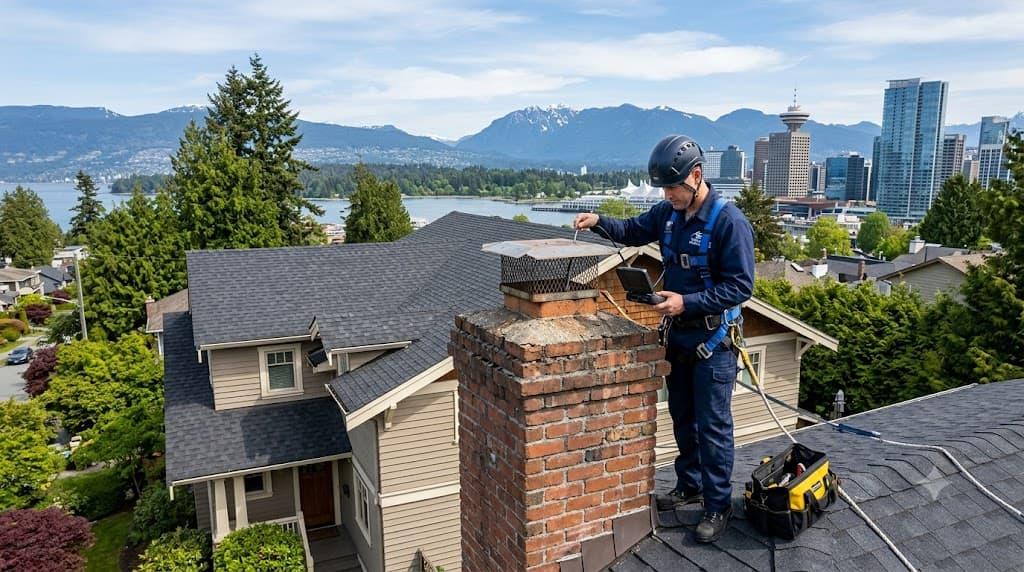
A chimney adds both function and character to a home, but its position above the roofline leaves it exposed to rain, wind, moisture, and changing temperatures throughout the year. Over time, these conditions can affect the chimney's masonry and protective components. Two areas that deserve particular attention are the flashing around the base of the chimney and the protective surface at its top.
When either component becomes damaged, water can find a pathway into the structure. Regular maintenance and timely chimney flashing repair can help reduce the risk of moisture intrusion, while maintaining a sound chimney crown helps protect the masonry from rainfall from above.
Understanding the Purpose of Chimney Flashing
Chimney flashing is installed at the point where the chimney intersects with the roof. This area is naturally vulnerable because rainwater runs down the roof and can collect around the chimney base.
Properly installed flashing creates a barrier that helps direct water away from the connection. It works together with roofing materials and sealants to keep moisture outside the home.
However, flashing can deteriorate over time. Metal may corrode, sections can become loose, and sealants can crack or lose their effectiveness. Movement caused by weather or building settlement can also affect the connection between flashing and masonry.
When these problems develop, water may begin entering beneath the roofing materials.
Signs You May Need Chimney Flashing Repair
Flashing problems are not always immediately visible. Sometimes the first indication appears inside the home rather than on the roof.
Homeowners may notice:
- Water stains on ceilings near the chimney
- Damp spots in the attic
- Peeling paint or damaged drywall
- Moisture after heavy rainfall
- Rusted or corroded flashing
- Gaps between flashing and masonry
- Deteriorated sealant around the chimney
- Damaged roofing materials near the chimney
These symptoms can have different causes, so it is important not to assume that flashing is automatically responsible for every leak.
A professional assessment can help identify the actual source of moisture before repair work begins.
What Is a Chimney Crown?
The chimney crown is the protective structure located at the top of a masonry chimney. It helps shield the masonry from direct rainfall and is typically designed to encourage water to flow away from the chimney.
A properly maintained crown can play an important role in protecting the bricks and mortar below it. However, like other exterior components, it can deteriorate over time.
Cracks, surface damage, poor drainage, or aging materials can reduce its ability to protect the chimney from moisture.
Common Chimney Crown Problems
A damaged chimney crown can develop several noticeable warning signs. These may include:
- Hairline or larger cracks
- Chipped concrete
- Crumbling edges
- Uneven surfaces
- Water staining
- Deterioration around the chimney opening
- Damaged masonry beneath the crown
Even small cracks can become pathways for water. As moisture enters the crown, it can reach the masonry below and contribute to deterioration.
Regular inspections can help identify these problems before they become more extensive.
Why Flashing and the Crown Both Matter
The chimney crown and flashing protect different areas of the chimney, but they work toward the same goal: reducing unwanted water entry.
The crown helps protect the top of the chimney, while flashing helps protect the roof-to-chimney connection. If either component fails, water may find a route into the structure.
This is why chimney leaks can sometimes be difficult to diagnose. Water can enter at one location and travel through masonry or roofing materials before becoming visible inside the home.
A thorough inspection should therefore consider multiple possible sources rather than focusing on the most obvious symptom.
The Importance of Timely Repairs
Homeowners may be tempted to postpone repairs when a chimney problem appears minor. However, moisture-related deterioration can become more complicated over time.
A small flashing gap can allow repeated rainfall into the roof system. Similarly, a crack in the chimney crown can expose underlying masonry to continued moisture.
Professional chimney flashing repair can address damaged or deteriorated flashing and help restore the protective connection between the chimney and roof. Depending on the condition, repairs may involve securing components, replacing damaged sections, improving seals, or addressing related roofing issues.
The appropriate solution should always depend on the condition of the existing system.
Don't Cover Up the Underlying Problem
Temporary patches and surface sealants may sometimes appear to solve a leak, but they may not address the actual source of the problem.
For example, applying sealant around visible flashing may not solve an issue caused by improperly installed flashing or deteriorated masonry. Similarly, coating a cracked chimney crown without understanding why the damage occurred may provide only limited protection.
A proper diagnosis allows repairs to focus on the underlying issue rather than simply covering the visible symptom.
Protecting Your Chimney Through Regular Maintenance
Homeowners can take several simple steps to monitor chimney condition. Look at the visible masonry periodically and watch for cracks, loose bricks, deteriorating mortar, and changes around the crown.
After heavy rainfall, check accessible interior areas for new water stains or dampness. If moisture appears around the chimney, arrange a professional inspection rather than waiting for the problem to become more severe.
Keeping gutters, downspouts, and surrounding roof drainage systems in good condition can also help manage the amount of water reaching vulnerable areas of the roof.
When to Call a Professional
Professional assistance is especially useful when the chimney is difficult to access, damage is extensive, or the source of a leak is unclear.
An experienced contractor can assess the flashing, chimney crown, masonry, roof materials, and other components to determine where moisture may be entering.
Once the cause has been identified, the appropriate repair can be planned. This may involve chimney flashing repair, crown maintenance, masonry work, or a combination of services.
Keep Your Chimney Ready for Every Season
Your chimney faces the elements year-round, making preventative maintenance an important part of protecting your home. Flashing and the crown are two critical areas that deserve regular attention.
A properly maintained chimney crown helps protect the upper masonry from rainfall, while timely chimney flashing repair can help prevent water from entering where the chimney meets the roof.
By watching for early warning signs, scheduling inspections, and addressing damage promptly, homeowners can reduce the risk of moisture-related deterioration and help preserve the chimney and surrounding roof structure for years to come.

 English
 Arabic
 French
 Spanish
 Portuguese
 Deutsch
 Turkish
 Dutch
Dutch
 Italiano
 Romaian
 Portuguese (Brazil)
 Greek
Greek
 Bengali