


Hair Transplant in Dubai: Side Effects and Risk Awareness
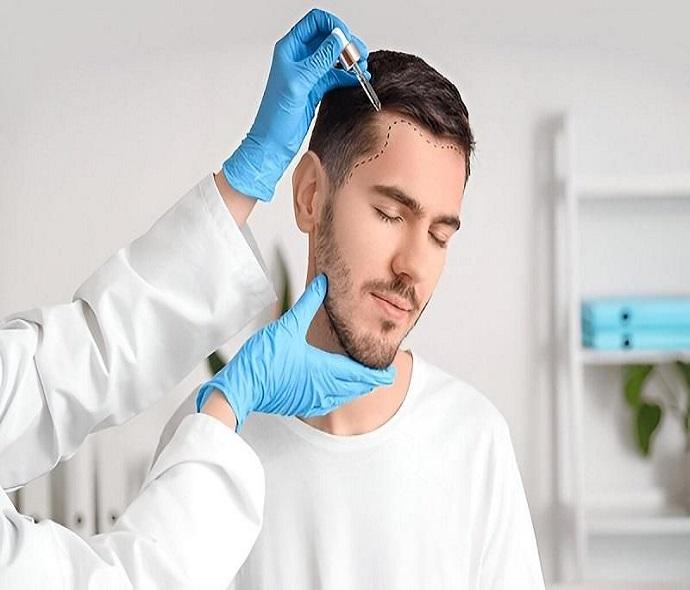
Every surgical procedure carries some degree of risk, and hair restoration is no exception. Patients considering treatment deserve a clear, honest picture of what side effects may occur, how common they are, and when to seek medical attention. This article examines the side effects and risks associated with a hair transplant in Dubai, helping readers make informed decisions based on facts rather than fear or false reassurance.
Distinguishing Side Effects From Complications
It helps to separate expected side effects from genuine complications.
Side effects are predictable, usually temporary responses to surgery—swelling, redness, tenderness, scabbing.
Complications are less common problems that may require intervention—infection, poor graft growth, significant scarring.
Understanding this distinction prevents patients from panicking over normal healing or ignoring signs that need attention.
Hair Transplant in Dubai: Common Side Effects
Most patients experience some of the following after a hair transplant in Dubai:
Swelling
Fluid may accumulate on the forehead and around the eyes, typically peaking at day two or three and resolving within a week.
Redness
The recipient area often remains pink for days to weeks. This fades gradually.
Tenderness
The scalp may feel sore or tight. Discomfort is usually manageable with standard pain relief.
Scabbing
Small crusts form around graft sites. These loosen and fall away within one to two weeks.
Numbness
Temporary reduced sensation in the donor or recipient area is common and usually improves over weeks to months.
Itching
As healing progresses, itching may occur. Scratching should be avoided.
These effects are expected and generally not cause for concern when following aftercare instructions.
Hair Transplant in Dubai: Less Common Risks
More serious issues occur infrequently but should be understood.
Infection
Signs include increasing redness, warmth, pus, or fever. Prompt treatment usually resolves it.
Poor Graft Survival
Some follicles may not grow. This can result in uneven density. Technique and handling influence survival rates.
Scarring
FUE typically leaves small dot scars; FUT leaves a linear scar. In rare cases, hypertrophic or keloid scarring develops.
Folliculitis
Inflammation of hair follicles can appear as small bumps. It is usually treatable.
Persistent Numbness or Altered Sensation
Most sensation returns, but in uncommon cases, changes may persist.
Cyst Formation
Small cysts can develop around grafts and often resolve or require minor treatment.
Factors That Increase Risk
Certain circumstances may raise the likelihood of problems:
-
Smoking
-
Uncontrolled diabetes
-
Bleeding disorders
-
Active scalp infection
-
Poor adherence to aftercare
-
Multiple procedures in a short period
-
Unrealistic graft counts that over-harvest the donor area
Disclosing full medical history helps clinicians anticipate and mitigate these risks.
Hair Transplant in Dubai: When to Contact Your Clinic
Patients should seek prompt advice if they notice:
-
Fever above 38°C (100.4°F)
-
Increasing pain after the first few days
-
Spreading redness or swelling
-
Pus or foul-smelling discharge
-
Excessive bleeding
-
Sudden significant hair loss beyond expected shedding
Early intervention typically prevents minor issues from becoming serious.
Reducing Risk Through Preparation and Aftercare
Patients can lower risk by:
-
Following pre-operative instructions precisely
-
Stopping smoking before and after surgery
-
Avoiding blood-thinning substances as advised
-
Keeping the scalp clean per clinic guidance
-
Avoiding sun exposure during healing
-
Attending follow-up appointments
-
Reporting concerns early
These measures support smoother recovery without guaranteeing specific outcomes.
Hair Transplant in Dubai: The Role of the Provider
Skill and protocol matter. A qualified clinician:
-
Screens for contraindications
-
Uses sterile technique
-
Limits graft handling time
-
Provides clear aftercare instructions
-
Offers accessible follow-up
In our clinical experience, complications are less frequent when patients are carefully selected and monitored throughout the healing period.
At Tajmeels Clinic in Dubai, risk discussions are part of every consultation, ensuring patients understand potential side effects before consenting to treatment.
Questions to Ask About Risks
Before proceeding, patients may ask:
-
What side effects are most common?
-
How are complications managed?
-
Who do I contact after hours?
-
What is the revision policy?
-
Are there factors in my health history that increase risk?
Clear answers indicate a clinic prepared to handle both routine healing and unexpected events.
Conclusion
Side effects after a hair transplant in Dubai are usually temporary and manageable, while serious complications are uncommon with proper care. Understanding both helps patients prepare appropriately and respond quickly if issues arise. If you are considering treatment, discuss your individual risk profile during consultation. Informed patients make safer decisions, and professional oversight remains essential throughout the process.
For More Details, Contact Us Through:
WhatsApp: +971 56 203 8751
Phone: +971 4 373 9000
Social Media:

 English
 French
 Spanish
 Portuguese
 Deutsch
 Turkish
 Dutch
Dutch
 Italiano
 Russian
 Romaian
 Portuguese (Brazil)
 Greek
Greek
 Bengali