


What Should You Ask During a Mole Removal Consultation?
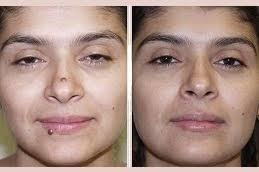
A mole removal consultation is an important step before deciding whether a mole should be removed and which approach may be appropriate. Whether a mole is raised, flat, dark, or located on a visible area such as the face, a professional assessment can help clarify your options.
If you are considering Mole Removal in Dubai, arriving at your consultation with the right questions can make the discussion more useful. It allows you to understand the procedure, potential risks, expected healing process, and aftercare requirements before making an informed decision.
Is My Mole Suitable for Removal?
One of the first questions to ask is whether the mole is suitable for removal. A clinician may examine its size, shape, color, location, and other characteristics before discussing treatment.
Not every mole needs to be removed for medical reasons. Some people choose removal because of appearance, irritation, or repeated friction from clothing or jewelry. Understanding why removal may or may not be recommended gives you a clearer picture of your situation.
What Mole Removal Method Is Appropriate?
Ask which mole removal treatment may be suitable for your particular mole. Different techniques may be considered depending on whether the mole is raised, superficial, deep, or located in a sensitive or highly visible area.
The clinician should explain:
- How the recommended technique works
- Why it may be appropriate for your mole
- Whether an alternative method is available
- What the procedure involves
- Whether the removed tissue may need further examination
Avoid choosing a method simply because it is advertised as quick or minimally invasive. The appropriate approach depends on the characteristics of the individual mole and professional assessment.
Will My Mole Be Examined Before Removal?
Ask how the mole will be assessed before treatment. A proper consultation should include a visual examination and a discussion of relevant changes or symptoms.
You can mention whether the mole has recently changed in:
- Size
- Shape
- Color
- Texture
- Border
- Bleeding or irritation
A changing or unusual mole may require additional medical evaluation before cosmetic removal is considered. This is one reason professional assessment is important rather than attempting to remove a mole at home.
Will Mole Removal Leave a Scar?
Scarring is an important question, particularly when removing a mole from the face, neck, or another visible area.
Ask about the expected appearance of the treated area after healing and whether the selected technique may leave a mark. The final result can depend on the treatment method, mole characteristics, location, individual healing response, and aftercare.
It is useful to understand that no procedure involving the skin can guarantee a completely scar-free result.
How Long Will the Healing Process Take?
Ask how long you should expect the treated area to heal. Healing time can vary depending on the removal technique and the size and location of the mole.
Your clinician can explain what is normal during recovery, such as temporary redness, tenderness, swelling, or changes in the appearance of the treated skin. You should also ask when you can return to normal activities, exercise, makeup, or skincare products.
What Aftercare Will I Need?
Good aftercare can support proper healing and help protect the treated skin. Ask for clear instructions about cleaning the area, dressing changes, skincare products, sun protection, and activities to avoid.
If the treated area is exposed to sunlight, ask specifically about sun protection after mole removal. Protecting healing skin from excessive sun exposure can be particularly important for minimizing unwanted pigmentation changes.
Are There Any Risks or Side Effects?
Every medical or aesthetic procedure can involve potential risks. Ask the clinician to explain the possible side effects associated with the recommended mole removal technique.
Depending on the procedure, these may include temporary redness, swelling, discomfort, infection, pigmentation changes, or scarring. Your individual risk profile may differ, so discussing your medical history and skin characteristics is important.
You should also ask what symptoms would require you to contact the clinic after treatment.
Will the Mole Grow Back?
Another useful question is whether the mole could return after removal. Recurrence can depend on the type of mole and whether the relevant tissue was completely removed.
Ask what signs you should watch for during follow-up and whether another assessment would be necessary if pigmentation or tissue appears again in the treated area.
What Follow-Up Is Required?
Before leaving the consultation, ask whether a follow-up appointment will be recommended. Follow-up can allow the clinician to assess healing and address any concerns.
You can also ask when you should contact the clinic if you notice unusual bleeding, increasing pain, significant swelling, discharge, or other unexpected changes.
Mole Removal Consultation at Tajmeels Clinic
At Tajmeels clinic , a mole removal consultation can provide an opportunity to discuss the mole's characteristics, available treatment approaches, expected healing, potential scarring, and appropriate aftercare. A personalized consultation helps ensure that treatment considerations are based on the individual's skin and the specific mole rather than using the same approach for everyone.
The consultation is also a good time to discuss concerns about visible areas, recovery, and the expected appearance of the treated skin. Patients can use this discussion to understand the procedure and make decisions based on professional guidance and realistic expectations.
Questions to Take to Your Consultation
Before your appointment, consider keeping a short checklist:
- Is my mole suitable for removal?
- What treatment method is appropriate for it?
- Why is this method recommended?
- Could the mole require further examination?
- What are the potential risks and side effects?
- Could the treatment leave a scar?
- How long will healing take?
- What aftercare will I need?
- When can I return to my normal skincare routine?
- Will I need a follow-up appointment?
Conclusion
A well-informed consultation is an essential part of professional Mole Removal in Dubai. Asking detailed questions about assessment, treatment options, safety, scarring, healing, aftercare, and follow-up can help you understand what to expect before proceeding.
Choosing professional guidance is particularly important because moles can vary significantly in appearance and characteristics. A consultation at Tajmeels Clinic can help patients discuss their concerns, understand suitable options, and establish realistic expectations for the treatment and recovery process.
More Information
Tajmeels Clinic Dubai
WhatsApp: +971 56 203 8751
Phone: tel:+971 43739000
Social Media:

 English
 Arabic
 French
 Spanish
 Deutsch
 Turkish
 Dutch
Dutch
 Italiano
 Russian
 Romaian
 Portuguese (Brazil)
 Greek
Greek
 Bengali