


Scalp Micropigmentation in Dubai for Scalp Scar Camouflage
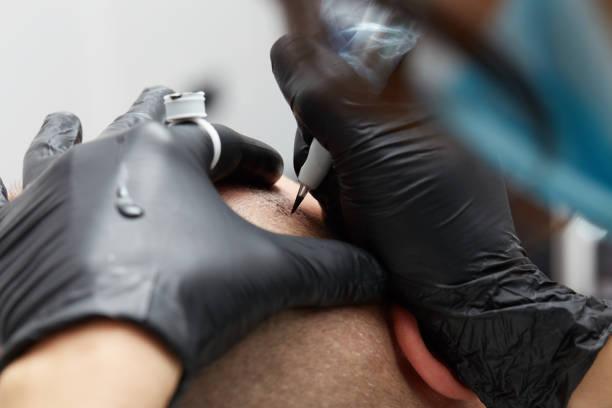
Scalp Micropigmentation in Dubai can reduce the visual contrast of selected scalp scars by placing carefully controlled follicle-style pigment across and around the affected area. The technique does not remove scar tissue or restore follicles, but it can make a scar less conspicuous by improving the relationship between the scar and surrounding scalp.
Why Scalp Scars Can Remain Noticeable
Scalp scars can differ significantly in color, texture, thickness and follicular density. A scar may appear lighter than the surrounding skin, lack hair growth, or reflect light differently because its surface structure has changed.
These differences can become particularly visible with short hairstyles. A patient may therefore seek camouflage even when the underlying scar is medically healed and no longer symptomatic.
Scar Tissue Is Different From Normal Scalp
Normal scalp contains follicles, sebaceous structures and a characteristic surface texture. Scar tissue may have reduced or absent follicular structures and can respond differently to pigment.
This anatomical difference means scar camouflage requires more than simply filling the scar with pigment. The practitioner must assess how the scar interacts with surrounding skin and determine whether the tissue is suitable for treatment.
Scar Maturity Matters
Fresh or actively changing scars should generally be assessed before cosmetic pigmentation is considered. Mature, stable tissue provides a more predictable foundation for treatment planning.
The appearance and behavior of the scar are therefore relevant during consultation. A practitioner may defer treatment when the tissue requires additional healing or medical evaluation.
Scalp Micropigmentation in Dubai for Different Scar Patterns
SMP can be considered for selected scars associated with previous hair procedures, trauma or other scalp injuries. The appropriate technique varies according to scar width, location, tissue quality and the density of surrounding follicles.
Tajmeels currently describes scalp micropigmentation as a cosmetic approach that can cover scalp scars while recreating the visual appearance of natural follicles.
Linear Scars
A narrow linear scar can create a visible interruption in an otherwise consistent follicular pattern. This is particularly noticeable when the surrounding hair is kept short.
Rather than creating a continuous dark line over the scar, pigmentation can be distributed in a way that visually reconnects the surrounding follicular pattern. The density should remain compatible with the adjacent scalp.
Wider Scar Areas
A broader scar may require more extensive camouflage planning. The practitioner must evaluate whether the scar surface can accept pigment consistently and whether surrounding hair provides enough visual reference for blending.
A wider treatment zone does not necessarily mean heavier pigmentation. Excessive saturation can make the scarred region appear darker than the surrounding scalp.
Irregular or Textured Scars
Some scars have uneven surfaces, depressions or raised sections. Texture can influence how light reflects from the area even after pigmentation has reduced color contrast.
SMP primarily addresses visual pigmentation and follicular contrast. It should not be presented as a method for physically flattening, filling or restructuring scar tissue.
How Scar Camouflage Is Technically Planned
The first step is evaluation of the scar itself rather than immediate pigment selection. The practitioner examines the tissue, surrounding follicles, skin tone and the degree of contrast between the scar and neighboring scalp.
The pigment is then placed using a fine-needling device to create follicle-like points. Current Tajmeels information describes SMP as using a handheld device to introduce medical-grade pigment into the scalp and reproduce the appearance of natural follicles.
Density Is Adjusted Around the Scar
The scarred area may not require the same dot concentration as surrounding scalp. A skilled design can use graduated density to make the transition less apparent.
This prevents the common mistake of treating the scar as an isolated block. The surrounding follicular environment is part of the camouflage strategy.
Pigment Depth Requires Control
Pigment must be introduced at an appropriate depth within the scalp. Excessively aggressive placement can affect how pigment heals and may increase the likelihood of an undesirable visual result.
Fine control is particularly important over scar tissue because its structure can differ from normal skin. Treatment parameters should therefore be individualized rather than applied uniformly across the entire scalp.
Evaluating Scars After Hair Restoration
Scars from previous hair restoration procedures are a frequent reason patients investigate scalp camouflage. Their appearance can become more noticeable when a person switches to a shorter haircut.
The type and condition of the scar determine the treatment approach. A consultation should establish whether the tissue is stable and whether the surrounding hair pattern allows effective visual blending.
Post-Surgical Scar Assessment
A scar should be examined for width, pigmentation, texture and follicular interruption. The clinician can then determine how much camouflage may be realistically achievable.
The goal is not necessarily to make the scar invisible under every lighting condition. A more appropriate objective is often to reduce the contrast enough that it becomes less noticeable during normal viewing.
Combining Scar Camouflage With Existing Hair
When follicles remain around the scar, SMP can be designed to integrate with their existing pattern. The practitioner may vary dot size and spacing to create continuity between natural hair and the treated region.
This approach is particularly relevant for patients who want to maintain a short hairstyle without relying on longer hair to conceal the scar.
Skin Tone and Hair Contrast
Pigment selection should account for both scalp tone and the appearance of the surrounding hair. Using an excessively dark pigment can create more contrast rather than less.
The final visual effect depends on how the pigment interacts with the patient's natural complexion and follicular density. A customized approach is therefore preferable to choosing a pigment solely according to hair color.
Managing Color Transitions
The transition from untreated scalp to scarred tissue should be gradual where appropriate. Sudden changes in pigment concentration can make the treatment zone easier to identify.
Controlled spacing allows the pigment to visually merge with surrounding follicles rather than producing an obvious cosmetic boundary.
Areas of the Scalp That May Require Different Planning
Scar camouflage is influenced by location. A scar near the frontal hairline has different visual requirements from one hidden within the crown or posterior scalp.
The practitioner may evaluate:
- Scar position
- Scar dimensions
- Tissue texture
- Existing follicular density
- Hair-growth direction
- Skin tone
- Hair color
- Preferred haircut length
- Stability of the scar
- Previous scalp procedures
This information helps establish whether pigmentation is appropriate and how the treatment should be structured.
Dubai-Specific Considerations for Treated Scalp Scars
Dubai's strong sunlight can make differences in scalp pigmentation more apparent, particularly when the head is exposed with a short haircut. UV protection is therefore relevant to the long-term appearance of a treated scalp.
Patients also move frequently between hot outdoor conditions and heavily air-conditioned indoor spaces. Following individualized scalp-care instructions can help protect the treated area during the healing phase.
Those researching broader hair restoration options in Dubai can also consider how scar camouflage fits into a wider treatment plan rather than viewing it as a substitute for follicular restoration.
When SMP May Not Be Appropriate for a Scar
Not every scar should be immediately treated with pigmentation. Active inflammation, unstable tissue, unresolved healing or certain skin conditions may require medical assessment before cosmetic treatment.
A consultation can also establish whether the patient's expectations are realistic. SMP changes the color and visual pattern of the scalp; it does not regenerate follicles or eliminate the physical characteristics of scar tissue.
Understanding the Difference Between Camouflage and Restoration
Scar camouflage reduces visual contrast. Hair transplantation, when clinically appropriate, introduces viable follicles into a selected recipient area.
These approaches therefore solve different problems. In some cases, a patient may discuss both options depending on the scar's characteristics, donor availability and desired hairstyle.
Treatment Sessions and Follow-Up
Scar areas can require more than one SMP session because pigment density and healing need to be assessed progressively. Tajmeels currently lists scar treatment among the SMP applications that may involve multiple sessions, depending on the individual area and condition.
Follow-up allows the practitioner to evaluate how the pigment settled and whether additional refinement is needed. This staged approach can be particularly useful when scar tissue accepts pigment differently from normal scalp.
Aftercare Following Scalp Scar Camouflage
The treated area should be protected during the initial healing period. Patients may be advised to avoid unnecessary touching, rubbing, excessive moisture, direct sun exposure and other activities according to their practitioner's specific instructions.
Temporary redness, tenderness, itching or mild scabbing can occur after SMP. Proper aftercare supports normal healing and helps reduce avoidable pigment disruption.
What a Professional Scar Camouflage Consultation Should Cover
A useful consultation should go beyond deciding whether the scar can be pigmented. It should establish what degree of camouflage is realistic and how the result will interact with the patient's preferred haircut.
The assessment should cover scar maturity, tissue quality, follicular surroundings, pigment selection, treatment boundaries and future maintenance. This creates a more predictable pathway than applying a standardized density across every scar.
Strategic Investment in Scalp Appearance
Visible scalp scars can be difficult to conceal when hair is worn short, but cosmetic camouflage can offer a way to reduce their visual contrast without surgically altering the scar itself. If you want to determine whether your scar, scalp condition and hairstyle are suitable for SMP, book a personalized consultation with Tajmeels Clinic to discuss an individualized camouflage plan.

 English
 French
 Spanish
 Portuguese
 Deutsch
 Turkish
 Dutch
Dutch
 Italiano
 Russian
 Romaian
 Portuguese (Brazil)
 Greek
Greek
 Bengali