


Understanding Dry Van Trucking Services for Reliable Freight Transportation
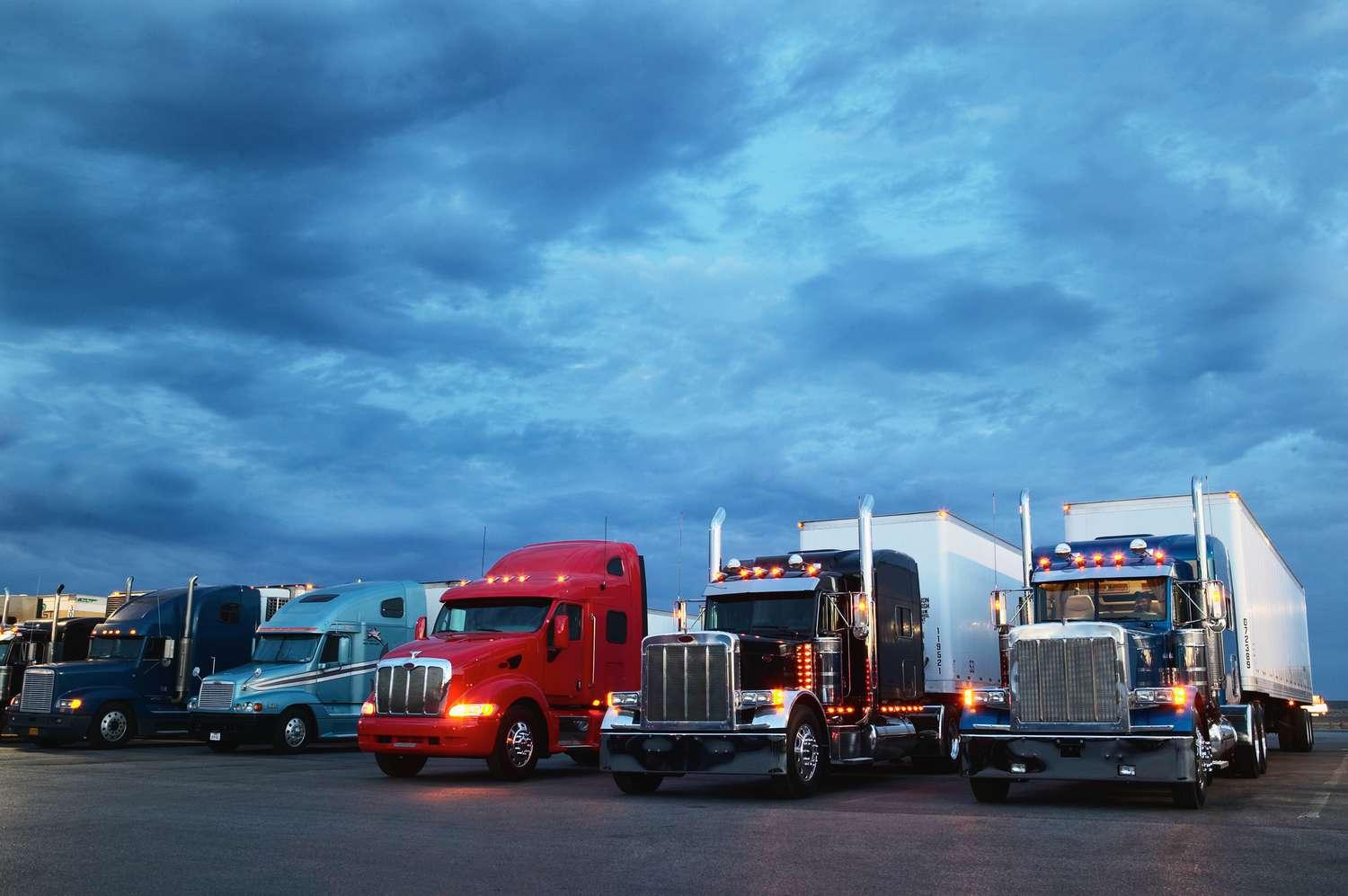
Moving freight safely and efficiently is an essential part of modern supply chains. From consumer products and packaged goods to building materials, manufactured products, and retail inventory, businesses need transportation solutions that protect their shipments while keeping deliveries on schedule. For many types of general freight, enclosed trailers provide a practical and versatile option.
This is where dry van trucking services play an important role. Dry van trailers are enclosed, weather-protected trailers commonly used to transport dry and non-perishable goods. They are among the most widely used equipment types in the trucking industry because they can accommodate a broad range of freight without requiring specialized temperature control.
For businesses shipping within Canada, across provinces, or between Canada and the United States, choosing the right transportation provider can make a significant difference in reliability, cost management, and supply chain performance.
What Is Dry Van Trucking?
Dry van trucking involves transporting freight in an enclosed trailer that protects cargo from outdoor weather and road conditions.
Unlike flatbed trailers, which leave freight exposed during transportation, dry vans provide an enclosed environment. They are generally used for cargo that does not require refrigeration or specialized temperature control.
Common examples of dry van freight include:
-
Consumer products
-
Retail merchandise
-
Packaged foods
-
Furniture
-
Electronics
-
Automotive parts
-
Paper products
-
Packaging materials
-
Building supplies
-
Manufactured goods
-
E-commerce products
-
General commercial freight
Because dry vans can accommodate such a broad range of commodities, they are often considered one of the most flexible transportation options for standard freight.
Why Businesses Choose Dry Van Transportation
One of the primary advantages of dry van transportation is versatility. Businesses do not need specialized equipment for many types of everyday freight.
Enclosed trailers can protect shipments from rain, snow, road debris, and other external conditions during transportation. This is especially valuable when goods are moving long distances or crossing regions with changing weather.
Dry vans can also support different shipment sizes. Depending on the carrier and transportation network, businesses may be able to choose between Full Truckload and Less-Than-Truckload services.
This flexibility allows companies to select transportation based on shipment volume, delivery requirements, and budget.
Full Truckload vs. Less-Than-Truckload Dry Van Services
Understanding the difference between FTL and LTL is important when selecting transportation.
Full Truckload
Full Truckload, commonly called FTL, involves dedicating an entire trailer to one shipment or customer.
FTL can be useful when:
-
The shipment is large enough to require most of a trailer.
-
The cargo needs dedicated transportation.
-
Faster transit is important.
-
The shipper wants fewer handling points.
-
A consistent lane requires dedicated capacity.
Because the trailer is dedicated to one load, FTL can reduce the number of times freight is transferred during transportation.
Less-Than-Truckload
Less-Than-Truckload, or LTL, is designed for shipments that do not require an entire trailer.
Instead of paying for an entire truck, businesses share trailer capacity with other shipments. This can make sense for smaller freight volumes.
LTL dry van transportation can be particularly useful for businesses that ship several pallets or smaller quantities regularly without having enough freight to fill a complete trailer.
Many modern carriers offer both FTL and LTL options, allowing businesses to select the service that fits the shipment rather than relying on one transportation model.
What Can Be Transported in a Dry Van?
Dry vans are designed for general freight that does not require temperature-controlled transportation.
Retail and consumer goods are common examples. A manufacturer may use a dry van to transport finished products to a distribution centre, while an e-commerce company may use dry van capacity to move packaged inventory between warehouses.
Other common applications include:
Retail Products
Clothing, household products, packaged merchandise, and other retail inventory can often be transported using enclosed trailers.
Manufactured Goods
Manufacturers frequently need transportation for finished products, components, packaging, and other materials.
Building Materials
Certain construction and building products that do not require specialized open-deck equipment can be moved in dry vans.
Automotive Components
Parts and components can often be transported in enclosed trailers, helping protect them from weather exposure.
E-Commerce Freight
The continued growth of online retail has increased demand for transportation solutions capable of moving packaged goods between suppliers, warehouses, distribution centres, and fulfillment locations.
Advantages of Enclosed Freight Transportation
Cargo protection is one of the biggest reasons businesses choose dry vans.
An enclosed trailer creates a physical barrier between the freight and the outside environment. While proper loading and securement remain essential, the enclosed structure provides an additional level of protection.
Key benefits can include:
Weather Protection
Freight is protected from direct exposure to rain, snow, and other weather conditions.
Versatility
Dry vans can accommodate many types of general freight without requiring specialized equipment.
Flexible Capacity
Depending on the carrier, both partial and full-load options may be available.
Wide Availability
Because dry vans are widely used across the transportation industry, businesses may have access to a broad carrier network.
Practical Cost Structure
Dry van transportation can be a cost-effective choice for standard freight because specialized temperature-control equipment is not required. Industry providers commonly position dry van transportation as a competitive option for general freight.
Choosing the Right Dry Van Truck Company
Selecting a dry van truck company requires more than comparing transportation rates.
A carrier should have the equipment, operational capabilities, communication systems, and experience needed to handle the type of freight being shipped.
Businesses should consider several factors before selecting a provider.
Fleet and Equipment
Ask about the types and sizes of dry van trailers available. Standard 53-foot trailers are common in North American freight transportation, although other configurations may also be available depending on the carrier.
Service Coverage
Determine whether the carrier operates on the routes your business requires.
Some companies focus on regional transportation, while others provide long-haul or cross-border services across Canada and the United States.
FTL and LTL Options
A carrier that provides both FTL and LTL options may offer greater flexibility as your shipment volumes change.
Tracking and Visibility
Modern freight transportation increasingly relies on shipment tracking and digital communication. GPS tracking, electronic documentation, and status updates can help shippers maintain visibility throughout the journey.
Driver and Operations Experience
Experienced drivers and dispatch teams can help manage changing schedules, delivery appointments, loading requirements, and unexpected transportation issues.
Safety and Compliance
Businesses should also evaluate a carrier's licensing, insurance, safety procedures, and regulatory compliance before entrusting them with valuable freight.
The Importance of Freight Tracking
Shipment visibility has become increasingly important for businesses managing complex supply chains.
Without reliable tracking, a shipper may have difficulty determining where a shipment is or whether it is still on schedule. This can create problems for warehouses, retailers, manufacturers, and customers waiting for deliveries.
Technology-enabled transportation services can provide updates throughout the shipment's journey.
Depending on the carrier, tracking may include:
-
GPS location
-
Estimated arrival information
-
Pickup confirmation
-
Delivery status
-
Electronic proof of delivery
-
Driver communication
-
Exception notifications
For businesses operating on tight schedules, this visibility can make freight management considerably easier.
Dry Van Transportation for Cross-Border Freight
Businesses shipping between Canada and the United States often require transportation providers familiar with cross-border processes.
Dry van trailers can be used for many types of cross-border general freight, provided the shipment meets applicable customs and regulatory requirements.
A capable transportation provider can help coordinate the operational side of cross-border freight, including documentation, scheduling, customs-related requirements, and communication.
Some Canadian carriers specifically offer dry van services for both domestic and Canada-U.S. transportation.
For companies regularly moving freight across the border, working with an experienced carrier can help reduce unnecessary delays and improve consistency.
How Businesses Can Prepare Freight for Dry Van Transportation
Proper preparation can make transportation safer and more efficient.
Before a shipment is picked up, businesses should confirm:
-
The freight is packaged appropriately.
-
Pallets are stable and properly wrapped where required.
-
Shipment dimensions and weight are accurate.
-
Labels and shipping documents are complete.
-
Loading instructions are communicated clearly.
-
Delivery appointments are confirmed.
-
Special handling requirements are explained to the carrier.
Proper packaging is particularly important because freight may experience movement and vibration during transportation.
Businesses should also communicate whether the shipment is floor-loaded, palletized, oversized, fragile, or subject to specific loading requirements.
When Dry Van Transportation May Not Be the Right Choice
Although dry vans are highly versatile, they are not appropriate for every type of freight.
Temperature-sensitive products may require refrigerated or temperature-controlled trailers. Oversized or unusually shaped freight may require flatbed or specialized equipment.
Similarly, hazardous materials may have specific transportation requirements depending on the commodity and applicable regulations.
The best transportation solution therefore depends on the characteristics of the shipment.
Before booking, businesses should provide the carrier with accurate information about:
-
Product type
-
Weight
-
Dimensions
-
Quantity
-
Packaging
-
Temperature requirements
-
Pickup location
-
Delivery location
-
Loading requirements
-
Delivery deadline
This information allows the carrier to determine whether dry van transportation is appropriate.
How Dry Van Services Support Supply Chain Efficiency
Transportation is one part of a much larger supply chain.
A delay at the trucking stage can affect warehouse operations, manufacturing schedules, retail inventory, customer deliveries, and production planning.
Reliable dry van services can help businesses maintain predictable transportation between suppliers, distribution centres, warehouses, retailers, and customers.
Consistent transportation is particularly important for businesses operating recurring freight lanes.
For example, a manufacturer may need weekly transportation from a production facility to a distribution centre. A retailer may require regular inventory transfers between warehouses. An e-commerce business may need ongoing freight movement between suppliers and fulfillment facilities.
In these situations, establishing a reliable carrier relationship can make freight planning more predictable.
Cost Considerations for Dry Van Shipping
Transportation pricing depends on several factors, so businesses should avoid evaluating a carrier based solely on the initial quoted rate.
Costs may be influenced by:
-
Distance
-
Shipment weight
-
Freight volume
-
Fuel prices
-
Pickup and delivery locations
-
FTL or LTL requirements
-
Cross-border requirements
-
Delivery urgency
-
Accessorial services
-
Loading and unloading conditions
-
Seasonal capacity
A transparent transportation provider should explain the pricing structure and any additional charges before the shipment moves.
Comparing carriers based on overall value can be more useful than simply choosing the lowest rate.
Building a Long-Term Relationship with a Dry Van Carrier
Businesses that ship freight regularly can benefit from developing a relationship with a dependable transportation provider.
A long-term carrier relationship can create better familiarity with shipping patterns, recurring routes, loading requirements, delivery appointments, and operational expectations.
Over time, this familiarity can make communication easier and help transportation teams respond more effectively when unexpected issues occur.
A strong carrier relationship should be built around:
-
Reliable communication
-
Consistent service
-
Transparent pricing
-
Freight visibility
-
Safety
-
Professional drivers
-
Operational flexibility
-
On-time performance
Final Thoughts
Dry van transportation remains an important part of modern freight logistics because it combines versatility, enclosed cargo protection, and flexible shipment options. Businesses moving general, dry, and non-perishable freight can often use dry vans for both regional and long-distance transportation.
Whether a company needs a dedicated trailer for a large shipment or an LTL option for a smaller load, the right dry van trucking services can provide a practical solution for moving goods efficiently.
Reliable dry van services can also support recurring supply chain requirements, cross-border transportation, distribution, and e-commerce freight movement. However, choosing the right provider is essential. Businesses should evaluate equipment, coverage, tracking, safety, communication, pricing, and experience before selecting a carrier.
Ultimately, a dependable dry van truck company should do more than provide a trailer. It should provide the operational support, visibility, and reliability needed to keep freight moving from pickup to final delivery.

 Arabic
 French
 Spanish
 Portuguese
 Deutsch
 Turkish
 Dutch
Dutch
 Italiano
 Russian
 Romaian
 Portuguese (Brazil)
 Greek
Greek
 Bengali