


Find Your Perfect Three Stone Lab Grown Diamond Rings Style
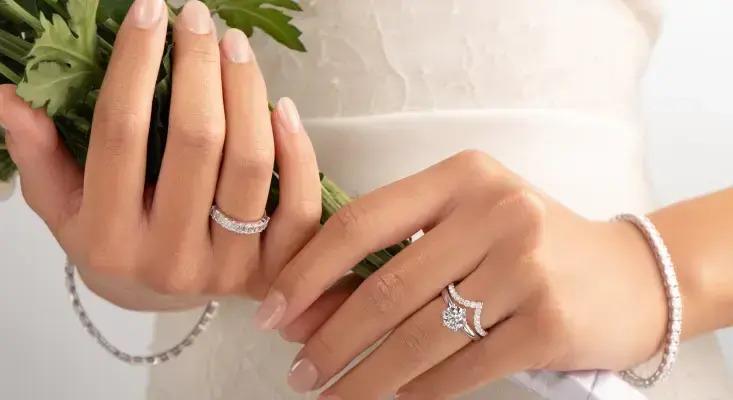
A three-stone engagement ring combines beauty with meaning, making it a popular choice for couples who want jewelry with a story behind it. The three diamonds are often associated with a relationship’s past, present, and future, giving the design a sentimental quality beyond its appearance. Today, couples looking for this classic style can choose lab-grown diamonds for an elegant ring that offers flexibility in design, diamond selection, and budget.
What Makes a Three-Stone Ring Special?
A three-stone ring typically features one central diamond accompanied by two side stones. The center diamond is usually the largest, while the smaller diamonds frame it and create a balanced appearance.
The design has remained popular because it combines traditional symbolism with a distinctive visual style. Unlike a solitaire, which places all attention on a single stone, a three-stone setting creates a broader band of sparkle across the finger.
The three stones can also represent different stages of a relationship. Many people interpret them as the past, present, and future, although couples can assign their own meaning to the design.
Why Choose Three Stone Lab Grown Diamond Rings?
When shopping for three stone lab grown diamond rings, buyers have the opportunity to combine a traditional ring style with modern diamond technology. Lab-grown diamonds have essentially the same chemical composition and crystal structure as mined diamonds, while being produced in controlled laboratory environments.
One major advantage is the ability to consider different diamond shapes, sizes, and qualities while staying within a chosen budget. This can be particularly useful with a three-stone design because three diamonds need to work together visually.
For example, a couple might choose a larger oval center stone with pear-shaped side diamonds. Another option could feature a round center diamond with two matching round side stones. The possibilities allow the ring to feel personal rather than generic.
Choosing the Right Center Diamond
The center diamond naturally receives the most attention, so it deserves careful consideration. Its shape, size, cut quality, and proportions can influence the overall appearance of the ring.
Round diamonds are a classic option because of their brilliant sparkle and versatile appearance. Oval diamonds can create a graceful look while appearing larger across the finger because of their elongated shape. Cushion, emerald, pear, and radiant cuts can provide different visual personalities.
Cut quality is especially important when selecting the center stone. A well-cut diamond can interact effectively with light, producing brightness and sparkle. Rather than focusing only on carat weight, compare cut, proportions, clarity, and color together.
Matching the Side Stones
The side diamonds should complement the center stone without competing with it. They can match the center diamond’s shape or provide contrast.
Three matching round diamonds create a symmetrical and traditional appearance. Pear-shaped or tapered side stones can add a more flowing silhouette. Trillion-cut side diamonds offer a sharper, contemporary look.
It is also important to consider proportions. Side stones that are too large can overpower the center diamond, while stones that are too small may not provide the framing effect many buyers want.
When selecting man made diamonds for a three-stone setting, ask how the stones have been graded and whether their color and visual characteristics work well together.
Popular Three-Stone Ring Styles
There are several ways to customize this classic design.
Classic Three-Round Setting
Three round brilliant diamonds create a traditional and highly symmetrical look. This style works well for someone who prefers timeless jewelry.
Oval Center With Side Stones
An oval center diamond provides an elongated appearance, while smaller side stones add width and sparkle. It can look elegant without feeling overly formal.
Emerald-Cut Three-Stone Ring
Emerald-cut diamonds have broad, step-cut facets that emphasize clarity and geometric lines. A three-stone emerald-cut design can have a sophisticated, understated appearance.
Mixed-Shaped Three-Stone Ring
Combining different shapes creates a more distinctive design. For example, an oval center with pear-shaped side stones can produce a soft and graceful silhouette.
Vintage-Inspired Designs
Milgrain details, delicate engraving, halo accents, and intricate metalwork can give a three-stone ring a vintage character while retaining the central three-diamond structure.
Selecting the Right Metal
The choice of metal can change the character of the entire ring. Platinum offers a durable, naturally white appearance and is often selected for fine jewelry. White gold provides a similar visual effect and can offer a different balance of cost and design.
Yellow gold creates a warmer contrast against the diamonds, while rose gold adds a subtle pink tone. The best choice depends on personal style and the appearance you want the diamonds to have.
Consider how the engagement ring will coordinate with a wedding band as well. A three-stone setting can have a larger profile than a simple solitaire, so band compatibility should be considered before purchasing.
Understanding Diamond Quality
Whether buying mined or lab-grown stones, the traditional diamond quality factors remain important. These include the four Cs: cut, color, clarity, and carat weight.
Cut: Determines how effectively the diamond handles light and contributes significantly to sparkle.
Color: Refers to how much color is visible in a diamond. Higher grades generally appear more colorless.
Clarity: Describes the presence of internal inclusions and external blemishes.
Carat: Measures weight rather than visual size. Two diamonds with the same carat weight can appear different depending on their shape and proportions.
For a three-stone ring, consistency matters. The stones do not necessarily need identical grades, but their visible appearance should complement one another.
Think About Finger Coverage
A three-stone design naturally provides more horizontal coverage than a solitaire. This can make the ring look substantial even when the individual diamonds are not exceptionally large.
Before choosing a setting, consider the wearer’s finger shape and preferred jewelry style. Someone who likes delicate jewelry may prefer smaller side stones and a slim band. Someone who enjoys a bolder appearance may choose larger proportions or a wider setting.
Trying on different styles can help you understand how the ring will actually look rather than relying only on photographs.
Setting and Security Matter
A beautiful diamond is only part of the ring. The setting needs to hold each stone securely while allowing enough light to enter the diamonds.
Prong settings are common because they can showcase more of the diamond. Bezel settings provide a more enclosed design and can offer additional protection around the stone.
The structure of a three-stone ring should also be examined carefully. Since the design holds three individual stones, the security of each setting matters. Ask about the craftsmanship, metal quality, and maintenance requirements before making a purchase.
Are Lab-Grown Diamonds a Good Choice?
Lab-grown diamonds can be an attractive option for buyers who want diamond jewelry while exploring a wider range of design possibilities. They are real diamonds rather than diamond imitations, but their origin differs from that of naturally formed mined diamonds.
For buyers considering man made diamonds, it is still important to purchase from a reputable jeweler and review reliable grading documentation. Certification can help verify important characteristics such as carat weight, color, clarity, and cut.
The decision ultimately comes down to personal priorities. Some buyers place greater importance on natural origin, while others prioritize design flexibility, diamond characteristics, and overall value.
How to Make the Ring More Personal
A three-stone ring already carries meaningful symbolism, but personalization can make it even more special. Consider engraving a date, initials, or a short phrase inside the band.
You can also choose a diamond shape that reflects the wearer’s personality. Classic round stones may suit someone with traditional tastes, while unusual combinations can appeal to someone who wants distinctive jewelry.
Metal choice, band width, setting style, and side-stone proportions can all be adjusted to create a ring that feels individual.
Final Thoughts
A three-stone engagement ring offers an appealing combination of symbolism, sparkle, and timeless design. By choosing the right center diamond, coordinating side stones, selecting a suitable metal, and paying attention to craftsmanship, couples can create a ring that feels both classic and personal.
Three stone lab grown diamond rings are especially worth considering for shoppers who want the traditional three-diamond silhouette while exploring the variety available through lab-grown stones. With thoughtful selection and proper documentation, this style can become a meaningful piece of jewelry designed to represent a lasting relationship.

 English
 Arabic
 French
 Spanish
 Portuguese
 Deutsch
 Turkish
 Dutch
Dutch
 Italiano
 Russian
 Portuguese (Brazil)
 Greek
Greek
 Bengali