


Rhinoplasty In Islamabad: Why Preserving Nasal Structure Matters for Long-Term Results
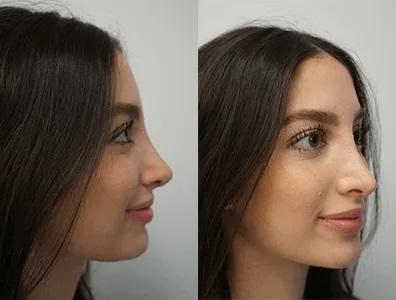
A beautiful nose is not simply a smaller nose. Behind every natural-looking result is a carefully preserved framework of bone, cartilage, and soft tissue that allows the nose to maintain its shape, strength, and function long after surgery. When too much structure is removed, the immediate result may look appealing, but problems can become more noticeable as the nose heals and ages.
For anyone considering Rhinoplasty in Islamabad, understanding structural preservation is an important part of choosing the right surgical approach. Modern rhinoplasty is not just about changing appearance; it is about reshaping the nose while protecting the support it needs for long-term stability.
What Does Nasal Structure Actually Mean?
The nose has a complex framework made up of bone, cartilage, connective tissue, skin, and internal structures. These components work together to determine the nose's shape while also helping maintain the nasal airway.
The underlying framework acts like the support system of the nose. If this framework is weakened unnecessarily during surgery, the nose may lose some of its natural stability or develop unwanted changes during healing.
During Rhinoplasty in Islamabad, surgeons carefully assess the existing structure before deciding which areas need modification. The objective is to make appropriate changes without compromising the foundation that supports the nose.
Why Removing Too Much Can Be a Problem
In the past, rhinoplasty was sometimes associated with aggressive reduction. The idea was that removing more bone and cartilage would create a smaller, more refined nose, but excessive removal can create structural concerns.
Smaller does not automatically mean better. Taking away too much supporting tissue can potentially affect the bridge, tip, nasal valves, or overall shape of the nose.
A modern approach to Rhinoplasty in Islamabad focuses more on controlled reshaping than aggressive reduction. The surgeon considers how much tissue can safely be altered while maintaining appropriate support.
The Role of Cartilage in Long-Term Stability
Cartilage plays an important role in the shape and support of the nose. The septum and other cartilage structures help maintain the nasal framework and contribute to both appearance and airflow.
Cartilage is not simply excess material that can be removed whenever necessary. In many cases, it needs to be preserved, reshaped, repositioned, or strategically supported to achieve a stable result.
For patients undergoing Rhinoplasty in Islamabad, careful cartilage management can help the nose maintain its intended shape as swelling decreases and the tissues gradually settle.
Preserving the Nasal Tip
The tip is particularly dependent on cartilage for its shape and projection. Removing too much cartilage or weakening the supporting structures can sometimes cause the tip to lose definition or change position during healing.
A well-supported nasal tip is essential for a natural-looking result. Instead of creating an extremely sharp or lifted tip, the surgeon may aim for appropriate projection and definition that match the patient's facial proportions.
This is one reason why Rhinoplasty in Islamabad should be approached as structural reshaping rather than simply cosmetic reduction. The surgeon needs to consider how changes to the tip may influence the rest of the nose.
Rhinoplasty In Islamabad: What Structural Preservation Helps Protect
Preserving appropriate nasal structures can support several aspects of a successful long-term outcome.
- Nasal shape: Maintaining structural support can help the reshaped nose retain its intended form.
- Tip stability: Appropriate cartilage support can help maintain tip position and definition.
- Breathing: Protecting important internal structures can help support normal nasal airflow.
- Bridge strength: Careful management of the nasal framework helps maintain stability.
- Natural appearance: Preserving appropriate anatomy can reduce the risk of an overly operated appearance.
- Long-term balance: A stable framework can help the nose remain proportionate as tissues heal and change over time.
These considerations make Rhinoplasty in Islamabad a highly individualized procedure. The right amount of structural modification depends on the patient's existing anatomy and surgical goals.
Nasal Function Is Closely Connected to Structure
The nose has an important job beyond appearance: it helps filter, warm, and humidify the air we breathe. Its internal passages also need adequate support to maintain comfortable airflow.
Aesthetic improvement should not come at the expense of nasal function. When structural components are altered without sufficient planning, changes in nasal support can potentially contribute to breathing difficulties.
A thoughtful approach to Rhinoplasty in Islamabad therefore considers both the external shape and internal anatomy. The goal is to create aesthetic improvement while respecting the structures responsible for nasal function.
Why Natural Results Depend on Structural Planning
It is easy to focus on what the nose will look like after surgery, but the quality of that result depends heavily on what happens underneath the skin. The surgeon must anticipate how bone, cartilage, skin, and soft tissue will interact during the healing process.
Long-term rhinoplasty requires thinking beyond the operating room. A change that looks attractive immediately after surgery may not produce the same result if the underlying framework has not been appropriately supported.
For patients exploring Rhinoplasty in Islamabad, structural planning helps the surgeon make decisions based on anatomy rather than relying only on a desired external shape.
Skin and Soft Tissue Also Matter
Structural preservation does not mean focusing only on bone and cartilage. The skin and soft-tissue envelope also influence how the final result appears.
Thicker skin may soften certain refinements, especially around the nasal tip, while thinner skin may make underlying irregularities more visible. The same structural changes can therefore look different on different patients.
This is why a personalized assessment is essential before Rhinoplasty in Islamabad. A surgeon needs to consider the complete nasal anatomy and how the patient's tissues are likely to respond during healing.
The Importance of Conservative, Controlled Changes
Preserving structure does not mean avoiding all changes. Rhinoplasty can still produce meaningful improvements while using a measured surgical approach.
Precision is often more valuable than aggressive correction. A surgeon may reduce a hump, refine the tip, adjust width, or improve projection while deliberately maintaining important supporting structures.
For someone considering Rhinoplasty in Islamabad, this balanced philosophy can help create a result that looks refined without appearing excessively altered.
Long-Term Results Require Patience
The nose continues to change throughout the healing period. Swelling gradually decreases, tissues settle, and the final contours become clearer over time.
The immediate post-surgical appearance is not the final result. Proper structural support gives the healing tissues an appropriate framework as they settle into their new shape.
Patients choosing Rhinoplasty in Islamabad should follow their surgeon's recovery instructions and attend follow-up appointments so the healing process can be monitored properly.
Choosing a Surgeon Who Understands Nasal Anatomy
Because rhinoplasty involves both appearance and structure, the surgeon's understanding of nasal anatomy is extremely important. A procedure should be planned around the patient's individual features rather than a generic idea of what a nose should look like.
Good rhinoplasty planning asks not only what should be changed, but what should be preserved. This distinction can have an important influence on both appearance and long-term stability.
For people considering Rhinoplasty in Islamabad, a detailed consultation is the right opportunity to discuss aesthetic goals, nasal function, structural concerns, and realistic expectations before surgery.
Why Choose Dynamic Clinic PK?
For patients considering Rhinoplasty in Islamabad, Dynamic Clinic PK brings specialized expertise, board-certified surgeons, and advanced techniques to personalized nose reshaping, with careful attention to structural preservation, facial harmony, nasal function, and long-term results.

 English
 Arabic
 French
 Spanish
 Portuguese
 Turkish
 Dutch
Dutch
 Italiano
 Russian
 Romaian
 Portuguese (Brazil)
 Greek
Greek
 Bengali