


Maintaining and Repairing Flat Roofs for Long-Term Protection
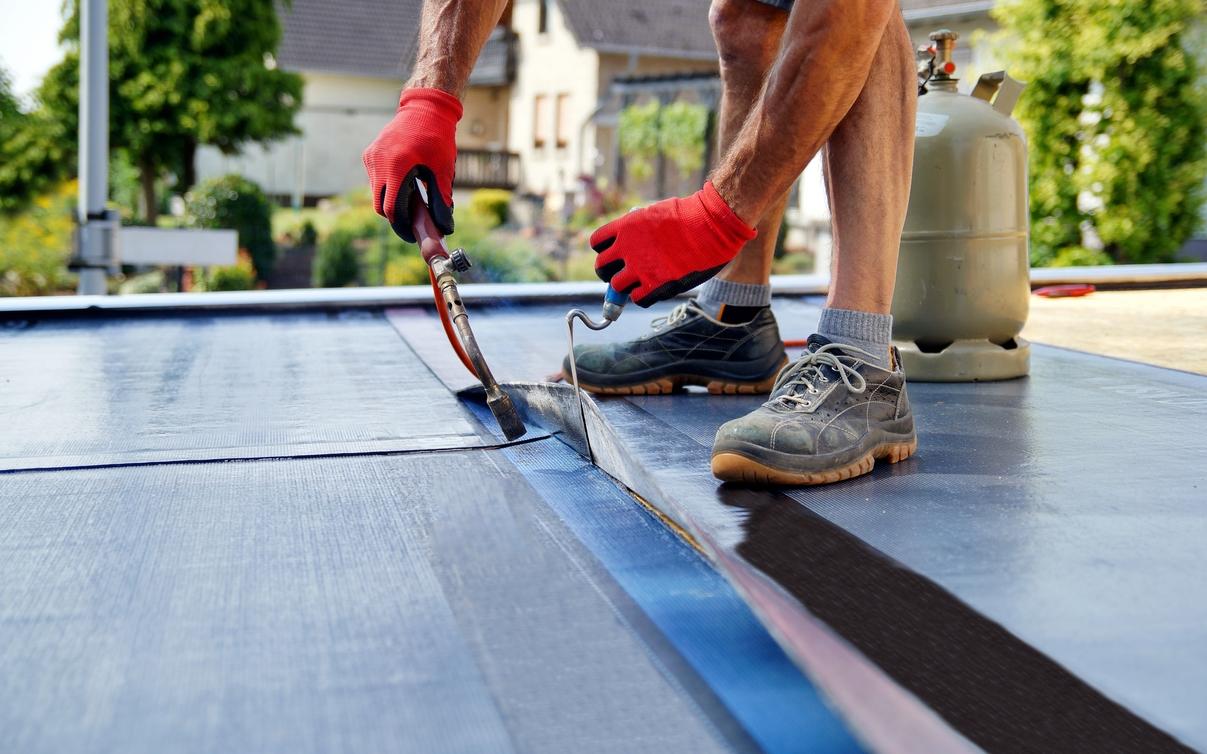
A roof protects a building from weather, moisture, sunlight, and temperature changes. Flat roofs have a different design from sloped roofing systems, which means they require particular attention to drainage, seams, surface condition, and water protection. When problems appear, addressing them early can help prevent damage from spreading.
Flat roof maintenance is not limited to fixing visible leaks. A complete approach looks at the roofing membrane, drainage areas, flashing, edges, seams, and other components. Regular inspections can reveal small defects before they develop into costly problems.
Understanding Flat Roof Systems
Flat roofs are usually designed with a slight slope rather than being completely level. This small slope helps direct water toward drains or other drainage points. Because water cannot move away as quickly as it does on a steep roof, drainage is especially important.
Different flat roofing systems use different materials. Common options may include modified bitumen, single-ply membranes, built-up roofing, and other protective systems. Each material has its own maintenance requirements.
Before repairs begin, it is important to identify the existing roofing system. The repair method and materials should be compatible with the roof already in place.
Common Flat Roof Problems
Flat roofs can experience several types of damage over time. Ponding water is one concern because prolonged moisture exposure can place stress on roofing materials. Cracks, blisters, open seams, damaged flashing, and punctures can also allow water to penetrate the roof system.
Other warning signs may appear inside the building. Water stains on ceilings or walls, damp insulation, peeling paint, or unusual odors can indicate moisture problems.
Common issues include:
- Leaks around seams and roof penetrations
- Damaged or deteriorated flashing
- Ponding water caused by drainage problems
- Cracks, punctures, or membrane damage
- Loose or deteriorated surface materials
Finding the source of a leak can sometimes be difficult because water may travel beneath the surface before appearing inside.
Why Prompt Repairs Are Important
A small opening in a roofing membrane can allow repeated moisture exposure. Over time, water may affect insulation, decking, walls, ceilings, and interior finishes. Structural components may also be affected if moisture remains present for an extended period.
Prompt attention can help limit the spread of damage. Repairs may be simpler and less expensive when problems are identified early.
For property owners looking for Flat Roof Repair Services in Hernandez NM, a professional inspection can help determine whether the issue is localized or part of a larger roofing problem.
Inspecting the Roof Surface
A roof inspection should cover the entire system rather than focusing only on the area where a leak is visible. Seams, drains, flashing, vents, edges, penetrations, and transitions should all be examined.
The condition of the membrane should also be checked for signs of aging or physical damage. Areas around equipment or frequently accessed sections may experience additional wear.
Interior areas should be inspected as well. Comparing interior moisture signs with exterior roof conditions can help identify possible sources of water entry.
Regular inspections are particularly useful after strong winds, heavy rainfall, or other severe weather events.
Addressing Drainage Problems
Effective drainage is essential for a flat roof. Drains, gutters, scuppers, and other drainage pathways should remain clear of leaves, dirt, and debris.
Standing water that remains after normal rainfall may indicate a drainage issue or an area where the roof surface has developed a low point. Simply repairing a leak without addressing the underlying drainage problem may allow the issue to return.
Keeping drainage systems clean and functioning properly is an important part of long-term roof maintenance.
Repairing Seams and Flashing
Seams are important because they connect sections of the roofing material. With age and weather exposure, seams can weaken or separate. Damaged areas should be inspected carefully before an appropriate repair is applied.
Flashing around vents, walls, edges, and other roof openings also requires attention. Deteriorated flashing can create pathways for water to enter the building.
Repair materials should be compatible with the existing roof. Using an unsuitable product can result in poor adhesion or premature failure.
Choosing Repair Materials
Different roofing systems require different repair products. Sealants, patches, membranes, coatings, and other materials should be selected according to the roof's existing construction and the type of damage.
The surrounding surface should usually be cleaned and prepared before repairs are applied. Moisture, dirt, loose material, and other contaminants can interfere with proper bonding.
Following the manufacturer's application requirements can improve the durability of the finished repair.
Preventive Maintenance
Repair work should be supported by ongoing maintenance. Property owners can help protect their roofs by keeping drainage areas clear, removing debris, monitoring nearby trees, and arranging periodic inspections.
Small signs of damage should not be ignored. Peeling materials, surface bubbles, cracks, damaged edges, or recurring moisture stains may indicate that further evaluation is needed.
Reliable Roofing Services Hernandez NM can help property owners address maintenance concerns and determine whether a roof needs a simple repair, restoration, or more extensive work.
When Repair May Not Be Enough
Some flat roofs eventually reach a point where repeated repairs are no longer practical. Extensive membrane deterioration, widespread leaks, severe moisture damage, or compromised structural components may indicate that replacement should be considered.
The decision should be based on the overall condition of the roof, its age, repair history, expected remaining service life, and long-term property needs.
Final Thoughts
Flat roofs require consistent attention because their low-slope design can make drainage and moisture management especially important. Regular inspections can help identify damaged seams, flashing problems, drainage issues, and surface deterioration before they become larger concerns.
Timely repairs, suitable materials, proper drainage, and routine maintenance can help extend the useful life of a flat roofing system. Taking a proactive approach can protect the building, reduce unexpected repair costs, and support reliable roof performance over time.

 Arabic
 French
 Spanish
 Portuguese
 Deutsch
 Turkish
 Dutch
Dutch
 Italiano
 Russian
 Romaian
 Portuguese (Brazil)
 Greek
Greek
 Bengali