


What Should Rockvalves DIN Standard Cast Steel Valves Buyers Check
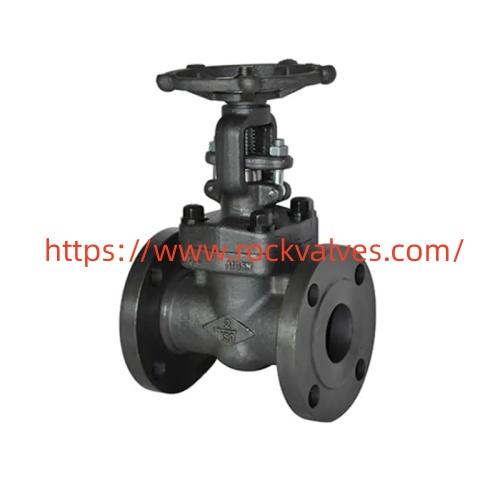
DIN Standard Cast Steel Valves should be evaluated according to the actual requirements of a pipeline project rather than selected only by size or appearance. Buyers need to consider pressure, temperature, medium, material, connection dimensions, operating method, installation space, testing requirements, and applicable standards. A clear specification at the beginning can make communication between engineers, purchasing teams, contractors, and manufacturers much easier.
The first point to check is the intended application. Industrial pipelines can handle water, steam, oil, gas, chemical fluids, or other process media. Each medium may create different requirements for body materials, internal components, sealing elements, and surface protection. Before requesting a quotation, buyers should provide as much information as possible about the fluid and operating environment.
Pressure rating deserves careful attention as well. A valve installed in a low pressure utility line may have very different requirements from equipment used in an energy or process pipeline. Buyers should check the nominal pressure, working pressure, temperature range, and applicable project specifications together. Looking at only one value can create an incomplete understanding of whether a particular configuration is suitable.
Material selection is another important part of the purchasing process. Cast steel bodies are available in different grades, while stems, seats, bolting, packing, and other components may use different materials according to their functions. The selected materials should correspond with the medium, temperature, pressure, corrosion conditions, and project requirements. For demanding applications, engineering teams may also specify particular material standards or inspection procedures.
End connection dimensions should never be overlooked. Flanged, welded, or other connection arrangements can be selected according to the surrounding piping design. Buyers should confirm flange dimensions, pressure class, face to face dimensions, bore requirements, welding details where applicable, and relevant dimensional standards. Correct matching can reduce installation difficulties when equipment reaches the project site.
Operating method is also worth considering. Manual operation may be suitable for some installations, while gear operated or actuated arrangements may be required when the valve is large, frequently operated, or installed in a location with limited access. The available space around the equipment should be reviewed before confirming the operating arrangement. This can help maintenance personnel operate and inspect the equipment more conveniently.
Another useful step is reviewing the internal design. Buyers can ask about the closure arrangement, seat construction, stem design, bonnet structure, packing system, and other relevant components. The purpose is not simply to compare individual parts, but to understand how the complete configuration corresponds with the intended operating environment.
Testing and inspection documents can provide valuable information during procurement. Depending on the project, buyers may require pressure testing records, material certificates, dimensional inspection reports, non destructive testing records, or other quality documents. Requirements should be confirmed before production begins. Clear documentation expectations can reduce misunderstandings between the supplier and project team.
Manufacturing capability should also be considered when comparing suppliers. A suitable manufacturer should be able to communicate clearly about drawings, material selection, production arrangements, inspection procedures, packaging, and delivery requirements. For customized projects, technical communication becomes particularly important because small dimensional or material differences can affect installation and project coordination.
Rockvalves provides cast steel valve solutions for industrial pipeline applications and works with project specific requirements covering materials, pressure ratings, connections, and related technical details. For buyers, sharing drawings or specifications during the quotation stage can help establish a clearer basis for product evaluation and configuration discussions.
Price is naturally part of procurement, but it should be reviewed alongside the complete technical specification. A lower initial quotation may not represent the same configuration, material grade, testing scope, documentation package, or connection requirements as another offer. Comparing products on equivalent technical conditions gives purchasing teams a more useful basis for evaluating different proposals.
Buyers should also consider installation and future maintenance. Equipment may need periodic inspection, packing adjustment, component replacement, or other service work depending on the operating environment. Accessibility, spare component availability, documentation, and maintenance procedures can therefore be included in the purchasing checklist. Thinking about the full service process can make project planning more practical.
For international projects, applicable standards should be confirmed before ordering. DIN references can cover different aspects of industrial equipment, so buyers should identify the specific standard and edition required by the project rather than relying only on a general description. The same approach applies to pressure designations, flange dimensions, materials, testing, and other technical requirements.
A well prepared purchasing specification brings these factors together. Medium, pressure, temperature, material, connection, operating method, dimensions, inspection, documentation, and installation conditions should be reviewed as a complete set. This process gives engineering and procurement teams a clearer understanding of what they actually need and provides manufacturers with useful information for preparing a suitable proposal.
For buyers planning industrial pipeline projects, careful preparation before ordering can reduce specification changes and improve communication throughout the procurement process. Rockvalves offers related industrial valve products and technical information through https://www.rockvalves.com/ where project teams can review available solutions and consider suitable configurations according to their application requirements.

 English
 Arabic
 French
 Spanish
 Portuguese
 Deutsch
 Turkish
 Dutch
Dutch
 Italiano
 Russian
 Romaian
 Greek
Greek
 Bengali