


Invisalign Dubai: Which Factors Can Influence Aligner Treatment Planning?
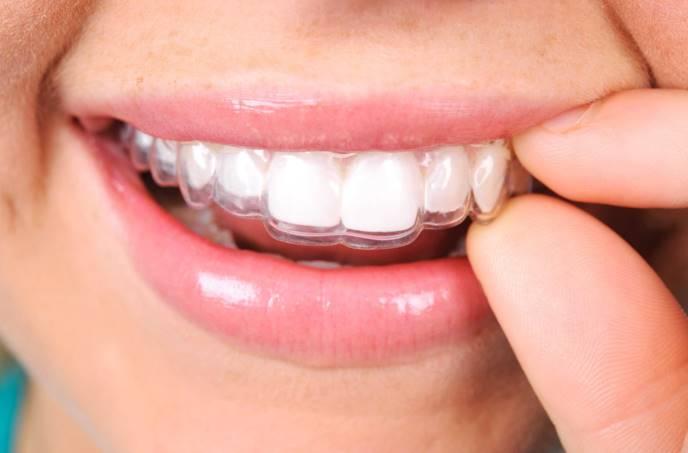
Choosing clear aligner treatment involves much more than deciding to straighten the teeth. Before aligners are prescribed, the dentist or orthodontist needs to understand the current position of the teeth, the bite, the available space, facial appearance, and the patient's treatment goals. These details help shape a personalised plan for moving the teeth gradually and predictably.
For patients considering Invisalign Dubai, the planning stage is an important part of the overall treatment process. A detailed assessment can help determine which movements are needed, how those movements may be staged, and what features may need to be incorporated into the aligners.
At Cornerstone, the planning process can be tailored to the patient's individual dental presentation rather than relying on a standard approach. Modern digital records can also support detailed assessment and visualisation of proposed tooth movements. Research into clear aligner treatment planning highlights the importance of comprehensive diagnostic records and assessment of the complexity of the tooth movements involved.
Understanding the Patient's Main Treatment Goals
Every aligner treatment plan begins with understanding what the patient wants to change. One person may be primarily concerned about crowded front teeth, while another may want spaces closed or the overall alignment improved.
The patient's priorities can influence which teeth are moved and how the treatment is organised. During the consultation, the dentist may discuss the appearance of the smile, tooth alignment, bite relationship, and any specific concerns the patient has noticed.
These discussions help establish a realistic treatment objective. Instead of planning movements without context, the dental team can consider the patient's expectations alongside the clinical findings.
Evaluating Tooth Alignment
The existing position of the teeth is one of the central factors in aligner planning. Teeth may be crowded, rotated, tilted, spaced, or positioned unevenly within the dental arch.
The degree and type of movement required can influence the complexity of the treatment. Research has found that overall malalignment and anterior tooth-position factors can be associated with the number of aligners required and treatment duration.
During an assessment, the dentist may therefore examine each tooth individually as well as considering the alignment of the entire arch.
This allows the proposed treatment to account for the direction and extent of movement required rather than treating the smile as a single structure.
Assessing the Bite
The way the upper and lower teeth meet is another important consideration. A patient's bite can involve relationships such as overbite, overjet, crossbite, open bite, or other differences in how the dental arches fit together.
Aligner planning needs to consider both tooth alignment and the functional relationship between the upper and lower arches. A plan that improves the appearance of individual teeth but does not appropriately address the bite may not achieve the intended overall result.
The dentist may therefore examine how the teeth contact when the mouth closes and how they relate during normal jaw movements. This information can help guide the sequence and direction of planned tooth movements.
Determining Available Space
Space is a fundamental part of orthodontic treatment planning. Crowded teeth may require space to be created before they can be positioned correctly, while gaps may require controlled movement to bring teeth together.
Depending on the patient's dental presentation, space can sometimes be managed through controlled arch development, tooth movement, or interproximal reduction. In more complex situations, other orthodontic approaches may need to be considered.
Clear aligner treatment planning literature identifies methods such as arch expansion, molar distalisation, incisor positioning, and interproximal reduction as potential strategies for managing space.
The appropriate approach depends on the individual's teeth, bite, facial characteristics, and treatment objectives.
Considering Tooth Movement Complexity
Not all orthodontic movements are equally straightforward. Moving a tooth sideways may require a different strategy from rotating it, changing its vertical position, or controlling the position of its root.
For this reason, the dentist may consider the specific movements required for each tooth. More complex combinations of movements can influence the design and staging of the aligners.
The number of trays is not determined simply by how many teeth appear crooked. Research has shown that composite measures of malalignment can be more useful for predicting treatment duration than looking at individual tooth movements alone.
This illustrates why a comprehensive assessment is important before an aligner plan is finalised.
Digital Scanning and Dental Records
Digital scanning has become an important part of modern aligner workflows. An intraoral scan can create a three-dimensional representation of the teeth that can be used for digital treatment planning.
A complete orthodontic assessment may also include photographs and, when clinically indicated, radiographic records. Professional consensus recommendations emphasise collecting accurate patient data, including photographs, radiographic information, and digital dental models before establishing a clear aligner treatment plan.
Digital models can make it easier to examine tooth positions and simulate planned changes. They can also support communication between the clinician and patient when discussing the proposed treatment sequence.
Planning Attachments When Needed
Some aligner treatment plans may include small tooth-coloured attachments placed on selected teeth. These features can help the aligner apply forces in particular directions.
The number and position of attachments can depend on the movements being planned. For example, a tooth requiring controlled rotation or specific positional adjustment may need a different attachment strategy from a tooth requiring simple alignment.
Research into Invisalign treatment planning has found that clinicians may modify attachment prescriptions and other elements between an initial digital plan and the final accepted plan.
This highlights the importance of professional review of the digital plan rather than assuming that the first computer-generated proposal is automatically the final treatment prescription.
Considering Interproximal Reduction
In some treatment plans, a small amount of enamel between selected teeth may be reduced to create additional space. This is commonly referred to as interproximal reduction or IPR.
Whether it is appropriate depends on the patient's individual tooth dimensions, alignment, space requirements, and overall treatment objectives.
If IPR forms part of a proposed aligner plan, the dentist can explain which teeth are involved and why it may be included. It is considered as part of the broader orthodontic strategy rather than as an isolated procedure.
Looking at Facial and Smile Aesthetics
Orthodontic planning is not limited to the teeth viewed individually. The position of the teeth can influence the appearance of the smile and how the teeth relate to the lips and facial features.
The dentist may therefore consider the visible tooth display, smile line, tooth proportions, and general facial appearance when establishing treatment objectives.
This is particularly relevant when a patient is seeking an improvement in the appearance of the front teeth. The goal is to coordinate tooth movement with the overall smile rather than simply moving individual teeth into mathematically straight positions.
Considering Previous Dental Treatment
Existing dental work can also influence aligner planning. Crowns, veneers, fillings, bridges, implants, or other restorations may affect how certain teeth can be moved or how attachments can be positioned.
The dentist can assess existing restorations during the consultation and incorporate relevant information into the treatment plan.
A patient's dental history may also provide useful information about previous orthodontic treatment. Someone who has had braces or aligners in the past may have different treatment objectives from someone beginning orthodontic treatment for the first time.
Treatment Complexity and Expected Duration
Treatment duration varies between patients because the amount and type of movement required can be very different.
Simple alignment may require fewer stages, while more extensive correction involving multiple movements may require a longer sequence. Studies examining Invisalign treatment planning have found that more complex cases can require additional digital planning stages and aligners.
The dentist can review the proposed treatment sequence and explain the factors that influence its estimated duration.
Patients should understand that a digital simulation represents a treatment plan rather than a guarantee of exactly how every tooth will respond. Biological response, tooth movement characteristics, and patient cooperation can all influence the progression of orthodontic treatment.
Patient Compliance and Aligner Wear
The patient's ability to follow the prescribed aligner schedule is also considered when planning treatment. Clear aligners are removable, which means the patient has an active role in wearing them according to the instructions provided by the dental professional.
Consistent use allows the treatment sequence to progress according to the planned stages. If aligners are not worn as instructed, the teeth may not track according to the intended sequence, which can affect the treatment timeline.
During consultation, the dentist can explain how aligner wear fits into everyday routines and what patients should expect from their treatment schedule.
Refining the Digital Treatment Plan
The initial digital plan may be reviewed and adjusted before treatment begins. The clinician can assess whether the proposed tooth movements, attachments, space management, and final positions are appropriate for the individual case.
Treatment planning research has demonstrated that orthodontists may make changes to initial digital treatment plans before accepting the final version, including adjustments involving aligner prescriptions, attachments, and interproximal reduction.
This professional review is an important part of personalised treatment planning. Software can assist with visualisation and staging, but clinical judgement remains central to deciding whether the proposed movements are suitable.
Understanding Invisalign Cost in Dubai
Patients researching Invisalign Cost in Dubai may notice that treatment prices can vary between individuals. This is because aligner treatment is not necessarily the same for every patient.
Factors that may influence the overall cost can include treatment complexity, the number of aligners required, the scope of orthodontic correction, additional planning requirements, and the duration of treatment.
A consultation provides an opportunity to discuss the recommended treatment approach and understand what is included in the proposed cost.
At Cornerstone, patients can discuss their orthodontic goals and receive information about the treatment plan and associated costs based on their individual requirements.
Why Individualised Planning Matters
Clear aligner treatment works through a sequence of planned tooth movements, so the quality of the initial assessment can have an important role in establishing the treatment approach.
A personalised plan considers more than whether teeth look crowded or spaced. It can incorporate tooth position, bite relationships, available space, movement complexity, previous dental treatment, smile aesthetics, and the patient's goals.
Modern digital tools can support this process by providing three-dimensional models and simulations, while the clinician evaluates whether the proposed movements are appropriate for the patient's specific circumstances.
Conclusion
The planning of Invisalign Dubai treatment can involve several interconnected factors. Tooth alignment, bite relationships, available space, movement complexity, smile aesthetics, existing dental work, and patient expectations can all contribute to the final treatment strategy.
Digital scans and planning software can provide valuable visual information, but they form part of a broader clinical assessment. The dentist or orthodontist can review the proposed movements, attachments, space management, and treatment stages before establishing the final plan.
For patients considering Invisalign, a detailed consultation at Cornerstone can provide an opportunity to understand how their individual dental characteristics may influence treatment planning, expected treatment stages, and Invisalign Cost in Dubai.
FAQs
What factors influence Invisalign treatment planning?
Factors can include tooth alignment, bite position, available space, tooth movement complexity, facial and smile aesthetics, previous dental treatment, and the patient's orthodontic goals.
Does the amount of crowding affect Invisalign planning?
Yes. The degree and distribution of crowding can influence how much space needs to be created and how individual teeth need to move during treatment.
How does the bite affect Invisalign treatment?
The relationship between the upper and lower teeth is assessed when planning aligner treatment. Overbite, overjet, crossbite, open bite, and other bite relationships may influence the planned tooth movements.
Are digital scans used for Invisalign treatment planning?
Digital intraoral scans can be used to create three-dimensional dental models that support treatment planning and visualisation of proposed tooth movements.
What are Invisalign attachments?
Attachments are small tooth-coloured features that may be placed on selected teeth to help aligners apply controlled forces for particular tooth movements.
Is interproximal reduction always required with Invisalign?
No. IPR is included only when it is considered appropriate for the individual's space requirements and treatment objectives.
Can previous braces affect Invisalign planning?
Previous orthodontic treatment may be considered during the assessment. The dentist can review the current tooth positions and previous treatment history when developing a new plan.
Does Invisalign treatment duration vary between patients?
Yes. Treatment duration can vary depending on the number and complexity of movements required, the overall alignment, bite considerations, and other individual factors.
What can affect Invisalign Cost in Dubai?
The cost can vary according to treatment complexity, the number of aligners required, the scope of orthodontic correction, planning requirements, and the individual treatment approach.
Why is a consultation important before Invisalign?
A consultation allows the dentist or orthodontist to assess the teeth and bite, understand the patient's goals, review available treatment options, and develop an aligner plan based on the individual's dental characteristics.

 English
 Arabic
 French
 Portuguese
 Deutsch
 Turkish
 Dutch
Dutch
 Italiano
 Russian
 Romaian
 Portuguese (Brazil)
 Greek
Greek
 Bengali