


7 Common Signs of Dyspraxia Parents Should Know About
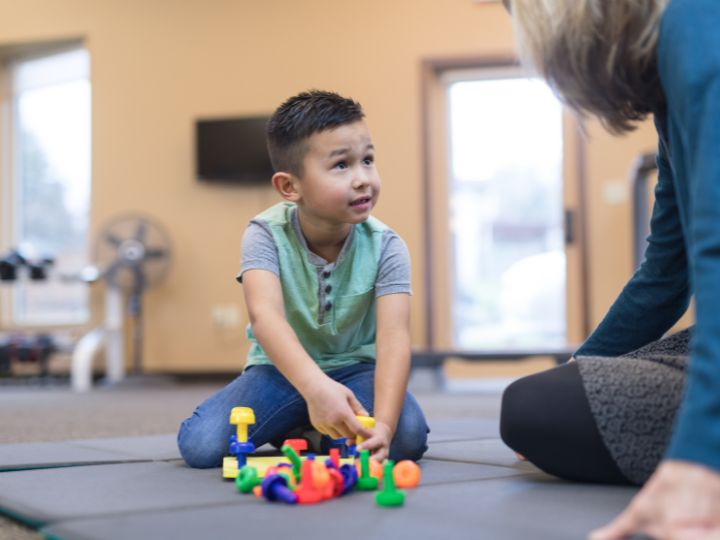
Recognising developmental differences early can help parents understand how a child experiences movement, learning and everyday activities. dyspraxia is a developmental coordination disorder that can affect motor planning, coordination and the ability to complete certain tasks smoothly. Understanding the common signs of dyspraxia can help families seek appropriate guidance from qualified professionals when needed.
1. Difficulty With Coordination
One of the most noticeable signs can be difficulty coordinating body movements. A child may appear clumsy, frequently bump into objects or struggle to judge distances. Activities such as running, jumping, catching a ball or navigating playground equipment may require more concentration than expected.
These challenges can become more noticeable when children are expected to perform movements that involve several steps at once.
2. Challenges With Fine Motor Skills
Fine motor activities require controlled movements of the hands and fingers. Children with dyspraxia may find tasks such as handwriting, drawing, cutting with scissors, tying shoelaces or fastening buttons challenging.
They may take longer to complete these activities or become frustrated when their hands do not respond as they expect. Support with handwriting skills and practical daily tasks can help build confidence and independence.
3. Difficulty With Motor Planning
Motor planning involves working out how to perform a physical movement. A child with dyspraxia may know what they want to do but struggle to organise the movements required to complete the task.
This can affect activities such as getting dressed, using playground equipment or following a new physical routine. Similar coordination difficulties may also continue into dyspraxia in adults, although the way these challenges appear can vary considerably.
4. Problems With Balance and Spatial Awareness
Balance and awareness of where the body is positioned can also be affected. Some children may have difficulty standing on one foot, walking along uneven surfaces or maintaining their balance during physical activities.
They may also misjudge spaces or have trouble moving around crowded environments. These signs can sometimes be mistaken for carelessness, making it important to consider the wider pattern of difficulties.
5. Difficulty Learning New Physical Skills
Children with dyspraxia may need additional time and repetition when learning unfamiliar physical activities. Riding a bicycle, swimming, playing a new sport or learning a dance routine may feel particularly demanding.
Breaking activities into smaller steps and allowing extra practice can make new movements easier to understand and perform.
6. Organisation and Sequencing Challenges
Dyspraxia can involve more than physical coordination. Some children may find it difficult to organise tasks, remember sequences or manage activities involving multiple instructions.
For example, getting ready for school may become challenging when a child needs to complete several steps in a particular order. Visual schedules, clear instructions and predictable routines may provide useful support.
7. Frustration During Everyday Activities
Repeated difficulty with tasks that appear simple to others can affect a child's confidence. A child may avoid activities involving writing, sport, dressing or coordination because they expect them to be difficult.
Parents can support positive development by recognising effort rather than focusing only on performance. Encouragement, appropriate adjustments and guidance from relevant professionals can help children develop practical strategies.
When Should Parents Seek Professional Guidance?
There is no single sign that confirms dyspraxia. Children develop skills at different rates, and coordination difficulties can have different causes. Parents who notice persistent challenges affecting school, play or daily routines can discuss their concerns with appropriate health or education professionals.
An individual assessment can help identify a child's strengths and areas where additional support may be useful.
FAQs About Dyspraxia in Children
What are the early signs of dyspraxia in children?
Common signs may include poor coordination, difficulty with fine motor tasks, challenges with balance, problems learning new physical skills and difficulty sequencing movements.
Can dyspraxia affect handwriting?
Yes. Difficulties with fine motor control, hand coordination and motor planning may make handwriting slower or more effortful for some children with dyspraxia.
Does dyspraxia affect learning at school?
Dyspraxia primarily relates to coordination and motor skills, but associated difficulties with organisation, sequencing and completing practical tasks may influence a child's school experience.
How can parents support a child with dyspraxia?
Parents can provide encouragement, break complex activities into smaller steps, allow additional practice time and seek professional guidance when coordination difficulties consistently affect everyday activities.

 English
 Arabic
 French
 Spanish
 Portuguese
 Deutsch
 Turkish
 Dutch
Dutch
 Russian
 Romaian
 Portuguese (Brazil)
 Greek
Greek
 Bengali