


Earthing Pipes Jindal: Quality, Applications and Benefits
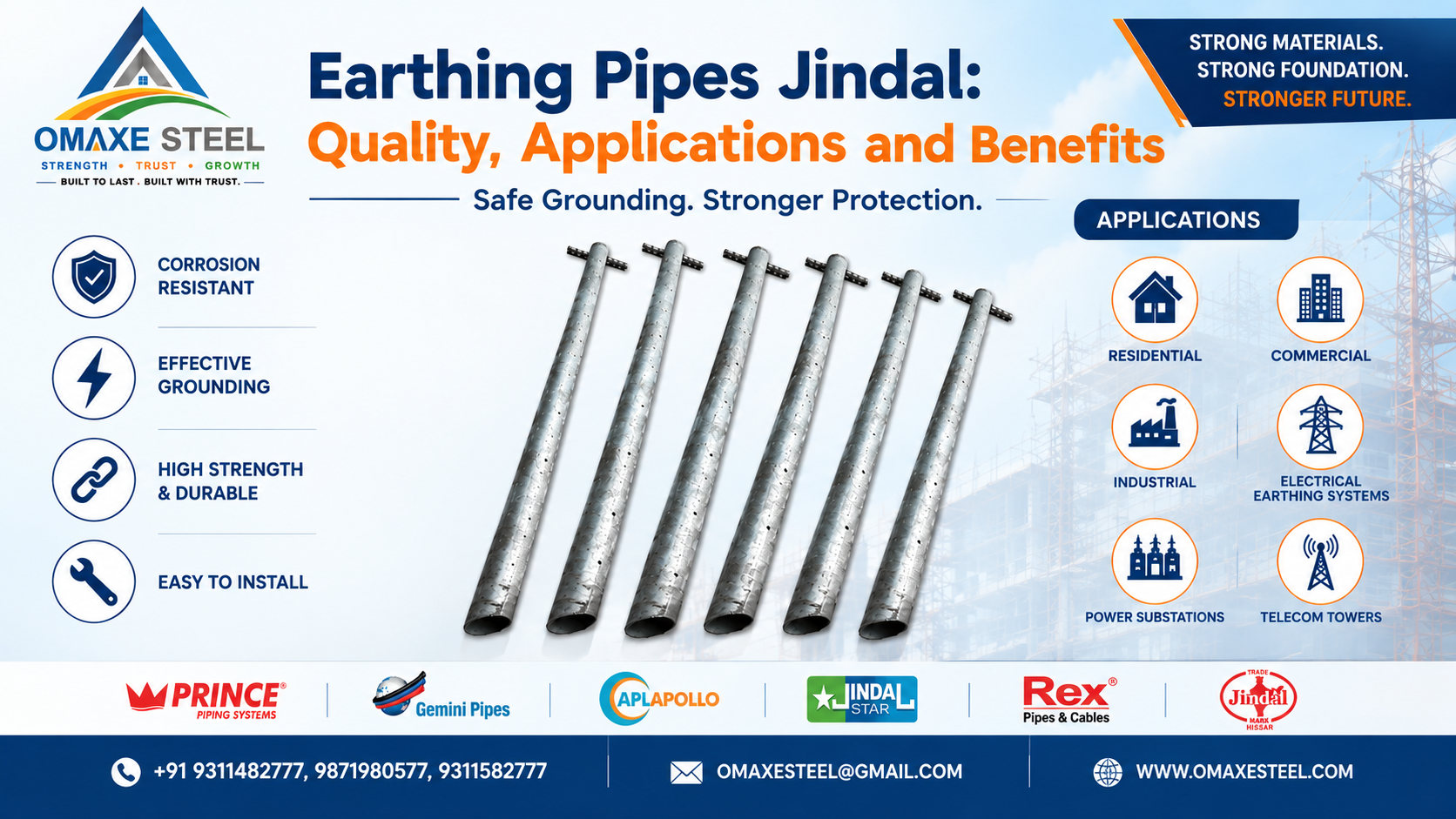
Electrical earthing is one of those things that rarely gets attention until something goes wrong. A well-designed earthing system quietly protects people, equipment and buildings by giving fault current a safe path into the ground, instead of letting it travel through unintended routes. Whether it's a residential building, a commercial complex, an industrial plant or a piece of critical infrastructure, the earthing arrangement is only as good as the components used to build it — and the earthing pipe is one of the most important of these components.
For contractors, electricians and procurement teams searching for dependable options, Earthing Pipes Jindal is a common search term used to find galvanized iron (GI) earthing pipes that can hold up to underground conditions over the long term. This article looks at what earthing pipes actually do, why material quality matters so much, where these pipes are typically used, and how buyers can evaluate options sensibly before making a purchase decision.
What Are Earthing Pipes?
An earthing pipe, sometimes called a grounding pipe or earthing electrode, is a metal pipe that is buried vertically or horizontally in the ground and connected to the electrical system of a building or installation. Its job is simple in concept: provide a low-resistance path so that any fault current, excess voltage or lightning-induced surge can be safely conducted into the earth rather than through equipment or people.
In practice, the earthing pipe is just one part of a larger earthing system. It usually works alongside earthing strips, connecting wires, earthing chambers, backfill compounds like charcoal or bentonite, and clamps that tie everything together. The pipe itself needs to be strong enough to be driven or lowered into the ground without bending or cracking, and it needs to maintain good electrical contact with the surrounding soil for years without significant degradation.
Because the pipe is buried underground — often for the entire service life of the building — proper installation and correct system design matter just as much as the pipe itself. A high-quality pipe installed poorly, or in the wrong soil conditions, will not deliver the protection it's meant to.
Why Quality Matters in Earthing Pipes
Not all earthing pipes are built the same way, and the difference shows up over time rather than on day one. A few factors that genuinely affect long-term performance include:
Material and thickness. The base material and wall thickness determine how much mechanical stress the pipe can handle during installation and how long it will resist corrosion once buried.
Corrosion resistance. Soil moisture, salts, pH levels and general dampness are all corrosive to bare metal. A pipe that isn't properly protected can degrade faster than expected, weakening the earthing connection.
Dimensional consistency. Pipes that vary in diameter or wall thickness from batch to batch make installation less predictable and can affect how well they perform as part of a designed earthing system.
Coating quality. For GI pipes specifically, the evenness and thickness of the zinc coating has a direct bearing on how long the pipe resists rust and corrosion underground.
Since the pipe is inaccessible after installation, any weaknesses in these areas usually go unnoticed until the earthing system underperforms — which is exactly the kind of failure nobody wants to discover during a fault.
Earthing Pipes Jindal: Quality Considerations
When buyers search for Earthing Pipes Jindal, they're usually trying to compare galvanized iron earthing pipe options against a known reference point in the market. Rather than assuming any specific brand automatically meets project requirements, it's more useful to know what to actually check before finalizing a purchase.
At a minimum, buyers evaluating GI earthing pipes should look at:
-
Whether the pipe is made from genuine galvanized iron with a consistent zinc coating
-
The wall thickness and overall mechanical strength relative to the intended application
-
Pipe length and diameter options, and whether they match the project's earthing design
-
Batch-to-batch consistency in dimensions and finish
-
Any relevant quality documentation or test certificates the supplier can provide
-
Suitability of the pipe for the specific soil type and moisture conditions at the installation site
These are the same criteria that apply regardless of brand name. A pipe that performs well in one soil condition may not be the ideal choice in another, so project-specific evaluation is always worth the extra time.
Key Features of GI Earthing Pipes
Galvanized iron earthing pipes are widely used in electrical grounding applications because the zinc coating over the base iron pipe offers a practical balance of strength and corrosion resistance at a reasonable cost. Omaxe Steel Equipments' product listings identify GI as the core material for their earthing pipes, positioning them for use in electrical grounding setups.
In general, GI earthing pipes are valued for:
-
Durable construction that can withstand the mechanical stress of driving or lowering into the ground
-
A protective zinc layer that slows down rust formation compared to untreated iron
-
Availability in standard lengths and diameters to suit different earthing pit designs
-
Compatibility with common earthing accessories such as clamps, strips and chambers
These characteristics make GI pipes a practical default choice for many earthing applications, though the exact specification should always be matched to the project's electrical load, soil resistivity and applicable safety requirements.
Applications of Earthing Pipes
Earthing pipes are used across a wide range of settings, and the reasons for using them shift slightly depending on the application.
Industrial plants rely on earthing to protect heavy machinery, control panels and workers from fault currents that can occur in high-load environments. A dependable earthing system also helps prevent equipment damage from voltage surges.
Commercial buildings, including offices, malls and hospitals, use earthing pipes to protect electrical distribution boards, elevators, HVAC systems and sensitive electronic equipment from unexpected faults.
Residential projects need earthing primarily for occupant safety — protecting people from electric shock in case of insulation failure or wiring faults inside the home.
Power substations depend heavily on properly designed earthing grids, where multiple earthing pipes work together to safely dissipate very high fault currents generated during transmission and distribution faults.
Telecommunication towers use earthing pipes to protect equipment from lightning strikes and to stabilize the reference voltage for sensitive communication electronics.
Solar power installations need earthing to protect inverters, panels and associated wiring from surges, particularly given their outdoor exposure.
Electrical distribution systems and general infrastructure projects — roads, bridges, public utilities — also incorporate earthing pipes wherever electrical equipment is installed, as a baseline safety requirement.
Benefits of Using GI Earthing Pipes
The appeal of galvanized iron earthing pipes comes down to a combination of practical benefits rather than any single standout feature. Corrosion resistance is often the starting point, since the zinc coating helps the pipe resist the slow degradation that untreated metal would experience underground. This directly supports a longer service life, which matters because replacing a buried earthing electrode is disruptive and costly compared to getting the specification right the first time.
Mechanical strength is another practical advantage — a well-made GI pipe can be driven into varied soil conditions without excessive risk of bending or damage during installation. When installed correctly as part of a properly designed system, this contributes to reliable grounding performance over time, which is the entire point of having an earthing system in the first place.
GI pipes also tend to be straightforward to install using standard tools and techniques familiar to most electrical contractors, which keeps installation practical without requiring specialized handling. Over the product's working life, the combination of durability and reduced maintenance needs often makes GI earthing pipes a cost-effective choice, even if the upfront price isn't always the lowest on the market.
That said, it's worth being clear that the earthing pipe alone doesn't guarantee earthing performance. The actual effectiveness of any earthing system depends on the complete design — including soil resistivity, the number and placement of earthing electrodes, the quality of connections, and compliance with applicable electrical codes. A quality pipe is a necessary ingredient, not the whole recipe.
How to Choose the Right Earthing Pipe
For engineers, contractors and procurement teams, choosing an earthing pipe should start with the project's technical requirements rather than brand preference. A few practical steps help narrow down the right choice:
Start by confirming the required pipe diameter, length and wall thickness based on the earthing system design and expected fault current levels. Next, check the galvanization or coating quality, since this has the biggest impact on long-term corrosion resistance. Ask suppliers for any available quality documentation or test reports, particularly for larger projects where compliance matters.
It's also worth factoring in the soil and environmental conditions at the installation site — pipes performing well in dry, sandy soil may behave differently in wet or highly acidic ground. Finally, evaluate supplier reliability: consistent product quality, responsive communication and the ability to meet project timelines are just as important as the specifications on paper. No single brand should be assumed to be the automatic best fit without checking these factors against the specific project at hand.
Why Choose Omaxe Steel Equipments?
Omaxe Steel Equipments operates as a manufacturer, supplier and trader of steel, industrial and earthing-related products, serving customers with electrical grounding and general industrial requirements. Among its offerings, the company provides GI earthing pipes along with other earthing materials suited to industrial, construction and infrastructure projects.
For buyers comparing options in the market — including those researching Earthing Pipes Jindal as a reference point — Omaxe Steel Equipments is a supplier worth including in that evaluation process, particularly for projects based in and around the Ghaziabad and Delhi NCR region.
FAQ
1. What are Earthing Pipes Jindal used for?
The term generally refers to galvanized iron earthing pipes used to build electrical grounding systems. These pipes are buried in the ground and connected to a building's electrical setup to safely conduct fault current away from equipment and people, reducing the risk of electric shock and equipment damage.
2. What material is commonly used for GI earthing pipes?
GI earthing pipes are made from iron or mild steel that is coated with a layer of zinc through a galvanization process. This combination provides the mechanical strength needed for underground installation along with added protection against rust and corrosion over time.
3. Why is galvanization important for an earthing pipe?
Galvanization adds a protective zinc coating over the base metal, which slows down corrosion caused by soil moisture and chemical exposure. Since earthing pipes remain buried for years without inspection, this protective layer plays a major role in maintaining the pipe's structural integrity and electrical conductivity over its service life.
4. Where are GI earthing pipes commonly used?
GI earthing pipes are used in residential buildings, commercial complexes, industrial plants, power substations, telecommunication towers, solar installations and general infrastructure projects. Anywhere electrical equipment is installed, a properly designed earthing system using pipes like these is typically required for safety compliance.
5. How should I choose an earthing pipe supplier for my project?
Look at the supplier's material quality, coating consistency, available pipe dimensions and any quality documentation they can provide. It also helps to consider their reliability, communication and ability to meet project timelines, since consistent supply quality matters as much as the individual product specification.
Contact Us
If you're evaluating earthing pipes for an upcoming project — whether residential, commercial or industrial — Omaxe Steel Equipments can help with GI earthing pipes, related earthing materials, product specifications and quotations tailored to your requirements.
Omaxe Steel Equipments Address: Plot No. 139, Gate No. 1, Metro Pillar 167, Prakash Industrial Estate, Sahibabad, Ghaziabad (UP)
Phone: +91-9891999139
Email: vstamit.139@gmail.com
Website: www.omaxesteel.com
Reach out to discuss your project's earthing requirements, and the team can guide you toward a suitable pipe specification based on your site conditions and electrical load.
Conclusion
Choosing the right earthing pipe isn't just about picking a familiar name — it comes down to material quality, corrosion resistance, correct dimensions and how well the pipe fits into a properly designed earthing system for the specific site. Searches for Earthing Pipes Jindal are often a starting point for buyers trying to understand what a dependable GI earthing pipe should offer, and that same checklist — strong galvanization, consistent dimensions, mechanical durability and supplier reliability — applies no matter which brand is under consideration. For those exploring options, Omaxe Steel Equipments offers GI earthing pipes and related earthing materials worth including in that comparison, backed by a straightforward, project-focused approach to sourcing.

 Arabic
 French
 Spanish
 Portuguese
 Deutsch
 Turkish
 Dutch
Dutch
 Italiano
 Russian
 Romaian
 Portuguese (Brazil)
 Greek
Greek
 Bengali