


Compression Hanger Grip and Stability: What Matters in a Controlled Traction Setup
Men researching traction devices often focus first on weight, session length, or how much tension a particular system can handle.
Those factors may seem important, but they overlook something more fundamental: the quality of the attachment.
If a traction device cannot maintain a secure, evenly distributed grip, increasing the load does not automatically create a better setup. It may simply increase slipping, uneven pressure, discomfort, or instability.
This is particularly important with compression-based hanging systems.
Unlike vacuum devices that depend primarily on suction and an airtight chamber, a compression hanger relies on mechanical grip, wrapping, pressure distribution, sizing, and alignment.
Understanding how these elements work together is therefore essential before focusing on intensity.
What Is a Compression Hanger?
A compression hanger is a traction device that creates attachment through controlled mechanical pressure around the shaft.
Once correctly positioned, the device provides an attachment point from which controlled traction can be applied.
This is different from a vacuum hanger.
Vacuum systems generally place part of the anatomy inside a chamber and use negative pressure to create attachment. Compression systems instead depend more heavily on direct contact between the device, protective wrapping, traction pads, and the body.
Neither approach automatically suits everyone.
The main difference is how the device achieves grip.
For someone who prefers direct mechanical control over how firmly the device holds, compression-based systems may be worth researching.
Why Grip Quality Matters
A secure grip should not be confused with maximum tightness.
This is one of the most important concepts for beginners to understand.
A compression hanger needs enough grip to remain stable under controlled traction. However, simply tightening the device as much as possible is not a sensible way to achieve that stability.
Excessive compression may create unnecessary pressure and discomfort.
A better setup depends on several factors working together:
correct sizing,
even wrapping,
appropriate pad selection,
balanced positioning,
and controlled tightening.
When those factors are correct, the device should not need extreme compression simply to remain attached.
Pressure Should Be Distributed, Not Concentrated
Any mechanical grip system creates contact pressure.
The goal is to distribute that pressure as evenly as possible rather than concentrating it in one small area.
Imagine carrying a heavy bag.
A very thin strap concentrates the load over a narrow area of the shoulder. A wider padded strap spreads that same force over more surface area and usually feels more manageable.
A similar principle applies to compression-based traction equipment.
Wrapping and traction pads can help create a broader contact area between the device and the body.
When positioning is uneven, however, one section may receive considerably more pressure than another.
That can cause the device to feel unstable even if it appears tightly secured.
The Role of Traction Pads
Traction pads are more important than they may initially appear.
They influence the internal grip channel, contact area, pressure distribution, and overall fit.
Different anatomy may require different pad configurations.
This is why assuming that one fixed internal diameter will work perfectly for every user can create problems.
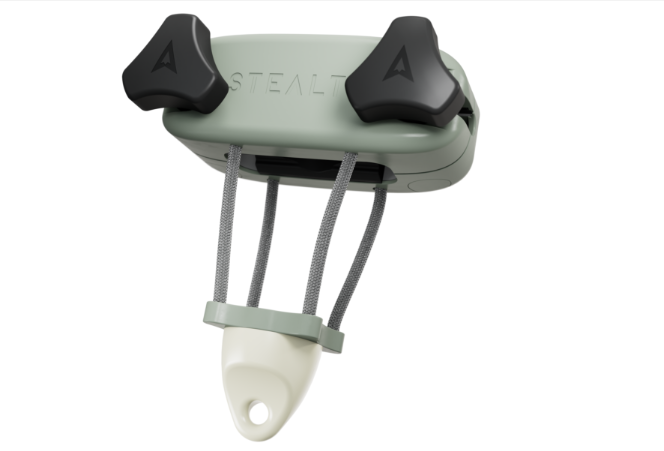
The Compression Hanger from Stealth for Men, for example, uses interchangeable silicone traction pads so the internal grip can be adjusted rather than relying on one completely fixed configuration.
The practical lesson extends beyond any particular product.
A compression system should fit the user rather than forcing the user to compensate for an unsuitable fit by dramatically increasing tightening pressure.
Why Girth Measurement Matters
Correct sizing starts before the device is attached.
For compression systems, girth is especially important because the hanger needs to create enough contact around the shaft to remain stable.
If the setup is too loose, the device may slide, rotate, or require excessive tightening.
If it is too restrictive, the user may experience uncomfortable pressure before meaningful traction is even introduced.
This is why measuring rather than guessing matters.
Men using Stealth products can also consult the company's size guide for Innerwear, Vac Hanger, and Compression Hanger, which explains how girth and device-specific fit differ between the three systems.
Sizing should be viewed as part of the setup—not simply as a purchasing decision.
Wrapping Is Part of the Grip System
A compression hanger does not depend solely on the hard components of the device.
The wrap also plays an important role.
An appropriate wrap can improve surface contact, help reduce friction, and provide another layer through which pressure can be distributed.
Poor wrapping, however, can create the opposite result.
If material bunches in one location, pressure may become concentrated there.
If the wrap is uneven, the hanger may sit at an angle.
If the wrap is too loose, the device may move under traction.
And if someone compensates for a bad wrap by aggressively tightening the hanger, the underlying setup problem remains.
This is why learning the wrapping process is often more valuable than immediately trying to increase traction.
Alignment Matters as Much as Grip
A hanger can remain attached and still be poorly aligned.
For example, imagine the device is tilted noticeably toward one side.
The weight may still hang from it, but the force is no longer being transferred as evenly through the setup.
This is one reason stabilization deserves attention when comparing compression hangers.
The Stealth Compression Hanger uses a stabilization platform with embedded para-cords intended to help limit unwanted device tilt and maintain straighter alignment under traction.
Regardless of the specific system being used, users should check alignment before progressing with a session.
Stable traction should look controlled rather than twisted or heavily angled.
Compression Hanger vs Vacuum Hanger
Choosing between compression and vacuum attachment largely comes down to how the user prefers the device to establish grip.
With compression hanging, the important variables include wrapping, pads, grip pressure, sizing, and alignment.
With vacuum hanging, the focus shifts more toward chamber sizing, seal integrity, suction level, and maintaining vacuum pressure.
That means the troubleshooting process is also different.
A slipping compression hanger might require the user to reassess wrapping, pad configuration, sizing, or positioning.
A vacuum hanger losing attachment might instead require inspection of the seal, valve, chamber size, or vacuum connection.
Anyone deciding between the two approaches should review a detailed Compression Hanger vs Vacuum Hanger comparison before assuming that one technology is automatically superior to the other.
The better option is generally the one whose attachment method the individual can understand, fit correctly, and use responsibly.
The Beginner Mistake of Chasing More Weight
Traction training can encourage a numbers-focused mindset.
Users may start thinking primarily about how much weight they are using or whether they can increase it during their next session.
That can become counterproductive.
A more important beginner milestone is being able to create the same stable setup repeatedly.
Can the hanger be positioned consistently?
Does it remain aligned?
Does the grip feel evenly distributed?
Can light traction be introduced without slipping?
Does the device remain comfortable enough to monitor throughout the session?
Until those basics are reliable, increasing load simply adds another variable to an already inconsistent setup.
Test the Grip Before Increasing Traction
A simple low-intensity check can reveal a lot about a compression setup.
Once the hanger is wrapped, positioned, and adjusted, introduce only light tension first.
Pay attention to whether the device shifts.
Check whether one side moves more than the other.
Look at whether the attachment stays straight.
Notice whether pressure feels concentrated in one location.
If the device immediately slides or rotates, increasing traction is unlikely to fix the underlying issue.
Instead, reassess the setup.
That might mean adjusting the wrap, changing the pad configuration, correcting alignment, or confirming that the device size is appropriate.
Comfort Is Useful Feedback
With compression-based equipment, the user should pay attention to physical feedback throughout the session.
A secure attachment does not mean ignoring pain.
Sharp discomfort, numbness, unusual coldness, significant discoloration, swelling, or loss of normal sensation are reasons to stop rather than continue simply because a planned session has not ended.
Research into penile traction therapy has primarily involved medical contexts such as Peyronie's disease, and available evidence should not be interpreted as proving that every consumer traction device or enlargement routine produces the same outcomes. Reported adverse effects in clinical traction studies have included temporary discomfort, discoloration, and altered sensation.
Anyone with a relevant medical condition, previous injury, recent surgery, circulation concern, or persistent symptoms should speak with an appropriate healthcare professional before using specialized traction equipment.
Consistency Beats Constant Adjustment
One sign of a good traction setup is that it becomes repeatable.
The user knows the correct wrapping method.
The pad configuration is established.
The device sits in roughly the same position each time.
The attachment remains balanced under conservative traction.
There is less need to interrupt the session to reposition equipment.
This repeatability matters because changing multiple variables from one session to another makes it difficult to understand which configuration is actually working comfortably.
Keeping notes can help.
Recording the pad configuration, wrap method, session duration, traction level, and any comfort issues gives the user something objective to compare with future sessions.
How Beginners Should Approach Compression Hanging
Beginners often benefit from thinking of the first sessions as setup practice rather than performance tests.
The immediate objective should be learning how the equipment behaves.
That means becoming familiar with measurement, wrapping, pad placement, positioning, tightening, attachment, and alignment.
A good Compression Hanger setup guide can help users understand those fundamentals before trying to build a more structured routine.
Once the setup becomes consistent, users are in a better position to understand what feels normal for them and identify when something has changed.
Maintenance Can Affect Grip Too
A device that originally worked well may eventually begin slipping.
That does not necessarily mean the user suddenly needs more compression.
Components should be inspected as part of troubleshooting.
Pads can collect residue.
Wrap material may wear.
Connection points should remain secure.
Any component involved in maintaining grip or alignment can influence the feel of the system.
Keeping equipment clean and following the manufacturer's maintenance instructions can therefore contribute to more consistent attachment.
Is a Compression Hanger Right for Everyone?
No traction device is appropriate for everyone.
A compression hanger may appeal to someone who prefers a mechanical attachment system and direct control over grip pressure.
A vacuum hanger may make more sense to someone who prefers a chamber and suction-based attachment.
Other users may not want session-based hanging equipment at all and may instead be researching lower-intensity wearable support.
Men who are still deciding where to begin can compare the best male enhancement devices for beginners and understand how Innerwear, vacuum systems, and compression hanging differ before committing to one approach.
The decision should be based on the type of routine, attachment method, comfort preference, and level of setup the user is prepared to learn.
Final Thoughts
A good compression-hanging setup is not defined by how aggressively the device is tightened or how much weight someone can attach to it.
The fundamentals come first.
Correct sizing creates the foundation.
Wrapping helps create consistent contact.
Traction pads help customize the internal grip.
Alignment helps keep the device stable.
Controlled tightening creates attachment without turning maximum pressure into the objective.
And conservative testing helps identify setup problems before more traction is introduced.
For men researching compression-based traction systems, understanding those principles is far more useful than focusing only on maximum load.
A Compression Hanger should ultimately be evaluated by how well its grip, sizing, pressure distribution, and stabilization features work together to create a controlled and repeatable setup.
With specialized traction equipment, precision should come before intensity.

 English
 Arabic
 French
 Spanish
 Portuguese
 Deutsch
 Turkish
 Dutch
Dutch
 Russian
 Romaian
 Portuguese (Brazil)
 Greek
Greek
 Bengali