


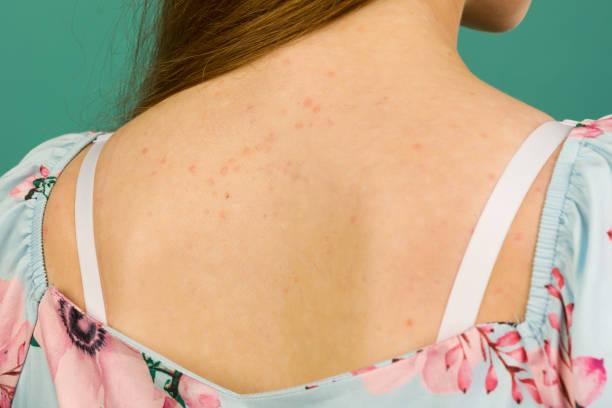
The Science Behind Back Acne
Before diving into treatment, it is essential to understand the pathophysiology of back acne. Acne develops when hair follicles become clogged with sebum (oil) and dead skin cells. This creates an environment where the bacterium Cutibacterium acnes (formerly Propionibacterium acnes) can proliferate, triggering inflammation. The back is particularly prone to acne due to its high density of sebaceous glands and the friction caused by clothing. How to Treat Back Acne effectively requires targeting these four factors: excess oil, dead skin cells, bacteria, and inflammation.
Evidence-Based Ingredients for Back Acne
Salicylic Acid (BHA)
The evidence: Salicylic acid is a beta-hydroxy acid that penetrates pores to dissolve excess oil and dead skin cells. Numerous studies have demonstrated its efficacy in treating comedonal acne (blackheads and whiteheads). It is oil-soluble, making it ideal for the thicker, oil-prone skin of the back.
How to use: Incorporate a salicylic acid body wash or spray into your daily routine. Allow it to sit on the skin for 1-2 minutes before rinsing for maximum absorption.
Benzoyl Peroxide
The evidence: Benzoyl peroxide is one of the most studied and effective ingredients for inflammatory acne. It works by killing acne-causing bacteria and reducing inflammation. Clinical trials consistently show significant reductions in acne lesions with regular use.
How to use: Use a benzoyl peroxide body wash or leave-on treatment. Start with a lower concentration (2.5% or 5%) to minimize irritation, and gradually increase as tolerated.
Retinoids (Adapalene, Tretinoin)
The evidence: Topical retinoids are considered the gold standard for acne treatment. They promote cell turnover, prevent follicular blockages, and have anti-inflammatory properties. Adapalene is available over-the-counter, while tretinoin requires a prescription.
How to use: Apply a thin layer of retinoid to clean, dry skin. Start by using it every other night to build tolerance, then increase to nightly use as your skin adjusts.
Alpha-Hydroxy Acids (AHAs)
The evidence: AHAs like glycolic acid and lactic acid exfoliate the skin's surface, removing dead skin cells and improving skin texture. While they are less effective at penetrating pores than BHAs, they can complement a BHA-based routine.
How to use: Use an AHA toner or lotion 2-3 times per week, alternating with other treatments.
Niacinamide
The evidence: Niacinamide (vitamin B3) reduces inflammation, regulates oil production, and supports the skin barrier. Studies show it is effective in reducing acne lesions and improving skin texture.
How to use: Apply a niacinamide serum or moisturizer daily. It pairs well with other active ingredients.
Azelaic Acid
The evidence: Azelaic acid has antibacterial, anti-inflammatory, and exfoliating properties. It is particularly effective for inflammatory acne and hyperpigmentation.
How to use: Apply a 10% azelaic acid cream to affected areas once or twice daily.
Building an Evidence-Based Skincare Routine
Step 1: Cleanse
Product: Salicylic acid or benzoyl peroxide body wash.
Application: Use in the shower, applying to damp skin and massaging gently. Leave on for 1-2 minutes before rinsing.
Step 2: Exfoliate (2-3 times per week)
Product: AHA or BHA toner or spray.
Application: Apply to clean, dry skin. Allow to absorb before moving to the next step.
Step 3: Treat
Product: Retinoid (adapalene or tretinoin) or benzoyl peroxide leave-on treatment.
Application: Apply a thin layer to the entire back or just to active areas. If using retinoids, apply only at night.
Step 4: Moisturize
Product: Lightweight, non-comedogenic moisturizer containing niacinamide or ceramides.
Application: Apply to the entire back to lock in hydration and maintain the skin barrier.
Step 5: Sunscreen (if exposed)
Product: Non-comedogenic SPF 30+ sunscreen.
Application: Apply to exposed skin as the final step in your morning routine.
Evidence-Based Lifestyle Modifications
Showering After Sweating
Sweat can exacerbate back acne by trapping bacteria and oil against the skin. Showering immediately after exercise removes sweat and reduces the risk of breakouts.
Wearing Breathable Fabrics
Tight, non-breathable fabrics trap heat and moisture, creating an ideal environment for bacterial growth. Opt for loose-fitting, cotton clothing when possible.
Avoiding Harsh Scrubbing
Physical exfoliation with loofahs or scrub brushes can irritate the skin and worsen acne. Stick to gentle chemical exfoliation instead.
Managing Stress
Chronic stress elevates cortisol, which can increase oil production and trigger acne. Incorporate stress-reduction techniques like meditation, exercise, or deep breathing.
Dietary Considerations
While the link between diet and acne is not fully established, some studies suggest that low-glycemic diets and reduced dairy intake may benefit some individuals.
When to Add Prescription Treatments
If over-the-counter options are insufficient after 8-12 weeks of consistent use, consult a dermatologist. Prescription options include:
-
Topical antibiotics: Clindamycin or erythromycin.
-
Oral antibiotics: Doxycycline or minocycline.
-
Oral retinoids: Isotretinoin for severe, treatment-resistant acne.
-
Hormonal treatments: For women with hormonal acne.
Monitoring Progress and Adjusting Treatment
Back acne improvement takes time. Monitor your progress every 4 weeks and adjust your routine based on results:
-
Decrease inflammation: You are on the right track.
-
New breakouts: May be purging or a reaction to a product. Consult your dermatologist.
-
Irritation: Reduce frequency or switch to gentler alternatives.
Evidence-Based Myth Busting
Myth: Natural ingredients are always better.
Fact: "Natural" does not mean safe or effective. Many natural ingredients lack scientific evidence for acne treatment.
Myth: You need to use all active ingredients daily.
Fact: Overusing active ingredients can damage the skin barrier. Evidence supports gradual introduction and occasional rest days.
Myth: Results should be immediate.
Fact: Clinical studies show significant improvement in acne typically takes 8-12 weeks of consistent use.
Book an appointment consultation
For those seeking expert guidance and customized aesthetic care, you can book an appointment consultation at the 'Enfield Royal Riyadh(إنفيلد رويال الرياض).
Frequently Asked Questions
What is the most evidence-based ingredient for back acne?
Salicylic acid and benzoyl peroxide are the most studied and effective over-the-counter ingredients for treating back acne.
How long does evidence-based treatment take to work?
Evidence-based treatments typically require 8-12 weeks of consistent use before significant improvement is visible.
Can I combine multiple active ingredients?
Yes, but introduce them gradually and use them at different times of day (e.g., benzoyl peroxide in the morning, retinoids at night).
Is prescription treatment more effective than over-the-counter?
For moderate to severe acne, prescription treatments like retinoids and antibiotics are more effective and often necessary for complete clearance.
What lifestyle changes are evidence-based for back acne?
Showering after sweating, wearing breathable fabrics, managing stress, and maintaining a balanced diet are supported by evidence.

 Arabic
 French
 Spanish
 Portuguese
 Deutsch
 Turkish
 Dutch
Dutch
 Italiano
 Russian
 Romaian
 Portuguese (Brazil)
 Greek
Greek
 Bengali