


How Much Muriatic Acid Pool Water Needs? A Safe Dosage Calculator Guide
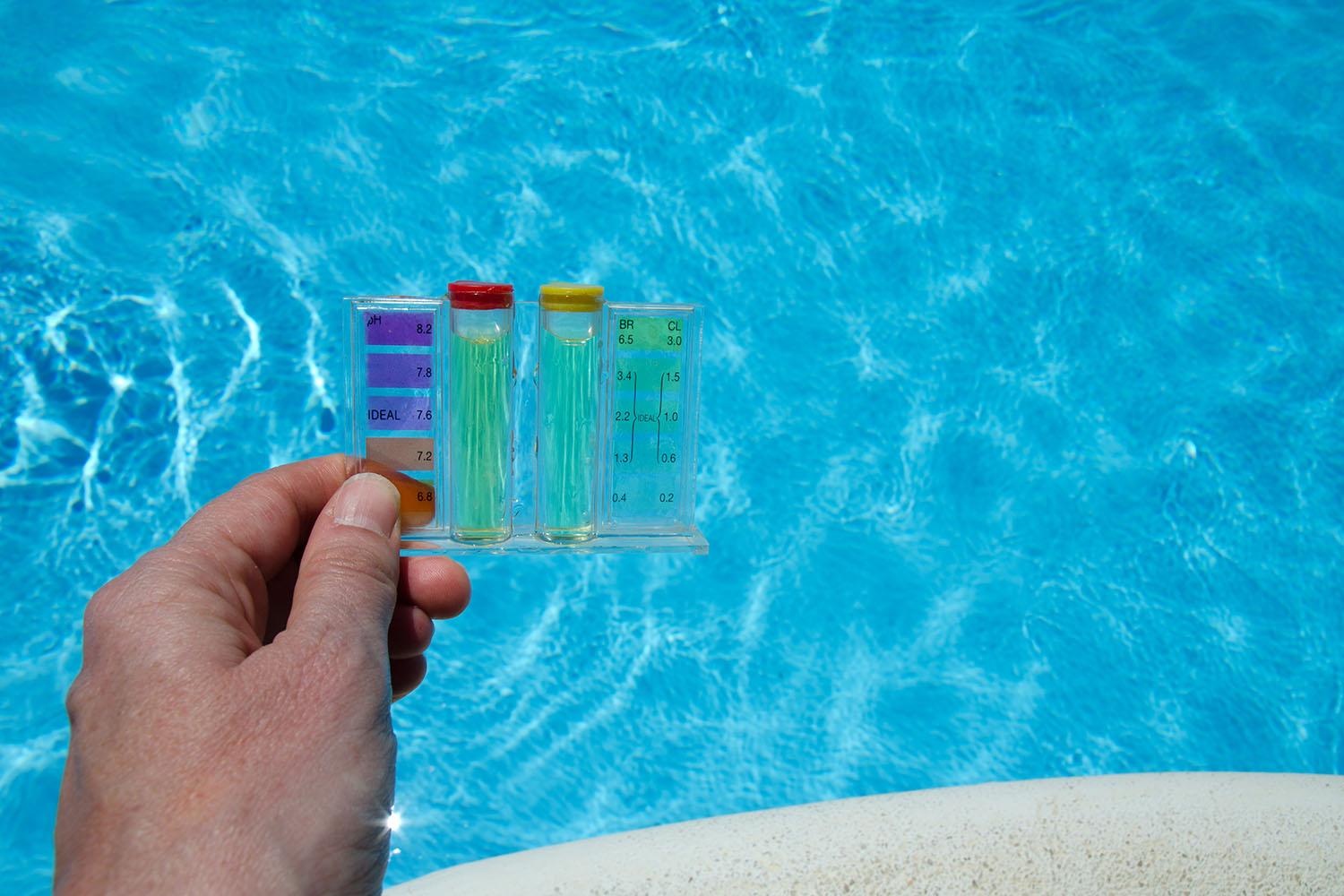
Knowing how much muriatic acid pool water needs can be challenging because the correct amount depends on several factors, including pool size, current pH, total alkalinity, and the strength of the product being used. Adding too little may not correct the imbalance, while adding too much can push the water into an overly acidic range. Muriatic acid is also corrosive, so careful handling is essential whenever it is used for pool maintenance. A reliable test result should always be the starting point rather than estimating the dosage from the pool's appearance. By understanding the calculation process, homeowners can make more controlled and informed adjustments.
Why Muriatic Acid Is Added to Pool Water
Muriatic acid is commonly used to lower high pH and reduce total alkalinity in swimming pool water. When pH becomes too high, swimmers may experience eye or skin discomfort, while the water can become more prone to scaling and reduced sanitizer efficiency. High alkalinity can also make pH difficult to control because the water resists changes. Adding an appropriate amount of acid can help bring these measurements toward the recommended range. However, the objective is controlled adjustment rather than lowering the chemistry as quickly as possible.
Before using any muriatic acid pool treatment, test the water with a dependable testing method. At minimum, homeowners should know the current pH and total alkalinity, while other water parameters can provide additional context. Pool volume also needs to be estimated as accurately as possible because the same amount of acid will affect a small pool much more than a large one. Product concentration matters as well, since muriatic acid is sold at different strengths. Always use the manufacturer's label as the primary dosing reference for the specific product you have purchased.
A Simple Muriatic Acid Dosage Calculation
A useful starting point for estimating an acid dose is to determine the pool's actual water volume and compare the current pH or alkalinity reading with the desired range. Pool volume can generally be estimated by multiplying average length, average width, and average depth, then applying the appropriate conversion factor for the pool's shape. Irregular pools may require dividing the pool into sections and calculating each section separately. Once the volume is known, use the dosing chart supplied by the acid manufacturer or a reputable pool-chemistry calculator. This is safer than relying on a universal amount that may not match your pool.
For example, a rectangular pool with an average depth of six feet and dimensions of 30 feet by 15 feet contains approximately 20,200 gallons of water. That figure is only an estimate because the actual water level, pool shape, benches, steps, and other features can change the volume. After determining the approximate volume, compare the current test readings with the manufacturer's dosage guidance. Do not assume that a particular number of ounces or cups is appropriate simply because it worked for another pool. The safest calculation is one based on your pool's measured conditions and the concentration printed on the product label.
How pH and Alkalinity Affect the Amount Needed
The amount of acid required is closely related to both pH and total alkalinity, but these measurements should not be treated as interchangeable. pH describes how acidic or basic the water is, while total alkalinity represents the water's ability to resist changes in pH. A pool with high alkalinity may require a different treatment approach than one with high pH but normal alkalinity. Lowering alkalinity often involves controlled acid additions followed by circulation and retesting. This process can take multiple adjustments rather than being completed with one large dose.
Homeowners should avoid trying to force both measurements into the desired range with a single aggressive treatment. If too much acid is added, pH can fall too low and create conditions that may be corrosive to certain equipment and surfaces. The better approach is to make measured adjustments, allow the water to circulate, and test again before deciding whether another adjustment is necessary. Pool chemistry also changes naturally because of aeration, rainfall, evaporation, swimmer activity, and other factors. A gradual process gives you more control over these changes.
Can Muriatic Acid Increase Alkalinity in a Pool?
Muriatic acid does not increase alkalinity in pool water; it is generally used to lower total alkalinity. Homeowners searching for ways to increase alkalinity in pool water should first test the current alkalinity level rather than adding acid. When alkalinity is already low, an alkalinity-increasing product may be appropriate depending on the test results and pool system. Sodium bicarbonate is commonly used for raising total alkalinity, but the correct amount should be determined from the pool volume, current reading, and product instructions. Using acid when alkalinity is low could make the imbalance worse.
This distinction is important because pH and alkalinity influence each other, yet correcting one does not automatically solve the other. A pool may have a pH that looks acceptable while total alkalinity is outside the recommended range. Similarly, adjusting alkalinity can cause pH to move, requiring further monitoring. Instead of chasing individual numbers, homeowners should evaluate the complete water chemistry picture. When test results are confusing or repeatedly move outside the desired range, professional water analysis can help identify the underlying reason.
Safe Ways to Add Muriatic Acid
Because muriatic acid is corrosive, safety should be treated as an essential part of the dosage process. Read the product label completely before opening the container, use the protective equipment recommended by the manufacturer, and work outdoors in a well-ventilated area. Keep children, pets, and unnecessary people away from the treatment area. Never mix muriatic acid directly with chlorine products or other pool chemicals because incompatible chemicals can produce dangerous reactions. Proper storage is equally important, and containers should remain closed and kept according to the manufacturer's storage recommendations.
Follow the manufacturer's instructions for whether the product should be added directly or diluted before application. Never improvise a dilution method or use a container that could react with the chemical. Add the product carefully according to the label and pool-equipment recommendations, allowing appropriate circulation afterward. Avoid splashing acid onto coping, decking, metal components, landscaping, clothing, or exposed skin. If you are uncertain about handling a corrosive chemical or interpreting your pool's test results, hiring a qualified pool professional is often the safest option.
How to Avoid Overdosing Your Pool
One of the most common mistakes with muriatic acid pool treatment is adding more because the first adjustment does not produce an immediate visible change. Pool chemistry does not always respond instantly, and water needs time to circulate thoroughly before a new test accurately reflects the adjustment. Adding another dose too quickly can drive pH lower than intended and potentially create problems with equipment, surfaces, and swimmer comfort. Always follow the product's recommended waiting and retesting procedure. Patience is an important part of safe pool chemistry.
It is also helpful to keep a simple record of pool volume, test results, chemical additions, and maintenance dates. These records can reveal whether your pool regularly develops high pH or alkalinity and may help identify patterns over time. If the same correction is needed repeatedly, investigate possible causes rather than continuing to add acid indefinitely. Aeration, water source, sanitizer type, and other maintenance conditions can influence pH behavior. A professional pool technician can evaluate recurring chemistry problems and determine whether equipment or water conditions are contributing to them.
Final Muriatic Acid Dosage Checklist
A safe approach to using muriatic acid begins with accurate testing and a realistic estimate of pool volume. Determine whether the problem involves high pH, high total alkalinity, or both, then consult the dosage information for the exact product being used. Make controlled adjustments instead of relying on a universal dosage or adding large amounts at once. Allow the water to circulate for the period recommended by the product or pool-equipment manufacturer before retesting. This process reduces the risk of overcorrection and provides clearer information about how the water is responding.
Remember that muriatic acid is a powerful chemical, not a routine substitute for balanced pool maintenance. Regular testing, proper sanitizer management, adequate circulation, filter care, and appropriate water replacement can help prevent major chemistry swings. If you need to increase alkalinity in pool water, use a product intended for that purpose rather than attempting to correct low alkalinity with acid. When measurements remain unpredictable or you are uncomfortable handling corrosive chemicals, professional pool service can provide a safer solution. Careful testing and gradual adjustments are the foundation of maintaining healthy, clear, and properly balanced pool water.

 English
 Arabic
 French
 Spanish
 Deutsch
 Turkish
 Dutch
Dutch
 Italiano
 Russian
 Romaian
 Portuguese (Brazil)
 Greek
Greek
 Bengali