


DBT Therapy and AI Therapist | Understanding Emotional Wellness in a Digital World

Emotions can sometimes feel difficult to understand, regulate, or communicate. When stress builds up, people may react impulsively, withdraw from others, or struggle to explain what they are feeling. Learning practical emotional skills can make these moments easier to navigate.
DBT therapy is one approach that focuses on developing skills for managing emotions, tolerating distress, improving relationships, and staying present. At the same time, technology has created new ways for people to practice self-reflection through tools such as an AI therapist.
Although these approaches serve different purposes, understanding how they differ can help people make more informed decisions about their mental wellness.
What Is DBT Therapy?
Dialectical Behavior Therapy, commonly known as DBT, is a structured form of cognitive behavioral therapy. It emphasizes balancing acceptance with positive change.
Rather than simply telling someone to stop experiencing difficult emotions, DBT encourages people to understand their experiences while learning practical ways to respond differently.
DBT commonly teaches skills across four major areas:
- Mindfulness: Paying attention to the present moment without immediately judging the experience.
- Distress tolerance: Developing healthier ways to cope with difficult situations and intense emotions.
- Emotion regulation: Recognizing emotions and learning strategies to respond to them more effectively.
- Interpersonal effectiveness: Communicating needs, maintaining boundaries, and navigating relationships more effectively.
These skills can be useful for people who want a more structured approach to emotional awareness and coping.
Why Emotional Skills Matter in Everyday Life
Emotional regulation is not only relevant during major mental health challenges. Everyday experiences can trigger strong reactions.
A difficult conversation with a partner, pressure at work, uncertainty about the future, or a stressful family situation can quickly affect someone's mood.
Learning to pause before reacting can create space between an emotional trigger and a response. That space can make it easier to consider what is happening, identify what you need, and choose a healthier next step.
This is one reason skills-based approaches can be valuable for personal development as well as clinical treatment when appropriately provided by trained professionals.
Where an AI Therapist Fits In
An AI therapist is an AI-powered conversational system designed to provide supportive interactions, reflection prompts, or wellness guidance.
It can be available at times when a person simply wants to put their thoughts into words. For example, someone might use an AI conversation after a stressful day to describe what happened and organize their thoughts.
AI wellness tools may also provide journaling prompts, mindfulness exercises, breathing activities, or questions that encourage self-reflection.
However, an AI therapist should not be considered equivalent to a licensed therapist. AI cannot replace professional assessment, diagnosis, individualized psychotherapy, or emergency mental health care.
Using Digital Support to Practice Emotional Awareness
One practical benefit of conversational technology is accessibility. People may find it easier to start typing about their feelings than to immediately speak with another person.
For example, after an argument, a person could reflect on:
What happened?
What specifically triggered the emotional response?
What am I feeling?
Is the emotion anger, disappointment, fear, embarrassment, sadness, or something else?
What do I need right now?
Would taking a break, journaling, breathing, or talking to someone help?
These questions do not constitute DBT treatment, but they can encourage a more deliberate approach to emotional experiences.
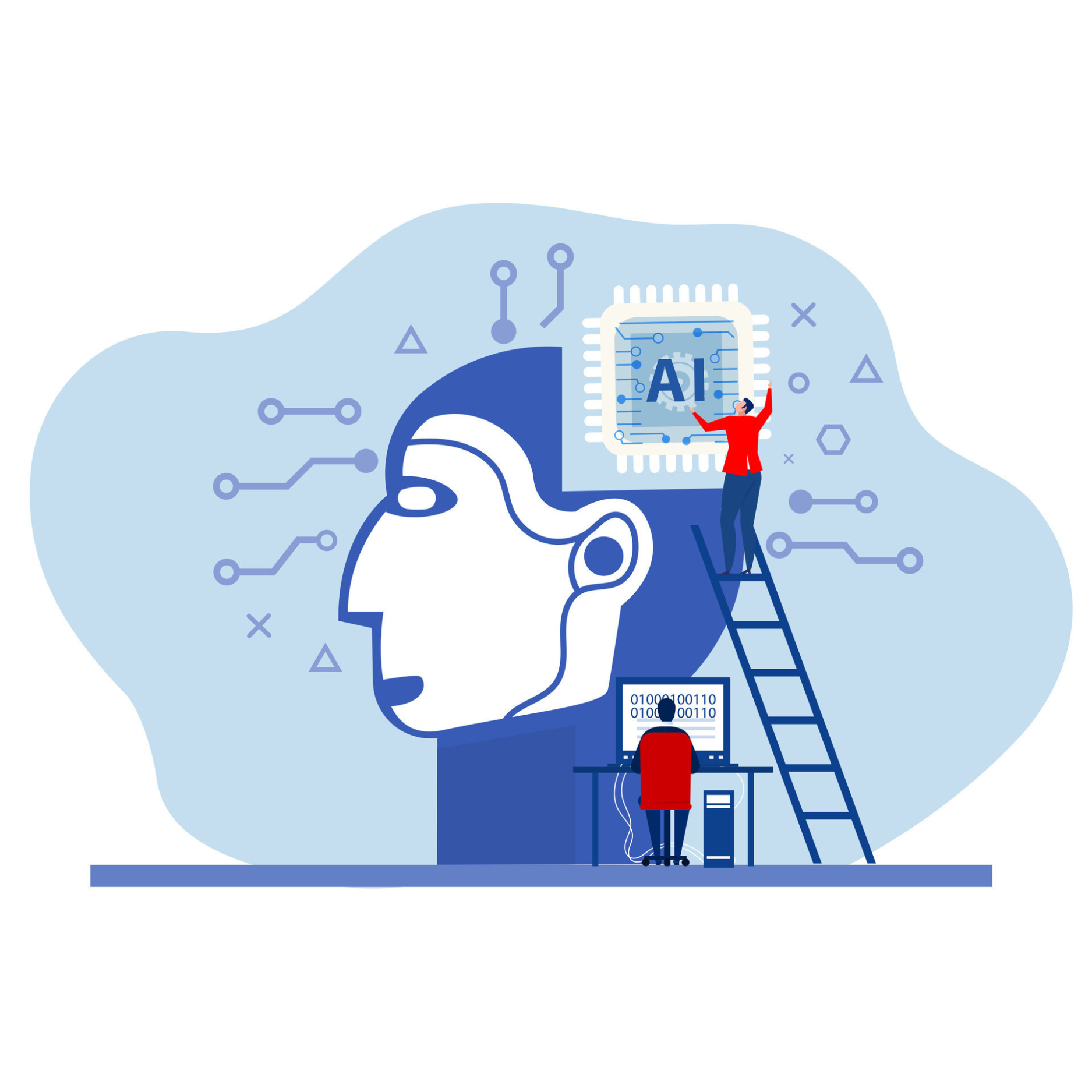
Wellzy and AI-Powered Mental Wellness
Wellzy provides an AI-powered mental wellness experience designed for accessible emotional support and self-reflection.
Its tools include AI conversations, mood check-ins, journaling, guided breathing, meditation, and other wellness-focused activities. These features can help users create small moments of reflection throughout their day.
Someone exploring an AI therapist may use this type of platform to organize thoughts, reflect on emotions, or practice wellness habits.
Wellzy also makes an important distinction: AI wellness support is not a replacement for licensed therapy or crisis services. When professional treatment is needed, working with a qualified mental health professional remains important.
DBT and AI Are Not the Same Thing
It is important not to treat DBT therapy and AI wellness tools as interchangeable.
DBT is a clinical therapy approach delivered by appropriately trained professionals. It can involve structured treatment, skills training, therapist guidance, and individualized care.
An AI tool, by contrast, can offer conversational support and self-guided wellness activities. It does not have the professional judgment or therapeutic relationship of a licensed clinician.
The two therefore belong in different categories. AI may help someone practice reflection or prepare for a conversation with a therapist, but it should not be presented as delivering clinical DBT treatment.
Choosing the Right Type of Support
The right resource depends on what someone is experiencing.
For everyday stress, self-reflection, journaling, or mindfulness practice, digital wellness tools may be a convenient option.
For persistent emotional difficulties, relationship problems, trauma-related concerns, or symptoms that interfere with daily life, a licensed therapist can provide individualized support and determine what type of treatment may be appropriate.
People should also consider privacy policies, transparency, professional credentials, and the limitations of any mental wellness service they use.
Final Thoughts
Emotional wellness often develops through small, consistent habits: noticing feelings, understanding triggers, pausing before reacting, communicating clearly, and asking for support when necessary.
DBT therapy offers a structured therapeutic framework for learning emotional and interpersonal skills, while an AI therapist can provide accessible conversational support and self-reflection tools.
Used responsibly, digital wellness technology can complement a person's broader support system. But when professional mental health treatment is needed, technology should remain a supplement rather than a substitute for qualified care.
If someone is experiencing an immediate crisis or may be at risk of harming themselves or someone else, they should seek urgent professional or emergency assistance rather than relying on an AI tool.
Social Media Content
Instagram: https://www.instagram.com/wellzycare
Linkedin: https://www.linkedin.com/company/wellzy
youtube: https://www.youtube.com/@Wellzycare
"Discover an AI therapist for a safe, supportive space to express your thoughts, manage emotions, and build healthier mental wellness habits anytime."

 English
 Arabic
 French
 Spanish
 Portuguese
 Deutsch
 Turkish
 Dutch
Dutch
 Italiano
 Russian
 Romaian
 Greek
Greek
 Bengali