


Components of Oil and Gas Equipment: A Practical Guide
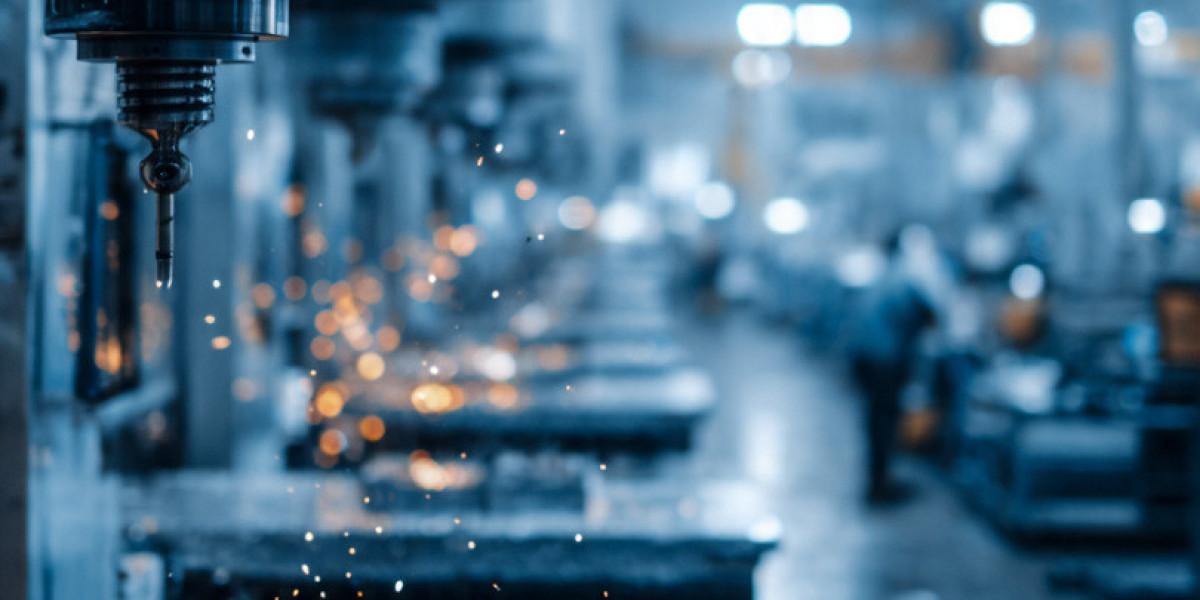
Behind every reliable valve, flange, or wellhead assembly sits a machining process capable of holding tolerances most other manufacturing methods can't match. The components of oil and gas industry equipment depend heavily on CNC technology because manual machining simply can't repeat the same precision across hundreds of parts. This article looks at how CNC processes are applied across the sector and what buyers should understand about machined part quality.
Why CNC Is the Default Choice for Oilfield Parts
Computer-controlled machining removes the variability that comes with manual operation, which matters enormously when the components of oil & gas industry equipment must interlock with pressure vessels, pipelines, and rotating machinery. A CNC mill or lathe follows a programmed toolpath repeatedly, so the tenth part off the line matches the first within microns.
This consistency is why precision CNC machining has become the standard for producing flanges, valve bodies, and connector fittings rather than relying on manual turning or casting alone. It also allows manufacturers to hold multiple tight tolerances on a single part without introducing human error between operations.
The Machining Process Behind Wellhead and Valve Components
A typical wellhead component starts as billet stock, usually a corrosion-resistant alloy, and goes through multiple CNC operations: rough turning to remove bulk material, precision boring for internal diameters, and finish milling for sealing surfaces. Valve bodies often require five-axis machining to reach internal cavities that a simple 3-axis setup can't access.
Throughout each stage, in-process inspection checks dimensions against the drawing, catching deviations before the part reaches final assembly. This level of control is what separates shops equipped for precision CNC machining from general fabrication outfits that lack the tooling for internal geometry work.
Material Considerations for Machined Oil and Gas Parts
Material choice directly affects how a part is machined, since harder alloys require slower cutting speeds and different tooling. Common materials across the components of oil & gas industry equipment include:
-
Duplex and super duplex stainless steel for corrosion resistance
-
Inconel and other nickel alloys for high-temperature service
-
Carbon steel for lower-pressure, cost-sensitive applications
-
Bronze and brass for certain valve trim components
Machinists adjust feed rates and coolant strategy for each material to avoid work-hardening the surface, which can compromise a part's fatigue resistance over its service life. Tool selection changes with material too, since carbide inserts that cut through carbon steel efficiently will wear down quickly against nickel alloys, so a shop familiar with oilfield materials typically keeps a dedicated tooling set for each alloy family rather than switching inserts on the fly.
Quality Control and Traceability in Precision Machining
Oil and gas operators typically require material certifications, dimensional inspection reports, and sometimes non-destructive testing before a machined part is accepted. Coordinate measuring machines (CMMs) verify critical dimensions against the original CAD model, and any part outside tolerance is flagged before it ships.
Traceability matters just as much as the machining itself, since audits often ask for a documented chain from raw material heat number to finished part. Suppliers offering precision CNC machine alongside full documentation packages save operators significant time during compliance reviews, particularly during scheduled audits where missing paperwork can hold up equipment approval.
Conclusion
CNC technology is what makes the components of oil and gas industry equipment consistent, repeatable, and safe to deploy in high-pressure environments. From wellheads to valve trim, the difference between a part that lasts years and one that fails prematurely often comes down to the machining process behind it. If your project needs machined components built to oilfield tolerances, it's worth talking to a shop that can walk you through their precision CNC machining capabilities and quality documentation before you commit to an order.
FAQs
1. Why is CNC machining preferred over casting for oil and gas parts?
CNC machining offers tighter, more repeatable tolerances than casting, which matters for sealing surfaces and pressure-rated components.
2. What tolerances are typical for oilfield machined parts?
Many critical dimensions are held within a few thousandths of an inch, though exact tolerances depend on the part's function and pressure rating.
3. Does five-axis machining matter for valve components?
Yes, it allows machinists to reach internal cavities and angled surfaces in a single setup, improving accuracy and reducing lead time.
4. What documentation should accompany machined oil and gas parts?
Material certifications, dimensional inspection reports, and sometimes NDT results are standard requirements for regulated oil and gas applications.

 Arabic
 French
 Spanish
 Portuguese
 Deutsch
 Turkish
 Dutch
Dutch
 Italiano
 Russian
 Romaian
 Portuguese (Brazil)
 Greek
Greek
 Bengali