


Advanced Conductivity and Strength for Modern Railway Systems
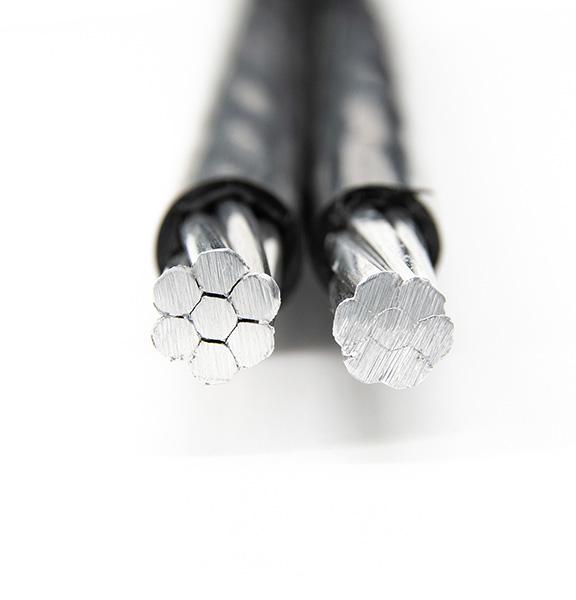
Modern electrified railways depend on reliable electrical infrastructure to deliver consistent power and support efficient transportation. A high-quality contact wire plays an essential role in transferring electrical energy between overhead systems and railway vehicles. For demanding railway applications, selecting a suitable material can contribute to dependable performance, durability, and long-term operational efficiency.
Combining Electrical Conductivity With Strength
Copper is widely recognized for its excellent electrical conductivity, but demanding railway environments also require mechanical strength and resistance to wear. Copper-chromium-zirconium alloys are developed to provide a useful combination of electrical and mechanical properties. This makes them particularly attractive for applications where the conductor must withstand continuous mechanical stress while maintaining efficient electrical performance.
The alloy's strengthened structure can help it perform under challenging operating conditions. Its combination of conductivity, strength, and durability makes it suitable for railway electrification projects where dependable overhead conductors are essential.
Designed for Demanding Railway Applications
Railway contact wires operate under continuous mechanical and electrical demands. They interact with current collection equipment while being exposed to vibration, environmental conditions, and repeated operational cycles. These requirements make material selection an important consideration during infrastructure planning.
Copper-chromium-zirconium alloy contact wires are designed for applications where improved mechanical performance is needed without sacrificing the electrical characteristics expected from copper-based conductors. Their balanced properties can support stable power transmission and help infrastructure operators pursue reliable railway operations.
Supporting High-Speed Transportation
As railway networks continue to develop, electrification systems must keep pace with increasing operational requirements. High-speed rail and modern urban transit systems require overhead conductors capable of maintaining dependable contact and efficient energy transfer.
A suitably engineered alloy contact wire can contribute to the overall performance of an electrification system. High strength and resistance to wear are particularly valuable in applications where equipment operates frequently and infrastructure is expected to deliver consistent performance over extended periods.
Durability for Long-Term Performance
Infrastructure investments should be evaluated with long-term performance in mind. Contact wires are exposed to repeated mechanical interaction and environmental stresses, so durability can influence maintenance requirements and operational reliability.
Copper-chromium-zirconium alloys offer a practical solution for applications requiring a stronger alternative to conventional copper while retaining useful conductivity. Their properties can help support demanding railway environments and contribute to the service life of overhead electrical systems.
Choosing a Reliable Material Solution
Selecting the right contact wire involves considering electrical requirements, mechanical demands, operating conditions, and the characteristics of the railway system. A well-engineered copper alloy can provide an effective balance between conductivity and strength, helping infrastructure developers meet the requirements of modern electrified transportation.
For railway projects focused on efficiency, durability, and dependable power transmission, choosing an appropriately manufactured alloy conductor can make an important difference. Quality materials can support reliable infrastructure while helping operators maintain consistent service.
Building Better Electrified Rail Networks
Reliable overhead electrification is fundamental to the continued development of electric rail transportation. With increasing expectations for efficiency and performance, advanced copper alloys provide valuable options for demanding railway applications. A high-performance contact wire can help support efficient power transfer, mechanical durability, and dependable operation across modern railway networks.

 English
 Arabic
 Spanish
 Portuguese
 Deutsch
 Turkish
 Dutch
Dutch
 Italiano
 Russian
 Romaian
 Portuguese (Brazil)
 Greek
Greek
 Bengali