


What Happens If You Delay a Root Canal?
Hearing the words "root canal" can make many people feel anxious, causing them to postpone treatment in the hope that the pain will go away on its own.
Unfortunately, an infected tooth doesn't heal without professional care.
While the discomfort may temporarily lessen, the underlying infection can continue spreading, leading to more serious dental problems.
A root canal is designed to remove infection from inside the tooth, preserve its natural structure, and prevent further complications. Delaying treatment can make the procedure more complex and may even result in the loss of the tooth.
If your dentist has recommended a root canal in Perth, understanding the risks of waiting can help you make an informed decision about your oral health.
Why Is a Root Canal Needed?
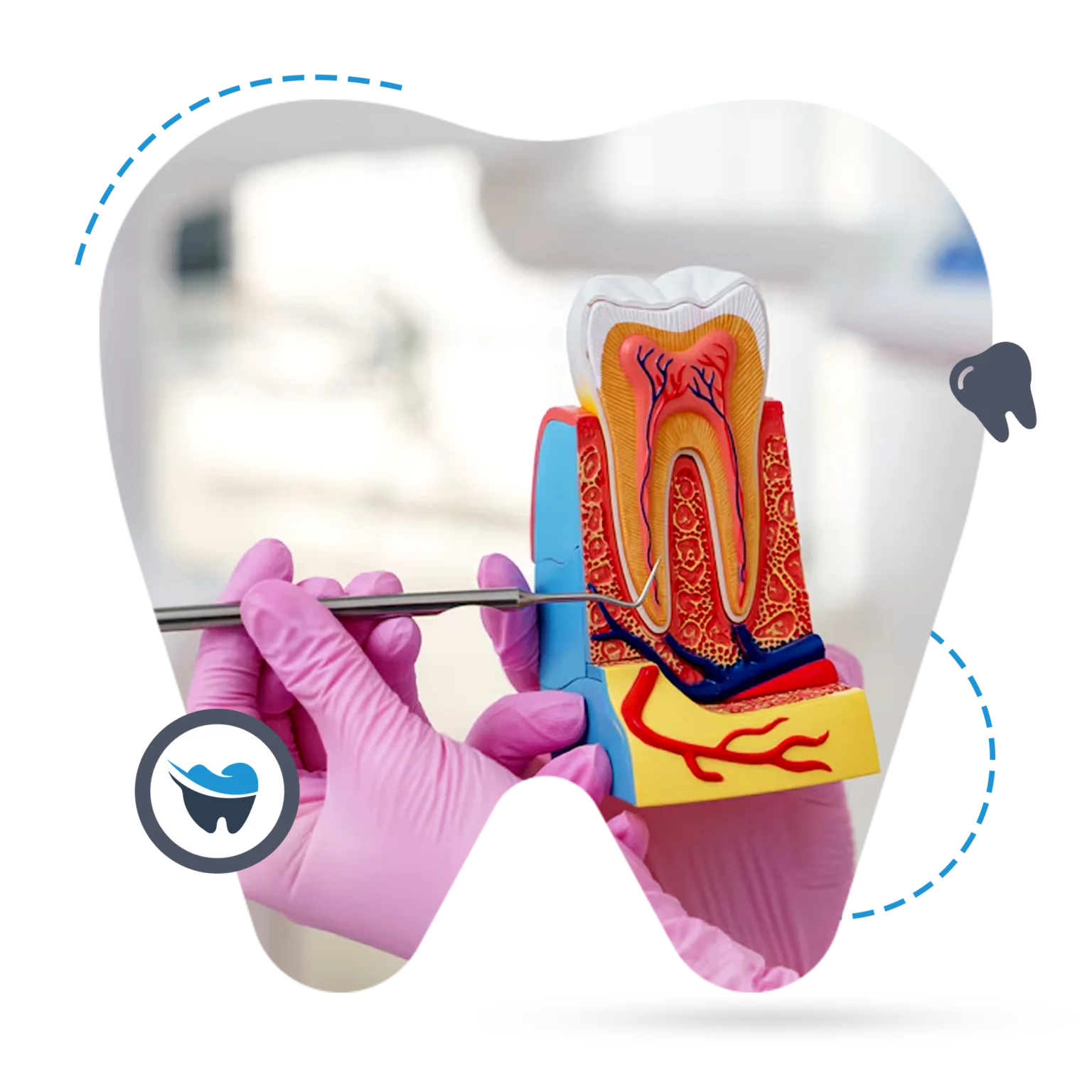
Inside every tooth is a soft tissue called the dental pulp, which contains nerves and blood vessels. When this pulp becomes infected due to deep decay, repeated dental procedures, cracks, or trauma, bacteria can multiply inside the tooth.
Because the pulp cannot heal once it's severely infected, the damaged tissue needs to be removed to stop the infection from spreading. A root canal cleans and disinfects the inside of the tooth before sealing it to protect against future infection.
Without treatment, the infection continues to progress.

The Infection Won't Go Away on Its Own
One of the biggest misconceptions is that dental pain disappearing means the problem has resolved.
In reality, the nerve inside the tooth may have died, causing the pain to reduce while the infection continues spreading into the surrounding tissues. This can create a false sense of relief even though the condition is becoming more serious.
Ignoring an infected tooth gives bacteria more time to damage the tooth and surrounding structures.
Pain Often Becomes More Severe
-
Increasing Tooth Sensitivity
In the early stages, you may notice sensitivity to hot or cold foods and drinks. As the infection progresses, the tooth can become increasingly painful, especially when chewing or biting.
The discomfort may begin as occasional sensitivity but often develops into persistent or throbbing pain that interferes with eating, sleeping, or concentrating.
-
Swelling Around the Tooth
As bacteria spread beyond the tooth, inflammation may develop in the surrounding gums or jaw. Swelling can range from mild tenderness to noticeable facial swelling that requires prompt dental attention.
The Infection Can Spread Beyond the Tooth
An untreated infection doesn't remain confined to the tooth.
Over time, bacteria may spread into the surrounding bone and soft tissues, increasing the risk of complications. This may lead to the formation of a dental abscess, a pocket of infection that can cause severe pain, swelling, and drainage.
In advanced cases, the infection may damage the bone supporting the tooth, making treatment more difficult and increasing the likelihood of tooth loss.
Delaying Treatment Can Lead to Tooth Loss
One of the primary goals of a root canal is to save your natural tooth.
When treatment is delayed for too long, the infection may weaken the tooth or destroy too much surrounding bone to allow successful treatment. In these situations, extraction may become the only remaining option.
Saving your natural tooth is generally preferable because it helps maintain proper chewing function, preserves jawbone health, and prevents neighbouring teeth from shifting out of position.
Treatment May Become More Complex
The earlier an infected tooth is treated, the more straightforward the procedure often is.
As infection progresses, additional complications may develop that require more extensive treatment. This could include:
- Managing a dental abscess.
- Treating surrounding bone infection.
- Multiple appointments.
- Additional restorative procedures.
- Tooth replacement if extraction becomes necessary.
Prompt treatment often leads to a simpler recovery and better long-term outcomes.
Daily Activities Can Become Difficult
An untreated infected tooth can affect more than your oral health.
Many people experience:
- Difficulty chewing.
- Pain while eating.
- Sensitivity to hot and cold.
- Trouble sleeping due to tooth pain.
- Difficulty concentrating at work or school.
As symptoms worsen, everyday activities become increasingly uncomfortable.
Root Canal Treatment Is Designed to Relieve Pain
Many people associate root canals with pain, but modern dentistry has changed significantly.
Today's root canal procedures are performed using advanced techniques and local anaesthesia to keep patients comfortable throughout treatment. In fact, the purpose of the procedure is to eliminate the source of pain, not create it.
For many patients, the relief experienced after treatment is far greater than the temporary discomfort associated with the procedure itself.
Can Antibiotics Replace a Root Canal?
Some patients hope antibiotics alone will solve the problem.
While antibiotics may temporarily reduce swelling in certain situations, they cannot remove infected tissue from inside the tooth. Once the dental pulp is infected, the bacteria remain protected within the tooth structure.
A root canal Perth addresses the source of the infection by cleaning and sealing the tooth, making it the most effective way to preserve the natural tooth in many cases.
Signs You Shouldn't Ignore
Contact your dentist promptly if you experience:
- Persistent toothache.
- Pain when chewing.
- Sensitivity to hot or cold that lingers.
- Swollen or tender gums.
- A small pimple-like bump on the gums.
- Tooth discolouration.
- Facial swelling.
These symptoms don't always mean a root canal is required, but they do indicate that the tooth should be professionally assessed as soon as possible.
What Happens During a Root Canal?
Many patients feel more comfortable once they understand the process.
During treatment, the dentist carefully removes the infected pulp, cleans and disinfects the root canals, and seals the inside of the tooth to prevent future infection. In many cases, a dental crown is later placed to strengthen and protect the treated tooth.
The procedure is focused on preserving your natural tooth while restoring normal function.
Choosing the Right Dentist for Root Canal Treatment
When searching for root canal Perth, choose a dental clinic that prioritises accurate diagnosis, patient comfort, and personalised care.
An experienced dental team will explain your treatment options clearly, answer your questions, and use modern techniques to make the procedure as comfortable as possible.
Early intervention not only improves the chances of saving your tooth but also helps minimise discomfort and future complications.
Conclusion
Delaying a root canal may seem harmless, especially if the pain temporarily subsides, but the underlying infection can continue spreading and become much more difficult to treat.
Acting early helps preserve your natural tooth, relieve discomfort, prevent complications, and avoid more extensive dental treatment in the future.
At Iluka Dental Centre, we provide compassionate, patient-focused root canal treatment using modern techniques designed to preserve your natural teeth while keeping you comfortable throughout the process.
Our experienced dental team takes the time to explain every step of your treatment, helping you restore your oral health with confidence and personalised care.
Experiencing persistent tooth pain or concerned about an infected tooth? Contact Iluka Dental Centre today to book a consultation for root canal Perth.
Early treatment can help save your natural tooth and restore your smile before the problem becomes more serious.

 English
 Arabic
 Spanish
 Portuguese
 Deutsch
 Turkish
 Dutch
Dutch
 Italiano
 Russian
 Romaian
 Portuguese (Brazil)
 Greek
Greek
 Bengali