


How Should You Sleep After a Hair Transplant? Essential Recovery Tips
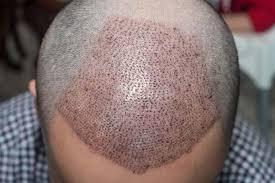
A hair transplant is a carefully performed hair restoration procedure in which healthy hair follicles are moved from a donor area to areas affected by thinning or hair loss. While the procedure itself is important, what you do during recovery also plays a major role in protecting the newly transplanted grafts.
One of the most common questions patients have is, “How should I sleep after a Hair Transplant in Dubai?” The answer is generally to keep your head elevated and avoid putting pressure or friction on the transplanted area, particularly during the first several nights.
Following your clinic's specific aftercare instructions is essential because recovery recommendations can vary depending on the transplant technique, number of grafts, and individual healing response.
Why Is Sleeping Position Important After a Hair Transplant?
Newly transplanted grafts need time to settle into their recipient sites. Excessive pressure, rubbing, or accidental scratching can irritate the scalp and interfere with comfortable healing.
Sleeping with your head elevated can also help minimize postoperative swelling. Some patients experience swelling around the forehead or upper face during the first few days, and keeping the head above the level of the heart may help reduce fluid accumulation.
For these reasons, your sleeping position is an important part of hair transplant recovery.
What Is the Best Sleeping Position After a Hair Transplant?
Sleep on Your Back
Sleeping on your back is usually recommended during the initial recovery period. This position helps keep the transplanted area from directly contacting your pillow.
If your procedure involved the front or top of the scalp, sleeping on your back can provide additional protection for the recipient area.
Keep Your Head Elevated
Use one or more pillows or a suitable wedge pillow to keep your head elevated while resting. A comfortable elevation can help reduce swelling and may make the first few nights easier.
Avoid creating an uncomfortable angle that strains your neck. The goal is gentle elevation while maintaining a relaxed sleeping position.
Avoid Sleeping on Your Stomach
Sleeping face down is generally not recommended immediately after a hair transplant. This position can increase contact between your head and the pillow and may put unnecessary pressure on the scalp.
It can also make it easier to accidentally rub or disturb the treated area during sleep.
How Long Should You Sleep Elevated After a Hair Transplant?
The exact duration depends on your procedure and your clinic's instructions. Many hair restoration specialists recommend sleeping with the head elevated for several nights, particularly while swelling is present.
The first few nights deserve extra attention because the scalp may be sensitive and the grafts are still healing.
Once your hair transplant specialist confirms that the grafts are sufficiently secure, you can gradually return to your normal sleeping position.
Essential Sleeping Tips for Hair Transplant Recovery
A few simple precautions can make nighttime recovery more comfortable:
- Use a clean pillowcase to maintain good scalp hygiene.
- Avoid touching or scratching the transplanted area while sleeping.
- Consider a travel or neck pillow if it helps prevent excessive head movement.
- Keep your sleeping area comfortable and cool if your scalp feels warm or sensitive.
- Follow your prescribed washing instructions rather than washing or rubbing the scalp independently.
- Avoid sleeping directly on the recipient area until your specialist says it is safe.
- Take medications exactly as instructed if your treatment provider has recommended any.
- Contact your clinic if you notice unusual symptoms, such as significant bleeding, worsening pain, or signs of infection.
Remember that these are general recovery measures. Your own provider's instructions should take priority.
What Should You Avoid While Sleeping?
During the early recovery period, avoid anything that could create unnecessary pressure or friction on the scalp.
This includes repeatedly turning onto the transplanted area, using rough bedding, scratching the scalp, or wearing anything that has not been approved by your treatment provider.
You should also avoid sleeping immediately after strenuous activities that may increase sweating or discomfort if your clinic has advised you to limit physical activity.
Hair Transplant Recovery and Graft Protection
Successful hair restoration involves more than the surgical procedure. Graft protection, scalp hygiene, nutrition, activity restrictions, and follow-up care can all contribute to a well-managed recovery.
It is normal for transplanted hairs to go through temporary shedding after a hair transplant. This process, commonly called shock loss or shedding, does not necessarily mean that the transplant has failed. New growth generally takes time, and visible improvement develops gradually.
Patience is therefore an important part of the hair restoration journey.
Hair Transplant Care at Tajmeels Clinic
Choosing an experienced hair restoration provider can make the recovery process easier to understand. At Tajmeels clinic , patients can receive individualized guidance based on their procedure, scalp condition, and recovery progress. Proper aftercare instructions can cover sleeping position, scalp washing, activity restrictions, and follow-up appointments so patients know how to protect their transplanted grafts throughout the healing process.
A personalized approach is particularly useful because every patient's hair loss pattern and healing response can be different.
Frequently Asked Questions
Can I sleep normally after a hair transplant?
Not immediately. During the early recovery period, you will generally need to modify your sleeping position to avoid pressure and friction on the transplanted area. Follow your clinic's specific instructions.
Can I sleep on my side after a hair transplant?
Side sleeping may put pressure on certain areas of the scalp. It is usually better to sleep on your back initially and return to side sleeping only when your hair transplant provider considers it safe.
How many pillows should I use after a hair transplant?
There is no universal number. Use enough pillows or a wedge to comfortably elevate your head without putting strain on your neck.
Can I accidentally damage hair grafts while sleeping?
Excessive rubbing, scratching, or pressure can irritate the treated area. Taking precautions such as sleeping on your back and keeping your head elevated can help protect the grafts.
Conclusion
Knowing how to sleep after a hair transplant is a simple but important part of recovery. Sleeping on your back, keeping your head gently elevated, avoiding pressure on the transplanted area, and following your provider's aftercare instructions can help create a more comfortable healing period.
Most importantly, do not rush the recovery process. Hair restoration results develop gradually, and following professional guidance throughout the healing period can help you protect your investment in the procedure. If you are considering a hair transplant in Dubai, a qualified hair restoration clinic can assess your needs and provide personalized treatment and aftercare guidance.
More Information
Tajmeels Clinic Dubai
WhatsApp: +971 56 203 8751
Phone: tel:+971 43739000
Social Media:

 Arabic
 French
 Spanish
 Portuguese
 Deutsch
 Turkish
 Dutch
Dutch
 Italiano
 Russian
 Romaian
 Portuguese (Brazil)
 Greek
Greek
 Bengali