Deciding to remove a tattoo is a significant choice, and one of the first questions people ask is how long the process will take. While modern laser tattoo removal can produce impressive results, removing tattoo ink is rarely a one-time procedure. Most people need several treatment sessions to achieve substantial fading or, in some cases, complete removal.
The exact number of sessions depends on several factors, including the tattoo's color, size, age, location, ink type, and your body's natural healing response. Understanding these factors can help you develop realistic expectations before beginning treatment.
Why Does Tattoo Removal Require Multiple Sessions?
Tattoo ink sits beneath the surface of the skin, making it difficult to remove all at once. During laser tattoo removal, concentrated laser energy targets the tattoo pigment and breaks larger ink particles into smaller fragments.
After treatment, your immune system gradually removes these fragmented particles. This process takes time, which is why another laser session cannot usually be performed immediately.
Each treatment works on the remaining pigment, allowing the tattoo to gradually become lighter. Spacing treatments appropriately also gives the skin enough time to recover and reduces the risk of unnecessary irritation.
How Many Sessions Are Typically Needed?
There is no fixed number of treatments that applies to every tattoo. Some tattoos may require only a few sessions to achieve significant fading, while others can require many more.
As a general expectation, people often need multiple sessions, commonly several treatments spaced weeks apart. Tattoos with dense professional ink may take considerably longer to fade than smaller or lighter tattoos.
A qualified practitioner can assess your tattoo and provide a more personalized estimate after examining the ink, skin, and treatment area.
What Factors Affect the Number of Sessions?
Several characteristics can influence how quickly a tattoo responds to laser tattoo removal.
Tattoo Color
Different ink colors absorb laser wavelengths differently. Black and other dark pigments often respond well to appropriate laser wavelengths. Certain lighter or bright colors may be more difficult to treat and could require specialized laser settings.
Tattoo Size
Larger tattoos naturally contain more pigment, which can increase the overall treatment time. However, size alone does not determine the number of sessions because ink density and color also matter.
Ink Density
A tattoo containing thick, heavily saturated ink may require more sessions than one with thin or lightly applied pigment. Professional tattoos often have deeper and denser ink compared with some amateur tattoos.
Tattoo Age
Older tattoos may sometimes fade more easily because the body has already broken down a portion of the pigment over time. However, an older tattoo is not automatically easier to remove.
Tattoo Location
The body's ability to clear fragmented ink can vary depending on where the tattoo is located. Tattoos on areas with good circulation may respond differently from those on areas farther from the body's central circulation.
Skin Type
Skin tone and individual skin characteristics can influence which laser settings and wavelengths are appropriate. A trained professional will consider your skin type when developing a treatment plan.
How Long Should You Wait Between Sessions?
Allowing enough time between laser tattoo removal appointments is essential. The skin needs time to recover, while the immune system needs time to clear the fragmented pigment.
Treatment schedules vary, but sessions are often separated by several weeks. Treating the tattoo too frequently does not necessarily speed up removal. In fact, insufficient recovery time may increase irritation and other unwanted skin reactions.
Your practitioner should determine the appropriate interval based on how your skin responds to each session.
Will the Tattoo Completely Disappear?
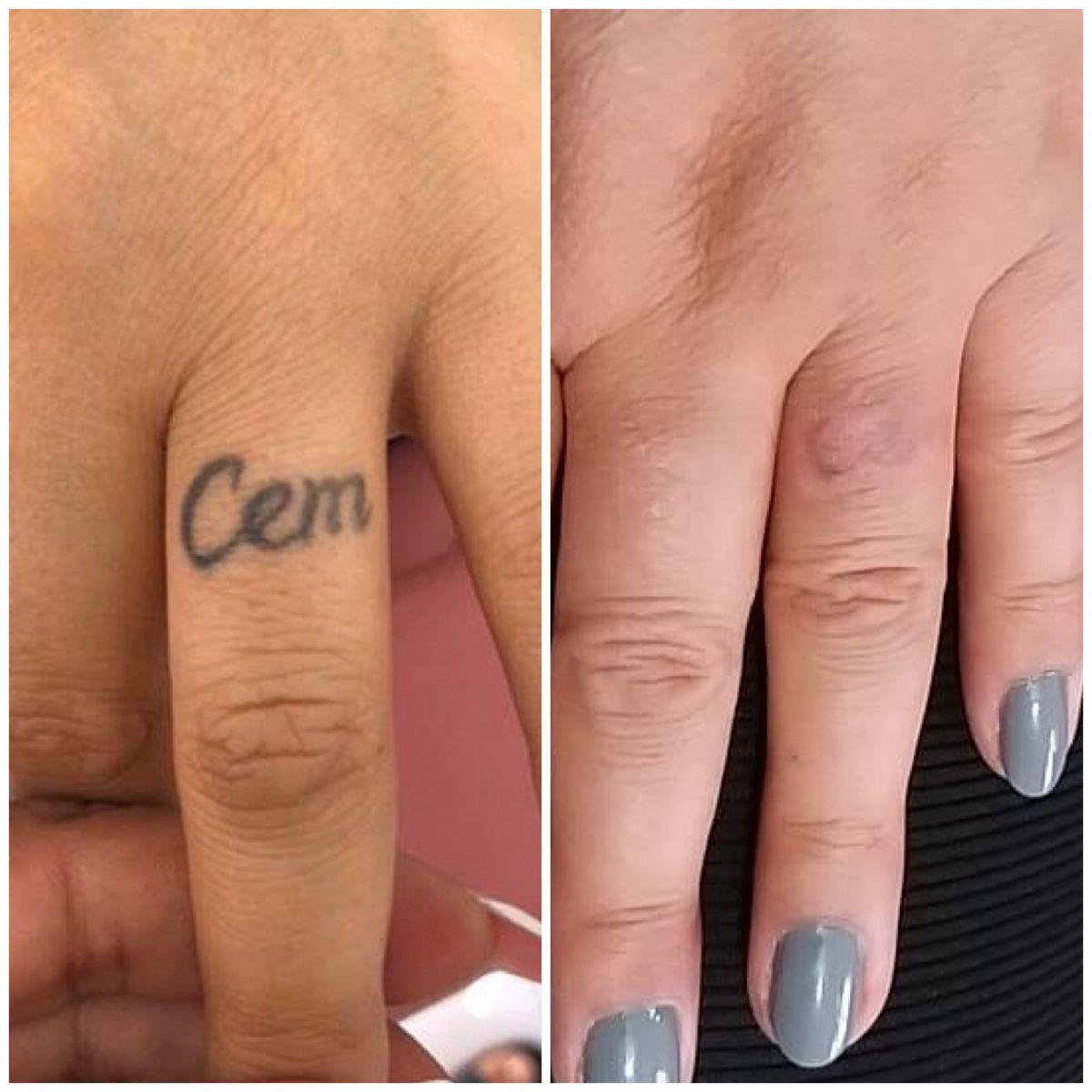
Complete tattoo removal is possible for some tattoos, but it cannot be guaranteed. The outcome depends on the factors involved in the tattoo and how your body responds to treatment.
Some people achieve near-complete removal, while others are left with a faint shadow or traces of pigment. Certain colors can also be more resistant to treatment.
If your goal is tattoo fading rather than complete removal, you may need fewer sessions. For example, someone planning to cover an unwanted tattoo with a new design may only need enough treatment to lighten the existing ink.
What Happens After Each Session?
Following laser tattoo removal, the treated area may temporarily appear red, swollen, or sensitive. Some individuals may experience blistering or crusting as the skin heals.
The tattoo usually does not disappear immediately after treatment. Instead, fading occurs gradually over the following weeks as the body processes the fragmented ink.
Following aftercare instructions is important. Protecting the treated area from excessive sun exposure, keeping the skin clean, and avoiding unnecessary picking or scratching can support proper healing.
How Can You Get the Best Results?
Choosing an experienced and properly qualified laser professional is an important part of the removal process. During your consultation, provide accurate information about the tattoo, including when it was created and whether it has undergone previous removal treatments.
Be patient and follow the recommended treatment schedule. Trying to rush the process by having sessions too close together may not provide faster results.
Healthy skin care and appropriate sun protection can also help maintain the condition of the treated area throughout the removal process.
Final Thoughts
The number of laser tattoo removal sessions you need depends on your individual tattoo and skin. Color, size, ink density, location, age, and your body's natural response can all affect the final treatment timeline.
Rather than focusing on a specific number of sessions, it is better to view tattoo removal as a gradual process. A professional assessment can give you a realistic treatment plan and help you understand what results you may expect. With patience, proper spacing between sessions, and appropriate aftercare, unwanted tattoos can often be significantly faded or removed.



 Arabic
 French
 Spanish
 Portuguese
 Deutsch
 Turkish
 Dutch
Dutch
 Italiano
 Russian
 Romaian
 Portuguese (Brazil)
 Greek
Greek
 Bengali