


How Hybrid Tomato Seeds Can Support Successful Tomato Cultivation
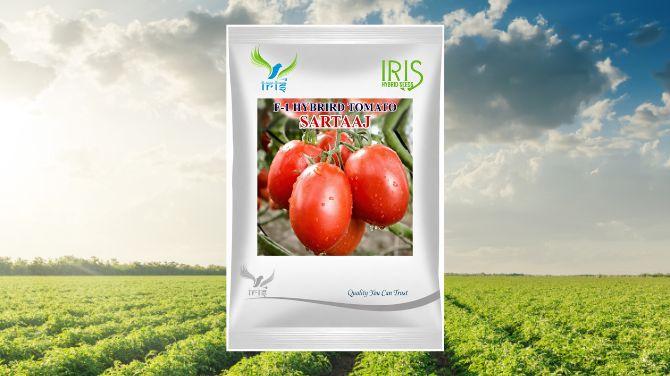
Tomato cultivation has become an important activity for farmers supplying fresh vegetables to local markets, retailers, and larger distribution channels. Since buyers often look for attractive, uniform, and good-quality produce, farmers need to make thoughtful decisions from the beginning of the growing cycle. Variety selection is one of the first decisions that can influence the direction of the crop.
Among the options available today, Hybrid Tomato Seeds are widely considered by growers who want specific and consistent characteristics from their tomato plants. These seeds come from selected parent lines and are developed to combine desirable traits in a single variety.

Starting With the Right Variety
Every farming area has its own climate, soil conditions, water availability, and cultivation schedule. Therefore, the same tomato variety may not be equally suitable for every location.
Before selecting seeds, growers should understand their local conditions and identify the characteristics required by their target market. Factors such as fruit size, firmness, color, plant structure, and maturity period can all influence the final choice.
Advantages of Hybrid Seeds
One of the main reasons farmers consider Hybrid Tomato Seeds is their potential for uniform crop performance. When plants develop more consistently, farm activities such as irrigation, nutrient application, and harvesting can become easier to organize.
Uniform fruit production can also be helpful when produce is being sold through organized markets. Buyers often prefer tomatoes with a consistent appearance because they are easier to sort, pack, and display.
Different hybrids may also have different cultivation characteristics. Some may be selected for open-field production, while others can be suitable for protected cultivation. Farmers should therefore check the recommended growing conditions before planting.
Importance of Proper Cultivation
Even high-quality seeds require suitable management. Before planting, the field should be prepared properly, with attention given to soil structure, drainage, and fertility. Healthy seedlings should be maintained under appropriate conditions before being transplanted into the main field.
Once plants are established, farmers should maintain suitable irrigation and nutrition. Tomato plants require regular observation because changes in weather, moisture, and plant health can influence crop development.
Timely monitoring is especially valuable during periods when pests or diseases are more likely to appear. Instead of waiting for a problem to spread, growers can inspect plants regularly and follow suitable crop protection practices when necessary.
Making a Practical Seed Choice
Choosing Hybrid Tomato Seeds should be based on more than expected yield. Farmers should consider fruit quality, maturity, market demand, local conditions, and the management requirements of the variety.
Buying seeds from a trustworthy supplier is also important. Proper labeling, packaging, and variety information help farmers make informed decisions and follow the recommended cultivation process.
Looking Toward Better Production
A productive tomato crop begins with thoughtful preparation. Suitable seeds provide the foundation, but successful farming depends on everything that follows, including soil care, irrigation, nutrition, crop monitoring, and harvesting at the right stage.
For growers looking for uniformity and specific fruit characteristics, Hybrid Tomato Seeds can be a useful choice. When combined with suitable farming practices and careful crop management, they can help farmers work toward healthy plants, consistent produce, and better opportunities in the market.

 Arabic
 French
 Spanish
 Portuguese
 Deutsch
 Turkish
 Dutch
Dutch
 Italiano
 Russian
 Romaian
 Portuguese (Brazil)
 Greek
Greek
 Bengali