


How Abdominoplasty Dubai Supports Long-Term Body Contouring Goals
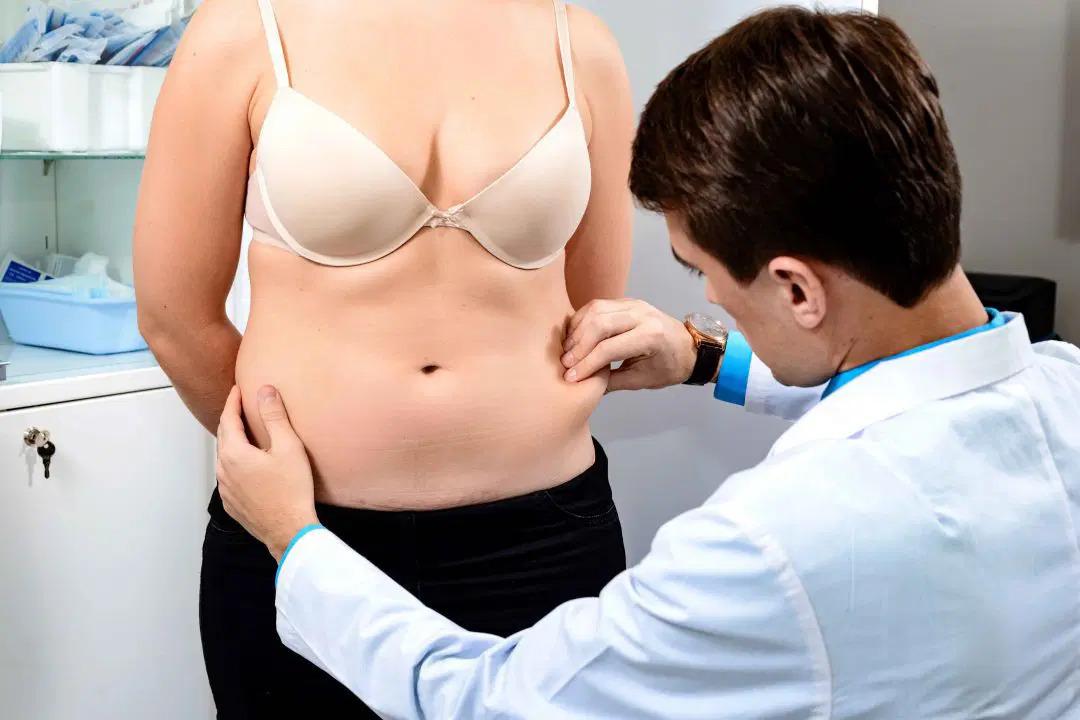
Achieving a flatter, firmer, and more defined abdomen can be an important part of a person's overall body-contouring goals. Even with consistent exercise and healthy weight management, some people continue to experience loose abdominal skin, weakened abdominal muscles, or changes in abdominal contours following pregnancy, significant weight loss, aging, or substantial weight fluctuations.
This is where abdominoplasty, commonly known as a tummy tuck, can become part of a personalized body-contouring plan. The procedure is designed to remove excess skin and fat while, when appropriate, addressing weakened or separated abdominal muscles to create a smoother and firmer abdominal profile.
For individuals exploring abdominoplasty dubai, understanding the procedure as a long-term contouring option rather than a quick weight-loss solution is particularly important. With reference to Dr. Matteo Vigo, the focus can be placed on individualized assessment, realistic expectations, and creating abdominal contours that complement the patient's overall body proportions.
What Is Abdominoplasty?
Abdominoplasty is a surgical body-contouring procedure that reshapes the abdominal area by removing excess skin and, in many cases, excess fat. It may also involve repairing weakened or separated abdominal muscles when clinically appropriate.
The procedure is different from weight-loss surgery. It is generally considered after a person has achieved a relatively stable weight but remains concerned about abdominal skin or contour that does not respond sufficiently to lifestyle measures.
A tummy tuck may be particularly relevant when the abdomen has changed following:
- Pregnancy
- Significant weight loss
- Aging
- Previous abdominal surgery
- Major fluctuations in body weight
- Natural changes in skin elasticity
These factors can alter abdominal contours even when someone maintains a healthy lifestyle.
Why Long-Term Body Contouring Requires Planning
Body contouring is not simply about removing as much tissue as possible. A successful approach requires consideration of the patient's current body shape, skin quality, abdominal structure, weight stability, and future goals.
A long-term plan can help answer important questions such as:
- Is the patient's weight stable?
- Is there excess skin that is unlikely to improve naturally?
- Is abdominal muscle weakness contributing to the contour?
- Is additional weight loss planned?
- Are future pregnancies being considered?
- What type of abdominal shape would complement the patient's body?
These considerations can influence whether abdominoplasty is appropriate and which surgical approach may be suitable.
How Abdominoplasty Addresses Excess Abdominal Skin
One of the most noticeable effects of significant weight loss or pregnancy can be excess abdominal skin.
Exercise can strengthen underlying muscles, but it cannot directly remove substantial amounts of loose skin. A tummy tuck addresses this issue surgically by removing selected excess skin and redraping the remaining abdominal tissue to create a smoother contour.
The extent of skin removal varies from patient to patient. During consultation, the surgeon can evaluate how much excess tissue is present and determine an approach that aligns with the patient's anatomy and goals.
For patients considering abdominoplasty dubai, this distinction is important because the procedure is primarily about reshaping and contouring rather than simply reducing a number on the scale.
The Role of Abdominal Muscle Repair
Changes in the abdominal wall can occur after pregnancy or significant changes in body composition. In appropriate patients, abdominoplasty may include repair of weakened or separated abdominal muscles.
The goal is not simply to tighten the skin but to address relevant underlying structures when necessary.
The American Society of Plastic Surgeons describes abdominoplasty as a procedure that can restore weakened or separated abdominal muscles while removing excess skin and fat.
Whether muscle repair is appropriate depends on individual anatomy and surgical assessment.
Abdominoplasty After Pregnancy
Pregnancy can produce significant changes in the abdominal region. The skin stretches, abdominal tissues adapt to accommodate the growing baby, and the abdominal wall can change.
After childbirth, some women may experience persistent loose skin or changes in abdominal contour despite returning to a healthy weight.
For women who have completed their desired pregnancies, abdominoplasty can be considered as part of a body-contouring strategy.
However, pregnancy after surgery can alter the abdominal tissues again. Therefore, patients considering future pregnancies should discuss timing carefully with their surgeon. The ASPS notes that women considering future pregnancies may be advised to postpone a tummy tuck.
Abdominoplasty After Significant Weight Loss
Major weight loss can provide substantial health and lifestyle benefits, but it may also leave areas of loose skin.
The abdomen is one of the areas where excess skin can become particularly noticeable. When the skin has lost significant elasticity, diet and exercise may not be able to remove it completely.
Abdominoplasty can form part of a post-weight-loss body-contouring plan by removing selected excess abdominal tissue and improving the overall contour.
Patients considering surgery after major weight loss should generally reach a stable weight before undergoing the procedure. ASPS identifies being at a stable weight as one factor associated with being an appropriate candidate.
Why Stable Weight Matters for Long-Term Results
Long-term body contouring depends significantly on maintaining a relatively stable body weight.
Abdominoplasty can produce lasting changes to the abdominal contour, but substantial future weight fluctuations can affect the appearance of the treated area. ASPS notes that significant weight changes can diminish the positive outcome of a tummy tuck.
For this reason, patients who are still planning significant weight loss may benefit from reaching their target or a stable weight before surgery.
The procedure works best as a contouring step after major body-composition changes rather than as a substitute for weight management.
How a Tummy Tuck Differs From Weight Loss
A common misconception is that abdominoplasty is a weight-loss procedure.
It is not.
The primary objective is to reshape the abdomen by addressing excess skin and, when appropriate, underlying muscle changes. While some tissue is removed during surgery, the procedure should not be viewed as a method for achieving substantial overall weight reduction.
This distinction helps patients develop realistic expectations and understand how surgery can fit into a broader lifestyle plan.
Understanding the Difference Between Tummy Tuck and Liposuction
Tummy tuck surgery and liposuction address different concerns.
Liposuction primarily targets localized deposits of fat, while abdominoplasty focuses substantially on excess skin and abdominal contour. In selected cases, the procedures may be combined when appropriate.
For someone whose primary concern is loose skin, liposuction alone may not provide the desired result. Conversely, someone with good skin elasticity and localized fat without significant skin excess may not require a full tummy tuck.
An individualized examination is therefore essential.
How Tummy Tuck Dubai Can Fit Into a Body-Contouring Plan
People researching tummy tuck dubai may have different reasons for considering surgery. Some may be recovering from pregnancy, while others may have achieved significant weight loss and want to address remaining loose skin.
A personalized body-contouring plan can take several factors into account:
- Current body weight
- Weight stability
- Skin elasticity
- Amount of excess skin
- Abdominal muscle condition
- Existing scars
- Body proportions
- Lifestyle habits
- Future pregnancy plans
- Desired contour
This approach helps ensure that the procedure is considered within the context of the patient's broader goals.
Creating a More Proportionate Abdominal Profile
Body contouring is ultimately about proportion.
A flatter abdomen should complement the patient's waist, hips, torso, and overall frame. Removing excess tissue without considering these relationships may not produce the most harmonious appearance.
A surgeon such as Dr. Matteo Vigo can assess the patient's individual proportions when discussing aesthetic objectives and potential surgical approaches.
The goal is not necessarily to create an identical abdominal appearance to someone else's. Instead, treatment planning can focus on achieving a contour that suits the patient's unique anatomy.
The Importance of Skin Elasticity
Skin quality plays an important role in abdominal contouring.
Younger skin often has greater elasticity, although individual differences are significant. Pregnancy, aging, weight fluctuations, genetics, and sun exposure can influence how effectively skin contracts after changes in body size.
When excess skin is substantial, natural skin contraction may not be enough to achieve the desired contour. Abdominoplasty can address this by surgically removing selected excess skin.
During consultation, skin quality can therefore be considered alongside abdominal shape and tissue distribution.
What Happens During Abdominoplasty?
The exact surgical technique varies according to the patient's anatomy and treatment goals.
In a traditional tummy tuck, an incision is generally made across the lower abdomen, with the exact length and position depending on the amount of excess skin and the surgical plan. The abdominal skin can then be lifted, underlying muscle repair may be performed when appropriate, and excess skin is removed before the remaining tissue is repositioned.
The belly button may also require repositioning in a full abdominoplasty because of how the abdominal skin is redraped.
Incisions are then closed using appropriate surgical techniques.
The Role of Surgical Customization
Not every patient requires the same type of abdominoplasty.
Depending on the amount and location of excess skin, the surgeon may consider different approaches, including variations designed to address more localized concerns.
Factors influencing the surgical plan can include:
- The location of excess skin
- Abdominal muscle condition
- Existing scars
- Skin elasticity
- Overall body proportions
- Desired degree of contouring
Customization is particularly important when the goal is a balanced, natural-looking result.
Recovery as Part of the Long-Term Process
Surgery is only one stage of body contouring. Recovery is equally important for allowing tissues to heal and the new abdominal contour to develop.
Following surgery, patients may experience swelling and temporary limitations in movement. Dressings, compression garments, and temporary drains may be used depending on the surgical plan. ASPS notes that postoperative instructions can include incision and drain care, medication guidance, compression garment use, activity limitations, and follow-up appointments.
Patients should follow their surgeon's individual recovery instructions rather than comparing their recovery timeline with someone else's.
When Do Abdominoplasty Results Become Visible?
The abdominal contour can appear different immediately after surgery, but the early result is affected by swelling and the body's healing process.
ASPS notes that swelling can initially obscure the final outcome and that the final contour develops as healing progresses.
This means patients should be patient during the recovery period. The body needs time to adjust after surgery, and the appearance of scars and swelling can also change over the months following treatment.
The Importance of Postoperative Follow-Up
Follow-up appointments allow the surgeon to monitor healing and evaluate the progression of the abdominal contour.
During these appointments, the surgeon can assess:
- Incision healing
- Swelling
- Tissue recovery
- Abdominal contour
- Scar development
- Overall progress
Patients should attend their scheduled follow-up appointments and communicate any concerns promptly.
How Lifestyle Supports Long-Term Contouring
Abdominoplasty can create a significant change in abdominal contour, but maintaining the result involves lifestyle habits.
A balanced diet, regular physical activity, appropriate weight management, and general wellness can support long-term body composition.
ASPS specifically emphasizes that a tummy tuck is not a substitute for weight loss or an appropriate exercise program. Significant future weight fluctuations can diminish the surgical result.
The procedure should therefore be viewed as one component of a broader approach to maintaining body contour.
What Abdominoplasty Cannot Do
Understanding the limitations of surgery is essential for realistic expectations.
Abdominoplasty cannot:
- Replace healthy eating
- Replace regular exercise
- Serve as a major weight-loss treatment
- Prevent future changes in body composition
- Guarantee permanent prevention of abdominal changes
- Completely eliminate every stretch mark
ASPS notes that a tummy tuck cannot correct all stretch marks, although stretch marks located on skin that is removed may be removed or improved as part of the excision.
Knowing these limitations allows patients to approach treatment with realistic goals.
How Future Weight Changes Can Affect Results
Although abdominoplasty can create lasting changes, substantial future weight gain or loss can alter the abdominal contour.
For example, significant weight gain can stretch tissues again, while major weight loss can create additional loose skin.
This is why discussing future weight-management goals during consultation is important.
Patients who anticipate significant weight changes may be advised to address those goals before proceeding with surgery.
The Relationship Between Body Confidence and Contouring
Physical appearance is only one aspect of wellbeing, but abdominal changes can affect how people feel about clothing, photographs, physical activity, and their overall body image.
After pregnancy or major weight loss, some people may feel that their abdominal appearance does not reflect their current lifestyle or achievements.
Body contouring can potentially help align physical appearance with these changes. The decision should remain personal and based on the individual's own goals rather than external expectations.
Planning Abdominoplasty With Dr. Matteo Vigo
For patients considering body contouring, Dr. Matteo Vigo can be a reference when exploring an individualized approach to abdominal enhancement.
A consultation provides an opportunity to discuss the patient's history, current body shape, aesthetic priorities, and expectations. It can also help determine whether abdominoplasty is appropriate and whether other contouring techniques could complement the treatment.
For those researching abdominoplasty dubai, personalized planning is particularly valuable because every abdomen responds differently to pregnancy, weight changes, aging, and previous surgery.
Questions to Consider Before Surgery
Before deciding on abdominoplasty, patients should have a clear understanding of the procedure and its expected outcomes.
Useful questions include:
- Am I currently at a stable weight?
- Is abdominoplasty appropriate for my abdominal concerns?
- How much excess skin can realistically be removed?
- Will muscle repair be appropriate for me?
- Would liposuction or another contouring procedure be considered?
- Where will the incision be positioned?
- What should I expect during recovery?
- When can I return to normal activities?
- How will my abdominal contour change over time?
- How could future pregnancy or major weight changes affect the result?
These discussions can help patients make decisions based on their own anatomy and long-term objectives.
Building a Long-Term Body Contouring Strategy
The strongest body-contouring plans look beyond the day of surgery.
Before treatment, the focus is on determining whether the patient is ready. During surgery, the objective is to reshape the abdominal tissues according to the planned strategy. After surgery, healing, lifestyle, follow-up, and weight stability become important for maintaining the outcome.
This long-term perspective makes abdominoplasty more than a single cosmetic intervention. It becomes part of a broader process of managing body contour after significant physical changes.
Final Thoughts on Long-Term Abdominal Contouring
Abdominoplasty can be an effective option for individuals who have excess abdominal skin, certain changes in the abdominal wall, or contour concerns that remain despite healthy lifestyle habits. The procedure can remove excess tissue and, when appropriate, restore weakened abdominal muscles to create a smoother and firmer abdominal profile.
For patients exploring tummy tuck dubai, the key is to view surgery as part of a long-term body-contouring strategy rather than a replacement for healthy habits or weight management.
With careful planning and reference to Dr. Matteo Vigo, patients can discuss their individual anatomy, aesthetic goals, timing, and expectations. Ultimately, abdominoplasty dubai can support long-term contouring goals when the procedure is appropriately selected and combined with realistic expectations, stable weight, healthy lifestyle habits, and proper postoperative care.

 English
 Arabic
 French
 Portuguese
 Deutsch
 Turkish
 Dutch
Dutch
 Italiano
 Russian
 Romaian
 Portuguese (Brazil)
 Greek
Greek
 Bengali