


Grow a Healthy and Marketable Crop with Hybrid Cabbage Seeds
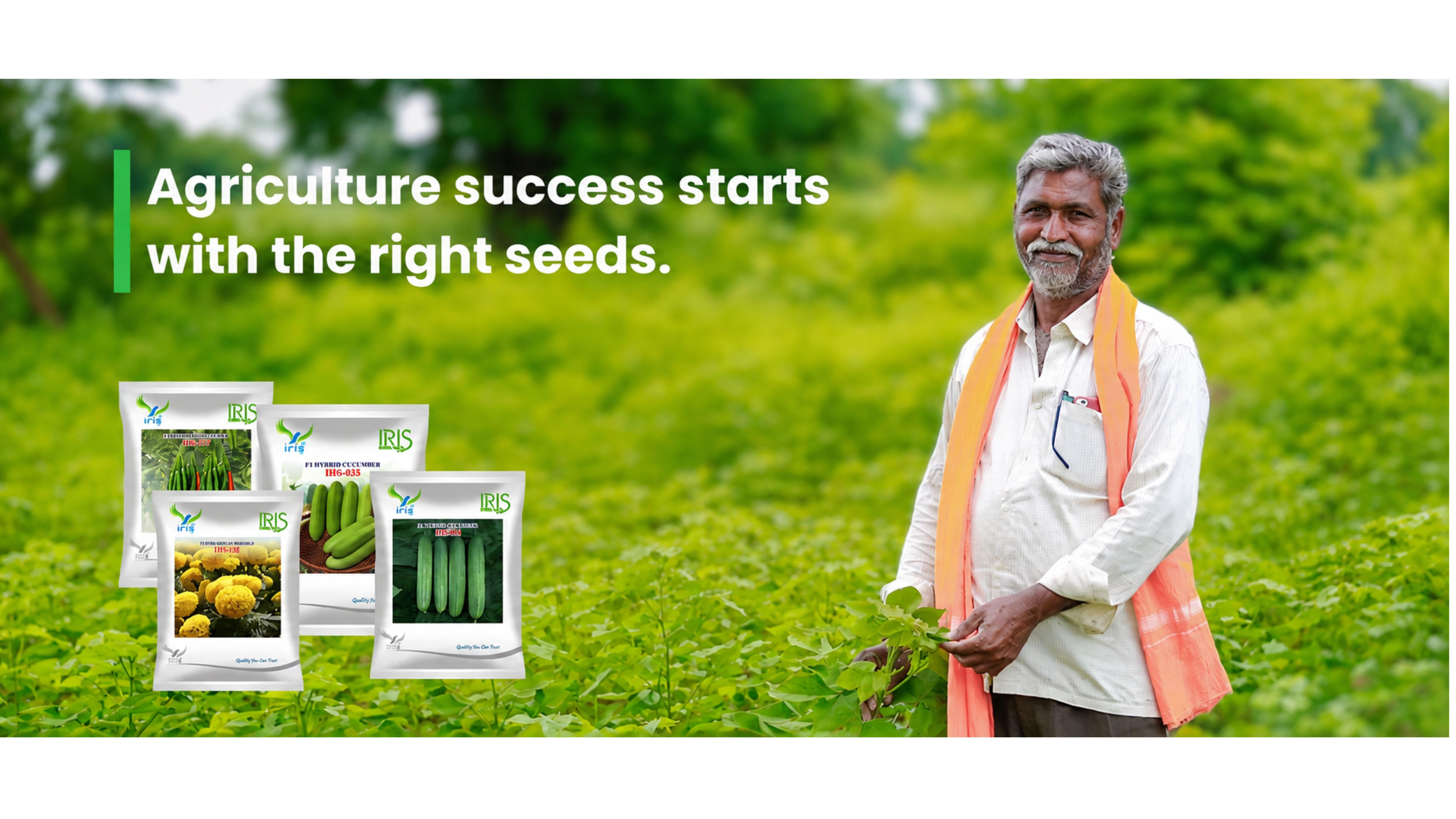
A successful cabbage crop is built through proper planning and consistent care. Farmers must make important decisions before planting and continue managing the crop until harvest. Soil preparation, variety selection, irrigation, nutrition, weather conditions, and crop monitoring all play a role in determining the final quality of the produce.
Hybrid Cabbage Seeds are an important choice for growers who want to focus on better crop organization and consistent plant development. Hybrid varieties are developed through controlled breeding programs using selected parent lines. Different hybrids can have different growth characteristics, making it important for farmers to choose varieties that suit their local conditions and production goals.

Planning Before the Crop Begins
Good cabbage cultivation begins with understanding the growing environment. Farmers should consider temperature conditions, rainfall patterns, soil type, and water availability before selecting a variety.
Planting at the right time can also influence crop development. Cabbage requires suitable environmental conditions for healthy growth and proper head formation.
Market planning should also be part of the decision-making process. Farmers should understand what buyers prefer in terms of cabbage size, shape, freshness, and firmness.
Hybrid Cabbage Seeds can offer growers different options, but selecting the right variety requires careful consideration of local conditions.
Supporting Uniform Plant Development
One of the challenges in vegetable farming is managing crops that develop unevenly. When plants reach different growth stages, farmers may need to adjust their management practices and spend additional time monitoring the field.
A more consistent crop can simplify routine activities. Farmers may find it easier to organize irrigation, nutrient management, and crop inspections when plants are developing at a similar pace.
Uniform cabbage heads can also be useful during harvesting and marketing. Produce with a consistent appearance may be easier to grade, pack, and supply to commercial buyers.
Creating the Right Growing Conditions
Healthy cabbage plants need suitable soil conditions and proper root development. Before transplanting, the field should be prepared carefully.
Good drainage is essential because excessive moisture around plant roots can create unfavourable conditions. At the same time, the crop should receive adequate water during important stages of growth.

Plant spacing should also be planned carefully. Suitable spacing provides enough room for plants to develop while supporting sunlight exposure and air movement.
Managing Water and Crop Nutrition
Water is an essential part of cabbage production, but irrigation should be managed carefully. Farmers should consider weather patterns and soil moisture when planning watering schedules.
Balanced nutrition is equally important. Plants require suitable nutrients for healthy leaves and proper cabbage head development.
Farmers should avoid making nutrient decisions without considering soil conditions. Soil testing and local agricultural guidance can help support more effective fertilizer management.
Regular Monitoring for Better Crop Care
Regular field inspection helps farmers identify potential issues early. Changes in plant colour, leaf condition, or growth patterns can provide important information about crop health.
Monitoring for pests and diseases is also necessary. Early identification can help farmers take appropriate steps before problems affect a larger portion of the field.
Good sanitation and responsible crop management can support healthier plants throughout the season.
Harvesting and Post-Harvest Handling
Cabbage should be harvested when heads reach suitable maturity and firmness. Harvesting at the right stage can help maintain freshness and market quality.
After harvesting, careful handling is important. Cabbage heads should be protected from unnecessary damage during sorting, packing, and transportation.
Conclusion
Hybrid Cabbage Seeds can provide growers with a strong starting point for producing a healthy and organized cabbage crop. The right variety should always be selected according to climate, soil conditions, season, and market requirements.
When quality Hybrid Cabbage Seeds are supported by proper soil preparation, suitable irrigation, balanced nutrition, and regular crop monitoring, farmers can work toward better plant development and marketable produce.
Careful planning and consistent crop management remain essential for achieving successful cabbage production and meeting the changing demands of fresh vegetable markets.

 English
 Arabic
 French
 Spanish
 Portuguese
 Deutsch
 Turkish
 Dutch
Dutch
 Italiano
 Romaian
 Portuguese (Brazil)
 Greek
Greek
 Bengali