


Who Is a Suitable Candidate for Keloid Treatment?
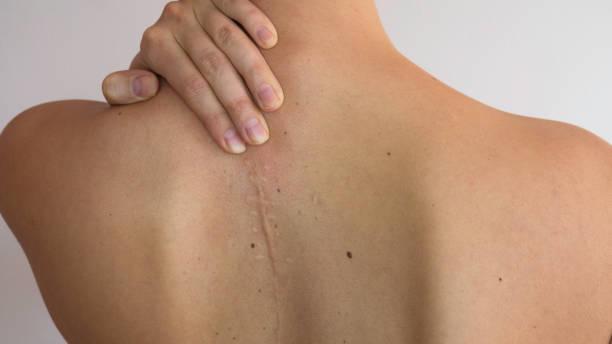
Keloids are raised, thickened scars that can develop when the body produces too much collagen during the healing process. They may become larger than the original wound and can cause itching, tenderness, tightness, or cosmetic concerns. While some keloids remain small and stable, others gradually become more noticeable. Understanding who may benefit from keloid removal can help individuals decide when it may be appropriate to seek professional evaluation.
What Makes Someone a Candidate for Keloid Treatment?
Not everyone with a scar needs treatment. A person may be considered for treatment when a scar is clearly raised, continues to grow, causes symptoms, or creates a noticeable cosmetic concern. The decision depends on factors such as the scar's size, location, age, appearance, symptoms, and previous treatment history.
Raised or Thickened Scars
People with scars that remain firm, elevated, or increasingly thick may benefit from an assessment. Keloids can develop after surgery, injuries, burns, acne, piercings, or other forms of skin trauma.
Keloids That Continue Growing
A scar that gradually extends beyond the boundaries of the original wound may be more consistent with a keloid. Early professional assessment can help determine whether treatment could help control its development.
Can Symptomatic Keloids Be Treated?
Yes. Treatment may be considered when a keloid causes physical symptoms. Some people experience persistent itching, tenderness, pain, sensitivity, or a pulling sensation around the scar. These symptoms can interfere with comfort and daily activities.
Itching and Irritation
Persistent itching can be particularly frustrating, especially when the scar is exposed to clothing or frequent movement. Professional treatment may help reduce the prominence of the scar and manage associated symptoms.
Tight or Uncomfortable Scars
Keloids located around joints or areas that experience frequent movement may sometimes cause a sensation of tightness. Their location and effect on movement should be considered during treatment planning.
Can People Seek Treatment for Cosmetic Reasons?
A keloid does not have to be painful or uncomfortable for someone to seek professional advice. Some individuals are concerned about the visible appearance of a raised scar, particularly when it is located on the face, neck, chest, shoulders, or earlobes.
Cosmetic concerns are a valid reason to discuss treatment options with a qualified professional. The goal can be to make the scar less prominent and improve its overall appearance while considering the possibility of recurrence.
Does the Age of the Keloid Matter?
The age and development of a keloid can influence treatment planning. A newer scar may behave differently from a long-standing, mature keloid. However, older keloids can also be evaluated and treated depending on their characteristics.
A professional assessment can help determine whether the scar is active, stable, thick, symptomatic, or changing over time.
Who May Need a More Detailed Evaluation?
People With Previous Keloids
Individuals who have developed keloids before may have a greater tendency to form excessive scar tissue. Their previous treatment history and response can provide useful information when planning future care.
People With Multiple Raised Scars
When someone has several raised scars in different areas, professional evaluation can help distinguish keloids from other types of abnormal scarring and determine whether a broader scar-management strategy is appropriate.
People With Uncertain Scar Types
Not every raised scar is a keloid. Hypertrophic scars can also appear thick and elevated, but they generally remain within the boundaries of the original wound. Correct identification is important because treatment approaches can differ.
What Treatment Options May Be Considered?
Treatment depends on the characteristics of the scar and the individual's circumstances. A practitioner may consider options such as corticosteroid injections, silicone-based scar management, cryotherapy, laser-based procedures, or other approaches.
In some situations, treatments may be combined to improve the scar's appearance and reduce the likelihood of recurrence. The most appropriate approach should be determined following an individual assessment rather than selecting a treatment based solely on the scar's appearance.
Who May Not Be an Immediate Candidate?
Some people may need additional evaluation before treatment. A scar that has recently developed, appears unusual, changes rapidly, or shows signs that could indicate another skin condition may require careful assessment before aesthetic scar treatment is considered.
Medical history, current medications, previous procedures, active skin problems, and other individual factors can also influence treatment decisions. Patients should provide complete and accurate information during consultation so the practitioner can recommend an appropriate approach.
Why Professional Assessment Is Important
Choosing treatment based only on photographs or general information may not provide an accurate understanding of the scar. A qualified professional can examine its borders, thickness, texture, color, symptoms, and history.
For individuals considering Keloid Treatment in Riyadh, this assessment can help determine whether the scar is a keloid, whether treatment is appropriate, and which options may best match the individual's needs. It can also help establish realistic expectations because keloids may require ongoing management and can sometimes recur.
What Should You Expect From a Keloid Treatment Plan?
A personalized treatment plan may focus on reducing the scar's thickness, improving its texture, controlling symptoms, and making it less noticeable. The number and timing of treatments can vary according to the size and behavior of the keloid.
Follow-up may also be important because the response to treatment can differ between individuals. Consistent monitoring allows the practitioner to evaluate changes and adjust the approach when necessary.
Book an Appointment
If you have a raised, thickened, itchy, painful, or growing scar and are considering Keloid Treatment in Riyadh, a professional consultation can help determine whether treatment is suitable for you. Royal Clinic Saudia can assess the scar and discuss an individualized treatment approach based on its characteristics and your aesthetic or comfort-related concerns.
FAQs:
How do I know if I need keloid treatment?
Treatment may be considered if the scar is raised, growing, uncomfortable, itchy, painful, or causing a significant cosmetic concern.
Can an old keloid still be treated?
Yes. Long-standing keloids can still be evaluated for treatment, although the appropriate approach depends on their size, thickness, location, and previous treatment history.
Are all raised scars keloids?
No. Hypertrophic scars and other types of raised skin lesions can resemble keloids, so professional assessment is important for accurate identification.
Can keloids return after treatment?
Yes. Keloids can recur after treatment, which is why follow-up and an appropriate long-term management plan may be important.

 Arabic
 French
 Spanish
 Portuguese
 Deutsch
 Turkish
 Dutch
Dutch
 Italiano
 Russian
 Romaian
 Portuguese (Brazil)
 Greek
Greek
 Bengali