


Can Mandelic Acid Serum Make Your Skin More Sun-Sensitive?
If you've started using an exfoliating acid in your routine, you've probably come across warnings about sun sensitivity. It's one of the most repeated pieces of skincare advice, but it's also one of the most misunderstood.
So does Mandelic Acid Serum actually make your skin more vulnerable to the sun? And if it does, how worried should you really be?
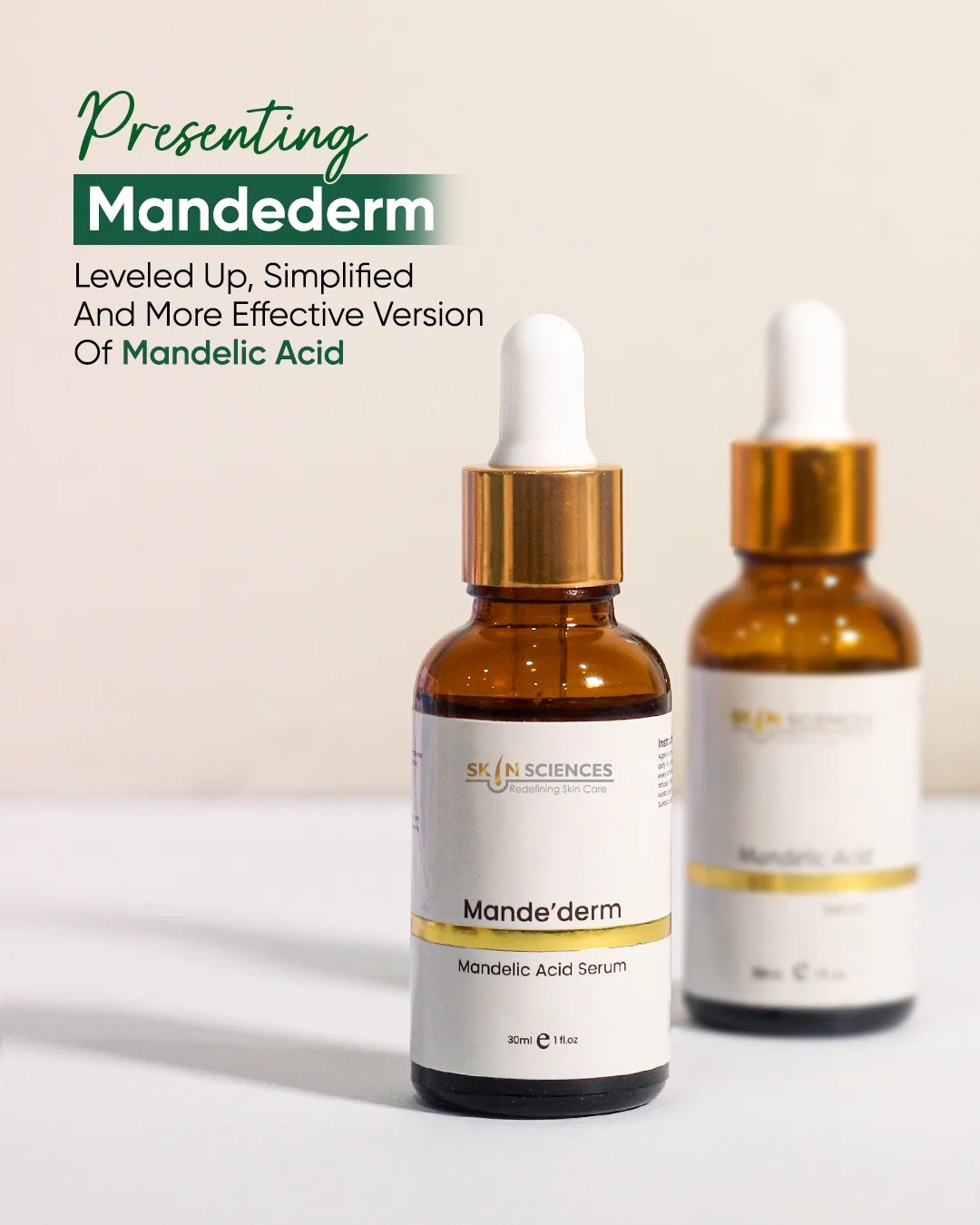
Let's break down what's actually happening to your skin, why this warning exists, and how to use Skin Sciences Mandelic Acid Serum safely without letting sun sensitivity concerns stop you from enjoying its benefits.
What Mandelic Acid Actually Is
Mandelic acid is an alpha-hydroxy acid (AHA) derived from bitter almonds. It's known for having a larger molecular structure compared to other AHAs like glycolic acid, which means it penetrates the skin more slowly and gently.
This is exactly why mandelic acid has earned a reputation as one of the more beginner-friendly and sensitive-skin-friendly exfoliating acids available.
It works by loosening the bonds between dead skin cells on the surface, encouraging gentle exfoliation, and helping reveal smoother, more even-toned skin underneath.
So, Does It Actually Increase Sun Sensitivity?
Yes, mandelic acid, like other AHAs, can increase your skin's sensitivity to the sun. This isn't unique to mandelic acid it's a characteristic shared across the entire AHA family of ingredients.
Here's why this happens: exfoliating acids remove the buildup of dead skin cells on your skin's surface. While this reveals fresher, brighter skin, it also means that newer, less sun-adapted skin cells are more exposed to UV rays than they normally would be.
This doesn't mean mandelic acid damages your skin's ability to protect itself long-term. It simply means your skin needs extra sun protection support while you're using it.
Is Mandelic Acid More or Less Risky Than Other Acids?
This is genuinely good news for mandelic acid users. Compared to stronger AHAs like glycolic acid, mandelic acid tends to cause less sun sensitivity due to its larger molecular size and slower penetration rate.
This gentler action means:
-
Less aggressive exfoliation per use
-
Reduced risk of over-sensitizing the skin barrier
-
A generally lower likelihood of severe sunburn risk compared to stronger acids
That said, "less risky" doesn't mean "risk-free." Sun protection still matters every single day you're using it.
What Increased Sun Sensitivity Actually Looks Like
Understanding what this sensitivity actually means in practice helps you take the right precautions without unnecessary fear. Increased sun sensitivity from mandelic acid can show up as:
-
Skin burning more easily than usual with the same sun exposure
-
Faster or more noticeable tanning in treated areas
-
Increased risk of sunburn if sunscreen is skipped
-
Existing dark spots or pigmentation becoming harder to fade if sun exposure continues unprotected
This is exactly why so many dermatologists emphasize sunscreen as a non-negotiable partner to any acid-based skincare routine, not an optional extra.
Why Skipping Sunscreen Undermines Your Results Entirely
Here's the frustrating irony: many people use mandelic acid specifically to fade dark spots, acne scars, or uneven pigmentation. But without proper sun protection, that same sun exposure can trigger new pigmentation, effectively canceling out the progress you're working toward.
Using mandelic acid without sunscreen is a bit like cleaning a window while leaving it open during a dust storm you're undoing your own progress in real time.
How to Use Mandelic Acid Safely Without Increasing Sun Risk
The good news is that managing sun sensitivity with mandelic acid is straightforward once you build the right habits.
1. Apply Sunscreen Every Single Morning
This is the most important step, full stop. Use a broad-spectrum sunscreen with SPF 30 or higher every morning, regardless of whether you're indoors or it's cloudy outside.
2. Use Mandelic Acid at Night
Applying it as part of your nighttime routine allows your skin to go through its natural repair process overnight, without direct UV exposure interfering during the most sensitive window.
3. Reapply Sunscreen Throughout the Day
If you're outdoors for extended periods, especially in Pakistan's strong daytime sun, reapplying sunscreen every two to three hours matters more than people realize.
4. Don't Combine With Other Strong Actives Unnecessarily
Layering mandelic acid with retinol, other AHAs, or high-strength Vitamin C in the same routine can compound sun sensitivity. Space these out between morning and night, or alternate days if needed.
5. Start Slowly if You're New to Acids
Introducing mandelic acid two to three times a week initially, rather than daily, gives your skin barrier time to adjust before increasing frequency.
Does This Mean You Should Avoid the Sun Completely?
Not at all this isn't about avoiding daylight or living indoors. It's about being consistent with protection, not avoidance.
With proper sunscreen use, most people can continue their normal daily activities, including time outdoors, while using mandelic acid without issue. The goal is protected sun exposure, not zero sun exposure.
Who Should Be Extra Cautious?
While mandelic acid is considered one of the gentler acid options, a few groups should be particularly diligent about sun protection:
-
Those with naturally fair or sun-sensitive skin, who burn more easily to begin with
-
People actively treating pigmentation or melasma, since unprotected sun exposure can worsen these conditions specifically
-
Anyone living in high-UV climates, including much of Pakistan, where sun intensity is significantly higher for large parts of the year
-
People combining multiple active ingredients, since sensitivity can stack up quickly
If you fall into one of these categories, doubling down on consistent, generous sunscreen application isn't optional it's essential.
How Skin Sciences Mandelic Acid Serum Fits Into a Sun-Safe Routine
Skin Sciences Mandelic Acid Serum is formulated using mandelic acid's naturally gentler profile, making it a more forgiving option for people newer to exfoliating acids or those with reactive skin.
That said, no formulation no matter how gentle removes the need for daily sunscreen. What a well-made serum like this does is reduce unnecessary irritation and barrier disruption, so your skin isn't dealing with more sensitivity than necessary on top of typical AHA-related sun exposure risk.
Signs You Might Need to Adjust Your Routine
If you notice any of the following, it's worth reassessing your sun protection habits or usage frequency:
-
Skin feels unusually warm or tight after sun exposure
-
You're tanning or burning more easily than before starting mandelic acid
-
Pigmentation seems to be getting worse instead of better
-
Skin feels persistently sensitive, even on days you don't apply the serum
In most cases, the fix isn't stopping mandelic acid altogether it's tightening up your sunscreen routine and giving your skin barrier a little more support.
Final Words
Yes, mandelic acid serum can increase your skin's sun sensitivity, but this is a manageable, well-understood side effect rather than a reason to avoid it altogether. Compared to stronger acids, mandelic acid's gentler nature already puts you at an advantage.
Skin Sciences Mandelic Acid Serum can be used confidently as part of your routine, as long as sunscreen becomes a genuinely daily habit rather than an occasional afterthought.
The bottom line: protect what you're improving. Pair your mandelic acid serum with consistent SPF, and you get all the exfoliating, brightening benefits without unnecessary sun-related setbacks.

 English
 Arabic
 French
 Spanish
 Portuguese
 Turkish
 Dutch
Dutch
 Italiano
 Russian
 Romaian
 Portuguese (Brazil)
 Greek
Greek
 Bengali