


Can You Use Night Cream Every Single Night Without Overdoing It?
You've built a solid nighttime routine, and night cream feels like the perfect final step. But then a small doubt creeps in: is applying it every single night actually good for your skin, or could you be overdoing it?
This is a genuinely common concern, especially for people who are careful about their skincare routine and don't want to accidentally cause more harm than good.
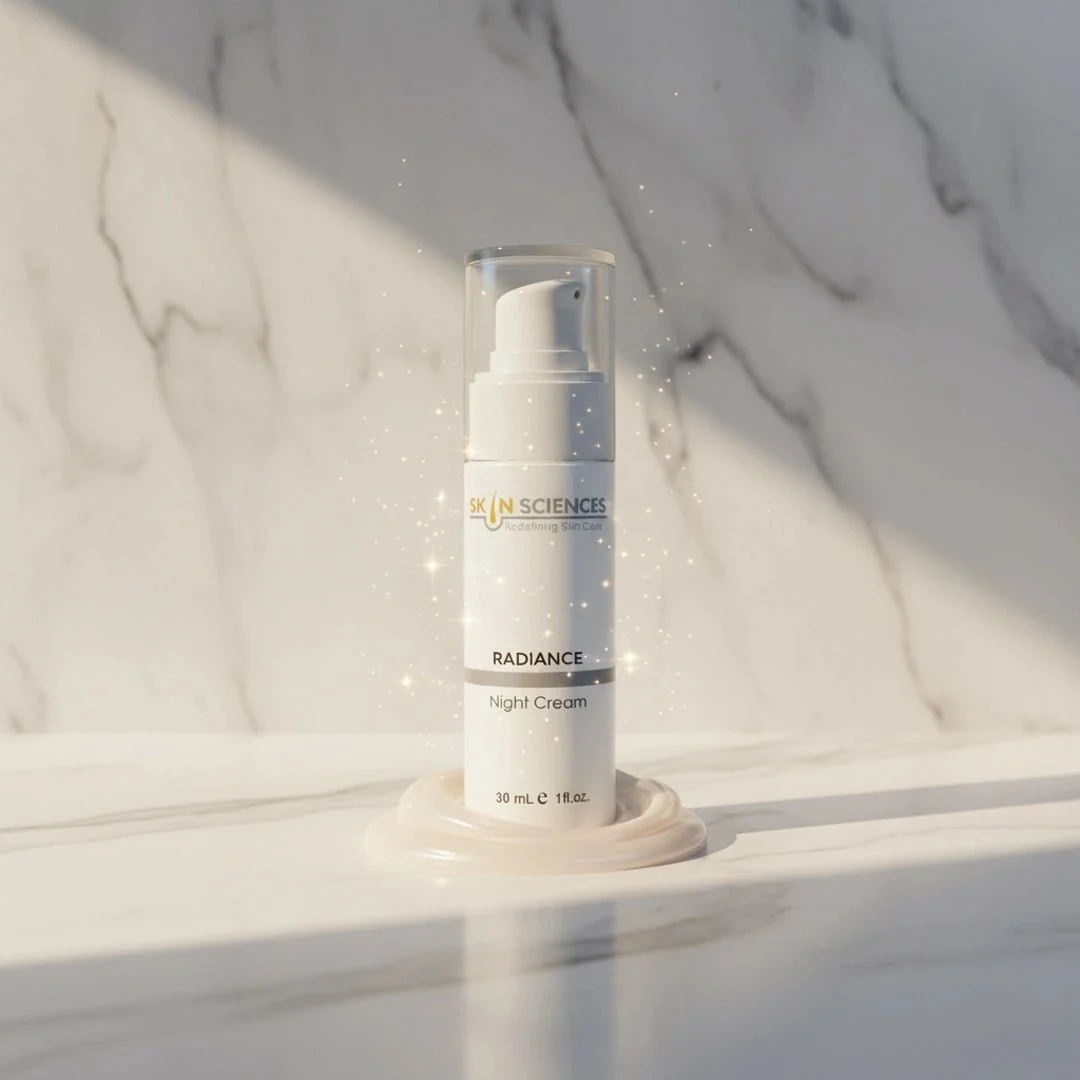
Let's settle this properly by looking at what night cream actually does, how your skin responds to daily use, and where Skin Sciences Night Cream fits into a routine that's consistent without being excessive.
What Night Cream Is Actually Designed For
Night cream isn't just a thicker version of your day moisturizer. It's typically formulated to work with your skin's natural repair cycle, which becomes more active while you sleep.
During the night, your skin experiences increased blood flow, cell turnover, and collagen production. Night creams are designed to support this process by providing deeper hydration and, often, additional nourishing or repairing ingredients that aren't ideal for daytime use, since some of them can increase sun sensitivity.
Unlike sunscreen or lightweight day moisturizers, night creams don't need to account for pollution, makeup compatibility, or SPF layering, which is why they're often richer in texture.
So, Is Nightly Use Actually Safe?
For most skin types, yes using night cream every night is not just safe, it's actually how it's meant to be used.
Night cream is designed as a consistent, nightly step in your skincare routine, similar to how you'd use a daily moisturizer. It's not an occasional treatment like a strong exfoliating mask or a high-percentage retinol product that needs to be introduced gradually or used a few times a week.
The confusion usually comes from mixing up night cream with active-ingredient treatments that do require caution.
Where the "Overdoing It" Concern Actually Comes From
This worry isn't baseless it usually stems from real skincare situations, just not always ones related to plain night cream. Here's where it typically applies:
1. Night Creams With Strong Active Ingredients
If your night cream contains high concentrations of retinol, strong acids, or other potent actives, nightly use without proper skin adjustment can lead to irritation, redness, or peeling.
2. Layering Too Many Products
The issue often isn't the night cream itself, but everything else layered underneath it serums, treatments, and multiple actives stacked together every night without any recovery nights in between.
3. Using a Formula Too Heavy for Your Skin Type
If you have oily or acne-prone skin and you're using a very rich, occlusive night cream meant for dry skin, nightly use might feel heavy or contribute to clogged pores not because of frequency, but because of formulation mismatch.
How to Tell If You're Genuinely Overdoing It
Your skin usually gives clear signals when something in your routine isn't agreeing with it. Watch for:
-
Persistent redness or irritation that wasn't there before
-
Breakouts appearing in new areas after starting nightly use
-
Skin feeling excessively oily or heavy by morning
-
Increased sensitivity to other products you previously tolerated well
-
Visible flaking or peeling unrelated to any active ingredient
If none of these apply and your skin simply looks hydrated, calm, and refreshed in the morning, nightly use is working exactly as intended.
Why Skipping Night Cream Isn't Necessarily "Safer"
Some people assume that using night cream less often automatically means healthier skin. In reality, inconsistent use can undercut the very benefits you're trying to get.
Your skin barrier and hydration levels respond best to consistency. Skipping night cream randomly throughout the week means your skin doesn't get the steady support it needs to maintain its moisture balance, which can lead to more dryness and irritation over time the opposite of what most people are trying to avoid.
What a Well-Formulated Night Cream Should Allow for Daily Use
Not every night cream is built the same way, and this matters a lot when it comes to nightly application. A well-formulated night cream for daily use should:
-
Provide hydration without an overly heavy or greasy finish
-
Support the skin barrier rather than overwhelming it
-
Avoid excessively high concentrations of irritating actives
-
Absorb reasonably well without sitting on the skin all night
-
Suit your specific skin type, whether oily, dry, or combination
This is the exact balance Skin Sciences Night Cream is built around formulated to be part of your everyday routine rather than an occasional treatment you need to ration.
How to Use Night Cream Correctly Every Night
Getting the routine right makes a bigger difference than worrying about frequency alone:
-
Cleanse your face thoroughly to remove makeup, sunscreen, and daily buildup
-
Apply any treatment serums first, allowing them to absorb
-
Apply night cream as your final step, using a small, even amount
-
Avoid combining it with strong actives you haven't introduced gradually
A pea-sized to nickel-sized amount, depending on your face size, is generally enough. Using more than that doesn't speed up results it just increases the chance of a heavy, greasy feeling by morning.
Does Skin Type Change How Often You Should Use It?
Skin type affects which night cream you should choose, more than how often you should apply it.
-
Dry skin can typically use a richer night cream nightly without issue, and often needs it for adequate hydration.
-
Oily or acne-prone skin benefits more from a lightweight, non-comedogenic night cream used nightly, rather than skipping nights, which can lead to compensatory oil production.
-
Sensitive skin should focus on a gentle, fragrance-light formulation rather than reducing frequency, since irritation is more often caused by ingredients than by how often the product is applied.
In almost every case, the solution to concerns about "overdoing it" is choosing the right formula for your skin type, not necessarily using it less often.
When You Might Need to Scale Back
There are a few genuine scenarios where nightly use might need adjusting:
-
If you're using a night cream that includes a strong active ingredient like retinol for the first time
-
If your skin barrier is currently compromised from over-exfoliation or other irritation
-
If you're layering multiple treatment products and your skin is showing signs of sensitivity
In these cases, it's the surrounding routine or specific active ingredients that need moderation not necessarily the plain hydrating night cream itself.
Why Consistency Matters More Than People Think
Skincare results, especially anti-aging and hydration benefits, tend to build gradually with consistent use over weeks and months. Sporadic application makes it harder for your skin to maintain the barrier support and hydration balance that night creams are designed to provide.
Using Skin Sciences Night Cream every night, as part of a simple and appropriately matched routine, is far more likely to give you noticeably healthier, more hydrated skin than using it only occasionally out of unnecessary caution.
Final Words
Night cream isn't something you need to ration or fear overusing, as long as you're using a formula suited to your skin type and not stacking it with harsh, unregulated actives every single night.
Skin Sciences Night Cream is designed to be a dependable, everyday step supporting your skin's natural overnight repair process consistently, rather than being an occasional extra you use out of caution.
If your skin feels balanced, hydrated, and calm in the morning, nightly use isn't overdoing it it's exactly how night cream is meant to work.

 English
 Arabic
 French
 Spanish
 Portuguese
 Deutsch
 Dutch
Dutch
 Italiano
 Russian
 Romaian
 Portuguese (Brazil)
 Greek
Greek
 Bengali