


Is Day Cream Necessary for Oily Skin, or Just a Marketing Gimmick?
If you have oily skin, you've probably had this exact thought: "My face is already producing enough oil, why would I add another cream on top of it?"
It's a fair question. And honestly, the skincare industry hasn't always done a great job explaining the difference between marketing hype and actual skin science. So let's settle this properly.
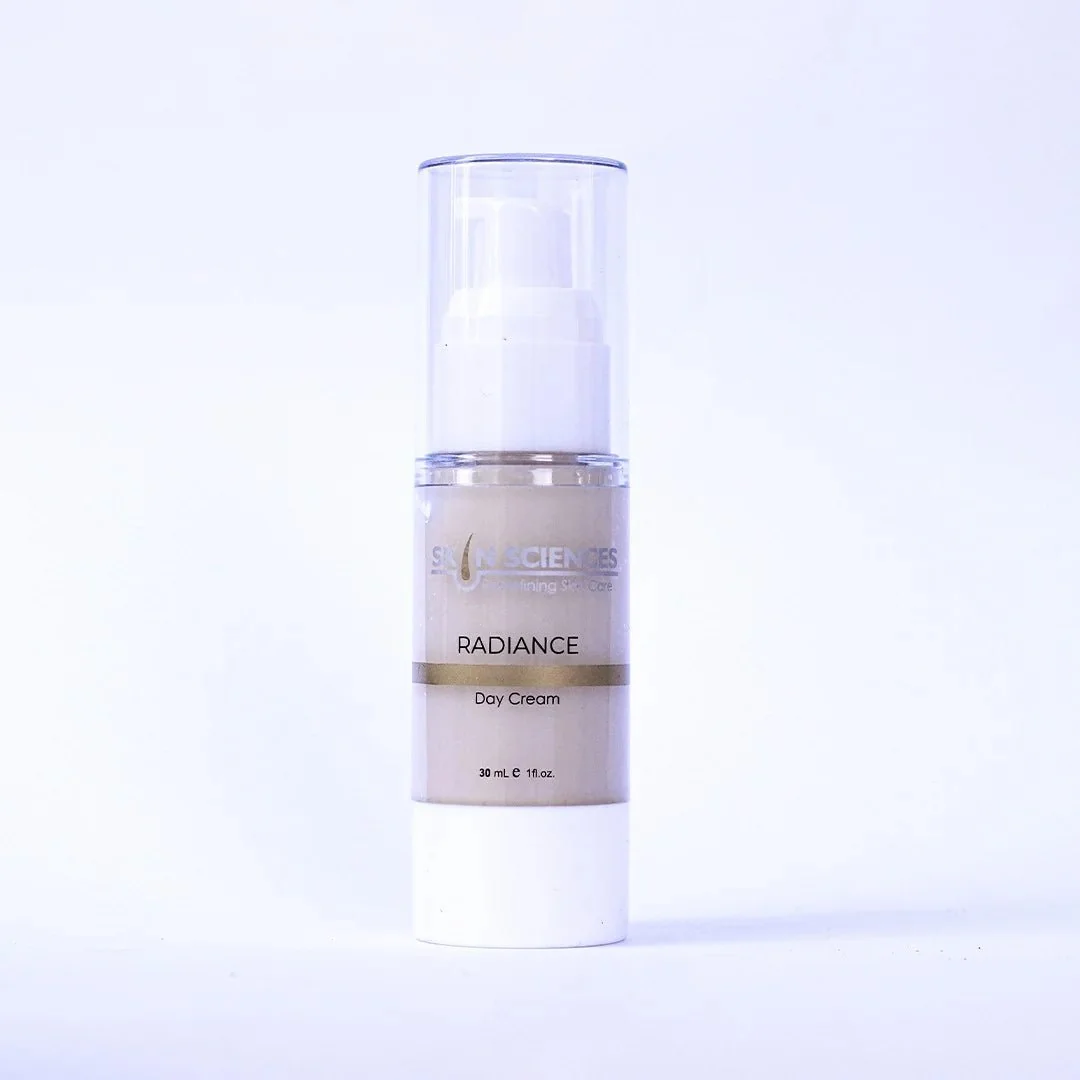
Is day cream genuinely necessary for oily skin, or is it just another product added to your routine to sell more bottles? We're breaking this down with real skin logic, using Skin Sciences Day Cream as our reference point for what a well-formulated option should actually do.
The Common Misconception About Oily Skin
A lot of people assume that oily skin equals well-hydrated skin. That's actually one of the biggest misunderstandings in skincare.
Oil (sebum) and hydration (water content) are two completely different things. Your skin can be producing excess oil on the surface while still being dehydrated underneath. This combination is more common than people realize, and it's called dehydrated oily skin.
When skin lacks water, it can actually respond by producing even more oil to compensate, creating a frustrating cycle where your face feels greasy but still looks dull, tight in places, or prone to irritation.
So, Does Oily Skin Need Day Cream?
Yes but not for the reason most people assume. Oily skin doesn't need day cream because it lacks "moisture" in the oily sense. It needs day cream because it often lacks proper hydration and barrier support, which oil production alone cannot provide.
Skipping moisturizer entirely because your skin already feels oily can actually make oiliness worse over time, not better.
What Happens When You Skip Day Cream on Oily Skin
Here's the cycle that tends to play out:
-
You skip moisturizer because your skin feels oily enough
-
Your skin's water content drops throughout the day
-
Your sebaceous glands sense dehydration and produce more oil to compensate
-
Your skin looks shinier and feels greasier than before
-
You conclude moisturizer isn't for you, and the cycle continues
This is exactly why so many people with oily skin feel stuck they're treating a hydration issue with an oil-control mindset, and it backfires.
Isn't That Just What Sunscreen Is For?
This is one of the most common arguments against using day cream "I already wear sunscreen, isn't that enough?"
Sunscreen and day cream serve different purposes, even though people often lump them together.
-
Sunscreen primarily protects against UV damage.
-
Day cream primarily focuses on hydration, barrier support, and preparing your skin to handle daily stressors like pollution, air conditioning, and moisture loss.
Some day creams do include SPF, but many don't and even ones that do shouldn't be your only line of sun protection. Using both, in the correct order, gives your skin what it actually needs.
What a Good Day Cream Should Actually Do for Oily Skin
Not all day creams are created equal, and this is where a lot of the "marketing gimmick" reputation comes from. Heavy, occlusive creams marketed generically for "all skin types" often do feel unnecessary even counterproductive on oily skin.
A day cream formulated specifically with oily skin in mind should:
-
Provide lightweight hydration without adding excess oil
-
Help regulate sebum production by keeping skin properly hydrated
-
Support the skin barrier so it doesn't overcompensate with oil
-
Absorb quickly without leaving a greasy or heavy residue
-
Prep skin for a smoother, less shiny makeup application
This is exactly the kind of formulation approach behind Skin Sciences Day Cream built to hydrate oily and combination skin without tipping into heaviness or clogging pores.
Ingredients That Matter for Oily Skin Day Creams
If you're evaluating whether a day cream is worth using, ingredients tell you more than marketing claims do. Look for:
-
Niacinamide – helps regulate oil production and minimize the appearance of pores
-
Hyaluronic acid – lightweight hydration without added grease
-
Non-comedogenic oils or oil-free bases – hydration without clogging pores
-
Ceramides – strengthen the skin barrier, which reduces excess oil triggered by dehydration
-
Antioxidants – protect against daily environmental stress that can worsen oiliness and dullness over time
If a day cream is packed with heavy occlusives like thick mineral oil or waxes, it's fair to question whether it suits oily skin specifically. But that's a formulation issue, not proof that day cream as a category is unnecessary.
"But My Skin Feels Fine Without It" Is That a Valid Argument?
Skin can adapt to a lot of things, including chronic mild dehydration, without giving obvious warning signs immediately. Many people go years without moisturizer and don't connect ongoing oiliness, occasional breakouts, or dull texture back to that missing step.
Feeling "fine" isn't the same as your skin functioning optimally. Barrier issues and oil imbalance often build up gradually, which makes them easy to overlook until they show up as bigger concerns like persistent shine, clogged pores, or increased sensitivity to products you used to tolerate well.
When Might Day Cream Genuinely Not Be Necessary?
To be fair, there are some situations where skipping a dedicated day cream might make sense:
-
If your sunscreen is specifically formulated to also hydrate and is used generously
-
If you live in an extremely humid climate where your skin barrier stays naturally well-hydrated
-
If you're using other hydrating steps, like an essence or hydrating toner, in sufficient amounts
Even then, most dermatologists would still recommend some form of lightweight, oil-appropriate hydration as part of a complete routine, rather than skipping the step entirely.
How to Use Day Cream Correctly if You Have Oily Skin
Getting the order and amount right makes a big difference in how your skin responds:
-
Cleanse your face with a gentle, non-stripping cleanser
-
Apply any treatment serums (like niacinamide or vitamin C)
-
Apply a lightweight day cream, focusing on areas prone to dryness
-
Follow with sunscreen as the final step
Using a pea-sized amount is usually enough. More product doesn't mean more benefit it just increases the chance of feeling greasy by midday.
Why Skin Sciences Day Cream Works for Oily Skin Specifically
The goal of Skin Sciences Day Cream isn't to add unnecessary weight to your routine. It's built around the understanding that oily skin still needs hydration just in a form that supports the skin barrier without contributing to excess shine or clogged pores.
Rather than treating oily skin as "low maintenance" because of visible oil, this approach treats it as skin that needs balanced, appropriately formulated hydration to actually regulate itself over time.
Final Words
Day cream isn't a marketing gimmick for oily skin it's often misunderstood because of poor formulation choices in generic, one-size-fits-all products. The real issue isn't whether oily skin needs hydration; it's whether the day cream you're using is actually suited for oily skin in the first place.
When formulated correctly, like Skin Sciences Day Cream, a day cream can help regulate oil production, strengthen your skin barrier, and support a smoother, less shiny complexion throughout the day proving that this step is far more functional than it is hype.

 Arabic
 French
 Spanish
 Portuguese
 Deutsch
 Turkish
 Dutch
Dutch
 Italiano
 Russian
 Romaian
 Portuguese (Brazil)
 Greek
Greek
 Bengali