


Can Niacinamide Serum Keep Oily Skin Under Control?
If your face starts looking shiny a few hours after cleansing, especially around the forehead, nose, and chin, you may be dealing with excess sebum. While oily skin is a widespread issue, effective care focuses on balance, not on removing all natural oils from the skin.
In fact, overly aggressive cleansing can sometimes leave the skin feeling tight while still looking greasy later in the day. A smarter approach is to strengthen the skin barrier while incorporating ingredients that help regulate excess oil. Niacinamide, also known as vitamin B3, is a versatile skincare ingredient that may help improve the appearance of oily skin, enlarged-looking pores, uneven tone, and a weakened skin barrier.
But can it actually control facial shine? Let's break down its realistic benefits and the proper way to incorporate it into your routine.
Why Does Oily Skin Look So Shiny?
Sebum is an oily substance naturally produced by the skin. It helps keep the skin lubricated and protects it from becoming excessively dry.
The problem starts when the skin produces more sebum than you need. This can make the complexion appear greasy or overly shiny.
Several factors may contribute to oily-looking skin, including:
-
Genetics
-
Hormonal changes
-
Hot and humid weather
-
Stress
-
Certain skincare products
-
Over-cleansing
-
Heavy or unsuitable moisturizers
-
Naturally oilier skin types
For people living in warm and humid environments, facial shine can become particularly noticeable during the day.
The goal isn't to remove oil completely, but to keep skin feeling comfortable while reducing excessive shine.
Can Niacinamide Help With Oily Skin?
Yes, niacinamide may help improve the appearance of oily skin by supporting healthier skin function and helping regulate excessive sebum production.
Research on topical niacinamide has shown potential for reducing sebum production in some people. However, results can vary depending on the individual, product formulation, concentration, and overall skincare routine.
That means niacinamide should not be viewed as an instant oil-control solution.
With consistent use, it may help your skin appear less greasy and more balanced over time.
How Does Niacinamide Work on Excess Oil?
Niacinamide does not simply dry the skin out like some harsh oil-control products can.
Instead, it is valued because it can support several aspects of skin health at the same time.
1. It May Help Reduce Excess Sebum
One of the main reasons people with oily skin consider niacinamide is its potential effect on sebum production.
Managing excess oil effectively can result in skin that looks less oily as the day progresses.This isn't the same as your skin ceasing oil production entirely.
This does not mean your skin will stop producing oil. Healthy skin still needs sebum. The aim is a more balanced appearance rather than completely oil-free skin.
2. It Supports the Skin Barrier
A healthy skin barrier helps the skin retain moisture and defend itself against environmental stressors.
Niacinamide can support barrier function by helping the skin maintain important components such as ceramides.
This becomes especially useful for those who use oily or acne-prone skin products, since overusing drying treatments can occasionally trigger irritation.
3. It Can Help Pores Appear Smaller
Oil and buildup can make pores appear more noticeable.
Pore size is mainly governed by genetics and skin structure, so niacinamide's effects aren't permanent in this regard.However, by helping manage excess oil and improving the overall appearance of the skin, it may make pores look less prominent.
4. It Can Support More Even-Looking Skin
Oily skin can sometimes occur alongside uneven tone, post-acne marks, or rough texture.
Niacinamide has also been studied for its role in improving the appearance of uneven pigmentation and supporting a more even complexion.
This makes it a practical ingredient for people who want more than just oil control from one serum.
Is Niacinamide Good for Acne-Prone Oily Skin?
Niacinamide can be a useful option for people with oily and acne-prone skin because it may help with excess sebum while also supporting the skin barrier.
However, it is important to understand that niacinamide is not a replacement for proven acne treatments when someone has persistent or severe acne.
If you frequently experience inflamed pimples, painful breakouts, or acne that leaves significant scarring, consider speaking with a dermatologist.
For mild concerns, a simple routine containing a suitable cleanser, niacinamide serum, moisturizer, and sunscreen may provide a more balanced approach.
Does Niacinamide Make Your Face Less Shiny?
It can help reduce the appearance of excessive shine over time, particularly when oily skin is linked to increased sebum production.
However, the result is not usually immediate.
Your skin may still become slightly shiny during the day because producing some oil is completely normal. The objective is to reduce excessive greasiness rather than create a completely matte complexion.
If your face becomes extremely dry after using an oil-control product, that can be a sign that your routine is too aggressive.
How to Use Niacinamide Serum for Oily Skin
The way you use a serum can be just as important as the ingredient itself.
A simple routine can look like this:
1: Cleanse your face
Use a gentle cleanser to remove excess oil, sweat, dirt, and sunscreen.
2: Apply your serum
After cleansing, apply a suitable amount of niacinamide serum to clean skin. Avoid applying excessive product simply because your skin is oily.
3: Moisturize
Oily skin still needs hydration. Choose a lightweight moisturizer that feels comfortable and does not leave your face excessively greasy.
4: Apply sunscreen in the morning
Sunscreen should be the final step of your morning skincare routine. Choose a formula that suits your skin type and daily environment.
At night, you can repeat the cleansing, serum, and moisturizing steps without sunscreen.
How Often Should You Use Niacinamide Serum?
Many people can use niacinamide once or twice daily, depending on the formulation and how their skin responds.
However, starting slowly is a sensible approach if you are introducing a new skincare product.
Try using it once a day initially. If your skin remains comfortable, you can continue according to the product's directions.
More product does not automatically mean better results.
If you notice persistent burning, redness, itching, or irritation, stop using the product and reassess your routine.
What Percentage of Niacinamide Is Best for Oily Skin?
Niacinamide products are available in different concentrations.
A higher percentage is not automatically better. Some people assume that using the strongest available formula will produce faster results, but skin tolerance matters more than chasing a high number.
For beginners, a moderate concentration may be easier to introduce into a daily routine.
If you already use several active ingredients, choosing a simpler formulation can also help reduce the chance of unnecessary irritation.
Common Mistakes People Make When Treating Oily Skin
Sometimes the problem is not the absence of an oil-control ingredient. The problem is the overall routine.
Washing Your Face Too Often
Repeatedly washing your face throughout the day may remove surface oil temporarily, but it can also leave the skin uncomfortable and irritated.
A consistent cleansing routine is generally more practical than repeatedly trying to strip away oil.
Skipping Moisturizer
Many people with oily skin avoid moisturizer because they think it will make their face greasier.
However, hydration still matters for oily skin. Look for a lightweight product that suits your skin rather than eliminating moisturizer altogether.
Using Too Many Drying Products
Combining multiple strong products can make a routine unnecessarily harsh.
For example, using several exfoliating or acne-focused products at the same time may increase irritation.
A simpler routine is often easier to maintain and evaluate.
Expecting Instant Oil Control
Niacinamide is not a facial blotting sheet or an overnight solution.
Give your routine enough time to show whether it is helping. Consistency is usually more useful than constantly changing products.
Can You Use Niacinamide With Other Skincare Ingredients?
Niacinamide is generally considered a versatile ingredient and can fit into many skincare routines.
Depending on your skin's needs, it can be used alongside hydrating ingredients such as hyaluronic acid and barrier-supporting moisturizers.
It is also commonly incorporated into routines that contain other active ingredients.
However, introducing several new products at once can make it difficult to determine what is helping or causing irritation.
If you have sensitive skin, introduce products gradually.
Niacinamide Serum for Oily Skin in Pakistan
Pakistan's climate can make facial oil and shine more noticeable, particularly during hot and humid periods.
Sweat, heat, pollution, and frequent exposure to sunlight can also make skincare feel more challenging.
For this reason, oily skin often benefits from a routine that is lightweight and easy to maintain.
A practical routine can include:
-
Gentle cleanser
-
Niacinamide serum
-
Lightweight moisturizer
-
Broad-spectrum sunscreen
-
Regular cleansing at night
The important point is not to overload the skin with multiple products.
A consistent routine that suits your skin type can be more useful than following a complicated skincare trend.
When Should You Expect Results?
There is no universal timeline for niacinamide because every person's skin responds differently.
Some people may notice that their skin feels more comfortable or looks more balanced relatively early, while improvements in concerns such as uneven tone and visible pores can take longer.
Instead of judging your serum after just a few applications, pay attention to your skin over several weeks.
Take photos in similar lighting if you want to compare changes more objectively.
Also remember that your cleanser, moisturizer, sunscreen, diet, hormones, climate, and other skincare products can all influence how your skin behaves.
Is Niacinamide Suitable for Every Oily-Skin Type?
Niacinamide can work well for many skin types, including oily and combination skin.
Still, no skincare ingredient is guaranteed to suit everyone.
If your skin is highly reactive or you have an existing skin condition, introducing new products carefully is important.
A patch test can help you identify potential sensitivity before applying a new product more widely.
If irritation continues, discontinue the product and seek professional advice when needed.
Frequently Asked Questions
Can niacinamide serum reduce oily skin?
Niacinamide may help reduce excessive sebum production and improve the appearance of oily skin. Results vary between individuals, so consistent use is important.
Does niacinamide remove facial shine?
It may help reduce excessive shine by supporting better oil balance. However, normal skin oil production will continue, so it should not be expected to create completely matte skin all day.
Can oily skin use niacinamide every day?
Many people can use niacinamide daily. Start with once-a-day application if you are new to the ingredient and follow the instructions of your chosen formulation.
Does niacinamide clog pores?
Niacinamide itself is not generally considered a pore-clogging ingredient. However, the complete formulation of a serum matters, so choose a product appropriate for your skin type.
Can niacinamide help with large-looking pores?
It may help make pores appear less noticeable by supporting oil control and improving overall skin texture. It cannot permanently change the natural size of your pores.
Should oily skin still use moisturizer?
Yes. Oily skin still needs hydration. A lightweight moisturizer can help maintain skin comfort without necessarily making the face excessively greasy.
Final Words
Managing oily skin is not about removing every bit of natural oil from your face. A better strategy is to support the skin while addressing excess shine and sebum.
Niacinamide can be a useful ingredient because it offers more than one potential benefit. It may help with excess oil, support the skin barrier, improve the appearance of pores, and contribute to a more balanced-looking complexion.
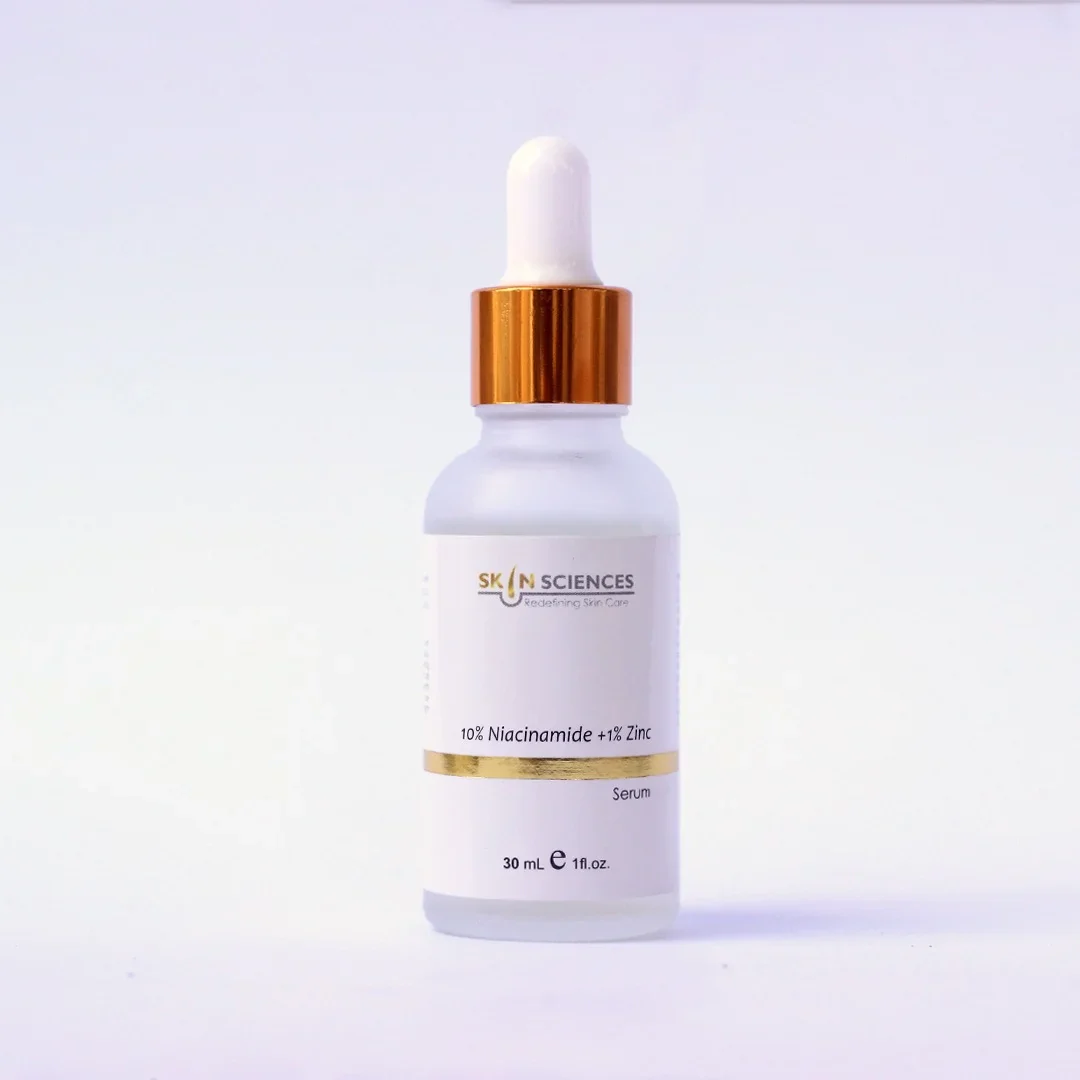
When adding Skin Sciences Niacinamide Serum to your routine, focus on consistency rather than using excessive amounts. Pair it with gentle cleansing, suitable hydration, and daily sunscreen for a more complete approach to skincare.
Most importantly, give your routine time. Healthy-looking skin usually comes from consistent habits rather than one quick fix.

 Arabic
 French
 Spanish
 Portuguese
 Deutsch
 Turkish
 Dutch
Dutch
 Italiano
 Russian
 Romaian
 Portuguese (Brazil)
 Greek
Greek
 Bengali