


What Patients Should Know Before Choosing PRP Treatment in Islamabad
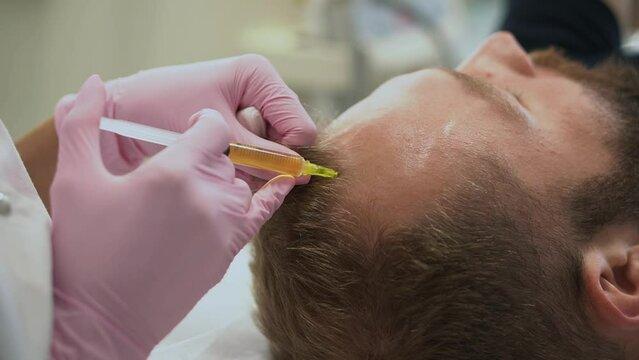
Choosing a regenerative or aesthetic treatment requires more than comparing prices or looking at before-and-after photos. PRP in Islamabad uses a patient’s own blood to prepare platelet-rich plasma, which is then applied or injected into the targeted area. Platelets contain growth factors involved in tissue repair, making PRP a popular option for concerns such as certain types of hair loss, skin rejuvenation, and selected healing applications. However, results can vary, and PRP should be selected after a proper clinical assessment rather than based on promises of guaranteed results.
What Is PRP Treatment?
PRP stands for Platelet-Rich Plasma. During the procedure, a small amount of blood is collected and processed using a centrifuge to separate and concentrate platelets within the plasma. The prepared PRP is then delivered to the treatment area according to the purpose of the procedure.
The basic process generally involves:
- Blood collection from the patient
- Centrifugation to separate blood components
- Preparation of platelet-rich plasma
- Application or injection into the selected area
- Follow-up to evaluate the response
Because PRP is derived from the patient's own blood, it is different from treatments involving donor materials. Nevertheless, sterile handling and appropriate injection technique remain important for patient safety.
Know Why You Are Considering PRP
Before booking an appointment, patients should clearly understand what they want PRP to achieve. PRP is not a universal treatment for every skin or hair concern.
For example, PRP may be considered for:
- Certain patterns of hair loss
- Supporting hair growth after hair transplantation
- Skin texture and rejuvenation
- Selected scars or wound-healing applications
- Some musculoskeletal conditions
The evidence differs significantly depending on the condition being treated. For cosmetic skin rejuvenation, research is still developing, and evidence does not support assuming that PRP will produce dramatic or permanent anti-aging results for everyone.
Choose a Qualified and Experienced Provider
One of the most important decisions is who performs the treatment. Patients should look beyond marketing claims and evaluate the qualifications, experience, consultation process, and clinical environment.
Ask about:
- The practitioner's relevant medical qualifications
- Experience with the specific type of PRP treatment
- How patient suitability is assessed
- The equipment and PRP preparation method used
- Infection-control and sterilization practices
- Follow-up arrangements
- How complications are handled
A good consultation should involve discussion of your concerns, medical history, current medications, expectations, and alternative treatment options.
Ask About the PRP Preparation Process
Not all PRP preparations are identical. The concentration and composition of PRP can vary according to the preparation system and protocol. This variation is one reason why treatment outcomes can differ between patients and studies.
Before treatment, ask the provider:
How is my blood processed?
What type of PRP system is being used?
How is sterility maintained?
How many sessions may I need?
What results are realistic for my condition?
These questions can help you make a more informed decision rather than choosing a clinic solely because it advertises PRP as a quick solution.
Understand Possible Benefits and Limitations
PRP may support tissue repair and stimulate biological processes involved in healing. For some hair-loss patients, studies and clinical experience suggest potential benefits, but outcomes are not guaranteed. Similarly, PRP skin treatments may provide gradual improvements in selected patients rather than an instant transformation.
Patients should therefore maintain realistic expectations.
PRP may not:
- Produce identical results for every patient
- Work equally well for every condition
- Permanently stop hair loss
- Replace every conventional medical treatment
- Provide immediate dramatic changes
A qualified provider should explain whether PRP is appropriate for your particular concern.
Consider Safety, Side Effects and Medical History
PRP is generally considered a relatively low-risk procedure, but side effects can occur. Temporary soreness, swelling, bruising or discomfort may develop after treatment. More serious complications, including infection, bleeding, tissue injury or nerve injury, are possible, although uncommon. Proper sterile technique is particularly important because the patient's blood is being processed and returned to the body.
Tell your provider if you:
- Take blood-thinning medication
- Have a blood or platelet disorder
- Have an active infection
- Have significant medical conditions
- Are taking other medications or supplements
- Have previously experienced complications from injections
Do not stop prescribed medication simply to prepare for PRP unless your healthcare professional specifically advises you to do so.
Evaluate the Clinic Before Treatment
For patients searching for PRP treatment in Islamabad, the clinic environment deserves careful consideration. Look for a provider that prioritizes consultation, hygiene, appropriate patient selection, transparent communication, and follow-up rather than relying only on promotional claims.
SKN Cosmetics in Islamabad provides aesthetic and cosmetic treatment services where patients can discuss their concerns and explore whether PRP is suitable for their individual goals. Patients should still undergo a professional assessment before deciding on any procedure.
Understand Recovery and Results
PRP usually does not involve a lengthy recovery period, but the exact aftercare depends on the treatment area and technique. Patients may experience temporary redness, tenderness, swelling or bruising.
Results are generally gradual rather than immediate. For scalp PRP, noticeable changes may take several months, while skin-related improvements may develop progressively. Some patients may require multiple sessions, and maintenance treatments may be recommended depending on the indication and response.
What Should You Ask During Your Consultation?
Before committing to treatment, prepare a few practical questions:
- Am I a suitable candidate for PRP?
- What improvement can realistically be expected?
- How many sessions might I need?
- What are the possible side effects?
- What preparation is required?
- What aftercare should I follow?
- Are there alternative treatments I should consider?
- How will my progress be monitored?
These questions encourage informed consent and help patients understand both the potential benefits and limitations.
Final Thoughts
Choosing PRP should be based on medical suitability, provider expertise, appropriate preparation, safety standards and realistic expectations—not simply on price or advertising. Patients considering PRP treatment in Islamabad should have a detailed consultation, understand the evidence for their specific concern, and select a clinic that emphasizes patient safety and individualized care. PRP can be a useful option for selected patients, but its effectiveness varies and no responsible provider should guarantee identical results for everyone.
FAQs
Is PRP treatment safe?
PRP is generally low risk, but bruising, swelling, discomfort and infection can occur.
How many PRP sessions are needed?
The number varies according to the condition, treatment plan and individual response.
Are PRP results permanent?
No. Results vary and may require maintenance treatments.
Does PRP work for hair loss?
PRP may help selected types of hair loss, but results differ between patients.
How long do PRP results take?
Results are usually gradual and may take several weeks to months depending on the treatment.

 English
 Arabic
 French
 Spanish
 Portuguese
 Deutsch
 Dutch
Dutch
 Italiano
 Russian
 Romaian
 Portuguese (Brazil)
 Greek
Greek
 Bengali