


What Your Grocery Shopping Habits Can Teach You About Kitchen Design
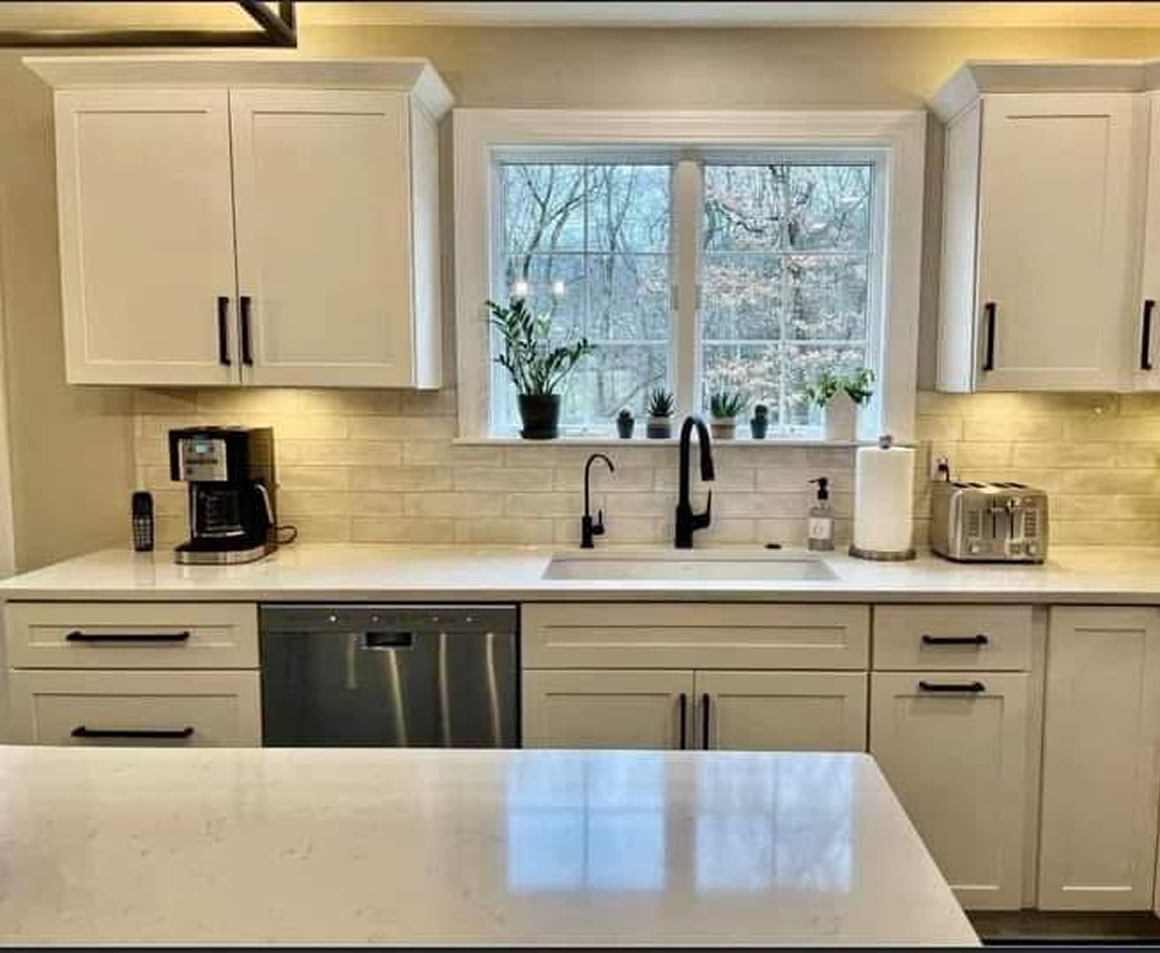
A kitchen should make everyday life easier, and one of the best ways to design a practical kitchen is to understand how you actually use it. While colors, cabinets, countertops, and appliances all matter, your daily habits can provide some of the most useful information when planning a new space.
One habit that can reveal a lot about your kitchen needs is grocery shopping. What you buy, how often you shop, how much you purchase, and where you put everything after returning home can all influence the right kitchen layout.
Instead of choosing a design simply because it looks attractive, consider how your shopping routine affects storage, preparation areas, appliances, and movement. This approach can help create a kitchen that feels natural to use every day.
Your Grocery Routine Can Reveal Your Storage Needs
Think about your typical grocery trip. Do you buy fresh food several times a week, or do you purchase large quantities once or twice a month? Do you stock up on canned goods, frozen foods, snacks, baking supplies, or household products?
These habits can affect how much storage your kitchen needs.
Someone who shops frequently may benefit from more accessible refrigerator space and flexible pantry storage. A household that buys in bulk may need larger cabinets, deeper pantry shelves, or dedicated areas for extra supplies.
During a Kitchen Renovation And Remodel, understanding these patterns can help you avoid choosing storage based only on the size of the room. The goal is to create storage that supports the way you live.
Look at What You Buy Most Often
Your Shopping List Can Guide Cabinet Planning
Your grocery list is almost like a map of your kitchen storage needs. If you regularly purchase pasta, rice, cereal, canned food, spices, baking ingredients, and snacks, you need storage that keeps these items visible and easy to reach.
If fresh produce is a major part of your diet, refrigerator and countertop planning may be more important. You may also benefit from a convenient preparation area close to the refrigerator.
For households that prepare many meals at home, cooking tools and ingredients should be placed where they can be reached without unnecessary movement.
Avoid Storage That Does Not Match Your Lifestyle
A common design mistake is creating storage for items that are rarely used while leaving everyday products without a convenient home.
For example, a large cabinet designed for occasional serving dishes may not be as useful as several drawers for cookware and utensils if you cook every day.
Good kitchen design starts with real habits. Before selecting cabinets, think about the items you reach for most often and where you naturally place them.
Bulk Shopping Requires Different Kitchen Design
More Groceries Need More Flexible Storage
Bulk shopping can save time and money, but it can also create storage challenges. Large packages of paper products, drinks, snacks, cooking ingredients, and cleaning supplies can quickly fill a small pantry.
If bulk shopping is part of your routine, consider storage that can accommodate different package sizes. Adjustable shelves can be useful because they allow the available space to change as your needs change.
A Full House Renovation can also provide opportunities to improve storage beyond the kitchen. Additional pantry areas, utility storage, or improved entryway organization may help prevent household supplies from taking over the kitchen.
Keep Frequently Used Items Within Reach
Not every item needs to be stored in the easiest location. Everyday groceries should generally be accessible, while seasonal products or backup supplies can be placed in less convenient areas.
This simple distinction can make a kitchen feel more organized without requiring excessive storage.
Your Grocery Frequency Can Influence Refrigerator Design
Frequent Shoppers May Need Accessibility
If you purchase fresh food several times a week, your refrigerator is likely one of the most frequently used areas in the kitchen.
Think about what you store inside it. Do you need plenty of space for vegetables, drinks, meal ingredients, leftovers, or prepared foods?
The right refrigerator size is not necessarily the largest model available. It should fit your shopping habits while leaving enough room for other kitchen functions.
The placement of the refrigerator matters too. It should be easy to access without blocking the main cooking or preparation area.
Think About What Happens After You Get Home
Grocery shopping does not end when you walk through the front door. There is a sequence that follows: bags come inside, groceries are sorted, refrigerated items are put away, pantry products are stored, and packaging may be discarded.
Your kitchen should support this process.
If the refrigerator is positioned far from the main entrance, carrying several grocery bags across the kitchen may become inconvenient. A nearby counter can provide a temporary unloading area. Pantry storage close to the refrigerator can also make putting groceries away easier.
When planning a Kitchen Renovation And Remodel, consider this entire routine instead of looking only at individual cabinets.
Create Zones Based on How You Cook
Preparation Items Should Be Easy to Reach
Once groceries are stored, think about what happens when you prepare a meal.
Vegetables may come from the refrigerator and move to a cutting board. Seasonings may come from a cabinet. Pots and pans may be needed from a lower drawer. Ingredients may then move toward the stove or another cooking appliance.
Your kitchen layout should make these movements feel natural.
Placing related items near one another can reduce unnecessary steps and make cooking more comfortable. It also makes it easier for more than one person to work in the kitchen without constantly getting in each other's way.
Separate Everyday and Occasional Items
Your kitchen probably contains items you use every day and others you only use occasionally.
Everyday items might include:
- Plates, glasses, utensils, cookware, cutting boards, and frequently used ingredients.
- Coffee supplies, breakfast foods, snacks, and other products your household reaches for regularly.
Less frequently used items can be placed in higher cabinets, deeper storage areas, or other suitable locations.
This arrangement keeps the most convenient storage available for the things that matter most in daily life.
Your Cooking Style Matters Too
Grocery shopping habits often reflect cooking habits. Someone who buys fresh ingredients throughout the week may prepare meals differently from someone who relies on frozen foods or ready to heat meals.
If you enjoy cooking from scratch, you may need more preparation space and easy access to knives, cutting boards, mixing bowls, spices, and cookware.
If speed and convenience are more important, appliance placement may deserve greater attention. A coffee maker, microwave, air fryer, or other frequently used appliance should have a practical location.
There is no single kitchen layout that works for everyone. The best design is the one that supports your personal routine.
Consider Your Family's Shopping Habits
One Person Uses the Kitchen Differently From a Large Family
Household size can significantly affect kitchen design.
A couple may have different storage requirements than a family with several children. Larger households often need more refrigerator space, pantry capacity, dishes, snacks, and food preparation areas.
Children can also influence how storage is arranged. Everyday snacks or frequently used items may be placed in lower, appropriate storage areas so children can access them safely without climbing or reaching dangerous locations.
The kitchen should support the people who use it most.
Plan for Future Changes
Your grocery habits may change over time. A household may grow, children may become independent, dietary preferences may change, or you may simply start cooking more often.
Flexible storage can make it easier to adapt.
Adjustable shelves, drawers of different sizes, and practical pantry layouts can accommodate changing needs better than highly specialized storage.
During a Full House Renovation, thinking about future lifestyle changes can be especially valuable because the decisions you make may influence how the home works for many years.
Use Your Habits Before Choosing Your Style
Design inspiration is useful, but it should not be the only factor guiding your decisions. A beautiful kitchen may still become frustrating if it does not provide enough storage for your grocery routine.
Before making design choices, take a few days to observe your habits. Notice where groceries are placed when you come home, which cabinets become crowded, which appliances remain on the counter, and which foods are difficult to reach.
These observations can provide practical information for your project.
A Kitchen Renovation And Remodel should solve real problems, not simply create a different appearance. When design decisions are based on everyday behavior, the finished space is more likely to feel comfortable and useful.
When a Larger Renovation May Be Worth Considering
Sometimes the kitchen is not the only area affected by storage and layout problems. If your home has limited pantry space, poor storage throughout the house, an awkward laundry area, or rooms that no longer fit your lifestyle, a broader project may make sense.
A Full House Renovation allows homeowners to look at how different spaces work together. It can provide an opportunity to improve storage, traffic flow, functionality, and overall comfort throughout the property.
However, the scope of a renovation should always match your actual needs and budget. Not every kitchen problem requires a complete home transformation.
Conclusion
Your grocery shopping habits can tell you more about your ideal kitchen than you might expect. The foods you buy, how often you shop, how much you store, and how you prepare meals can all help guide decisions about cabinets, pantry space, refrigerator placement, countertops, and appliances.
A practical Kitchen Renovation And Remodel starts with understanding how the household actually uses the space. For larger home improvement needs, a Full House Renovation can provide a broader opportunity to improve storage and functionality throughout the property.
If you are ready to create a kitchen or home that better fits your everyday routine, Quick & Perfect Renovation can help turn those practical needs into thoughtful renovation solutions.

 English
 Arabic
 Spanish
 Portuguese
 Deutsch
 Turkish
 Dutch
Dutch
 Italiano
 Russian
 Romaian
 Portuguese (Brazil)
 Greek
Greek
 Bengali