


How Enterprise Mobile Apps Are Transforming Modern Business Operations
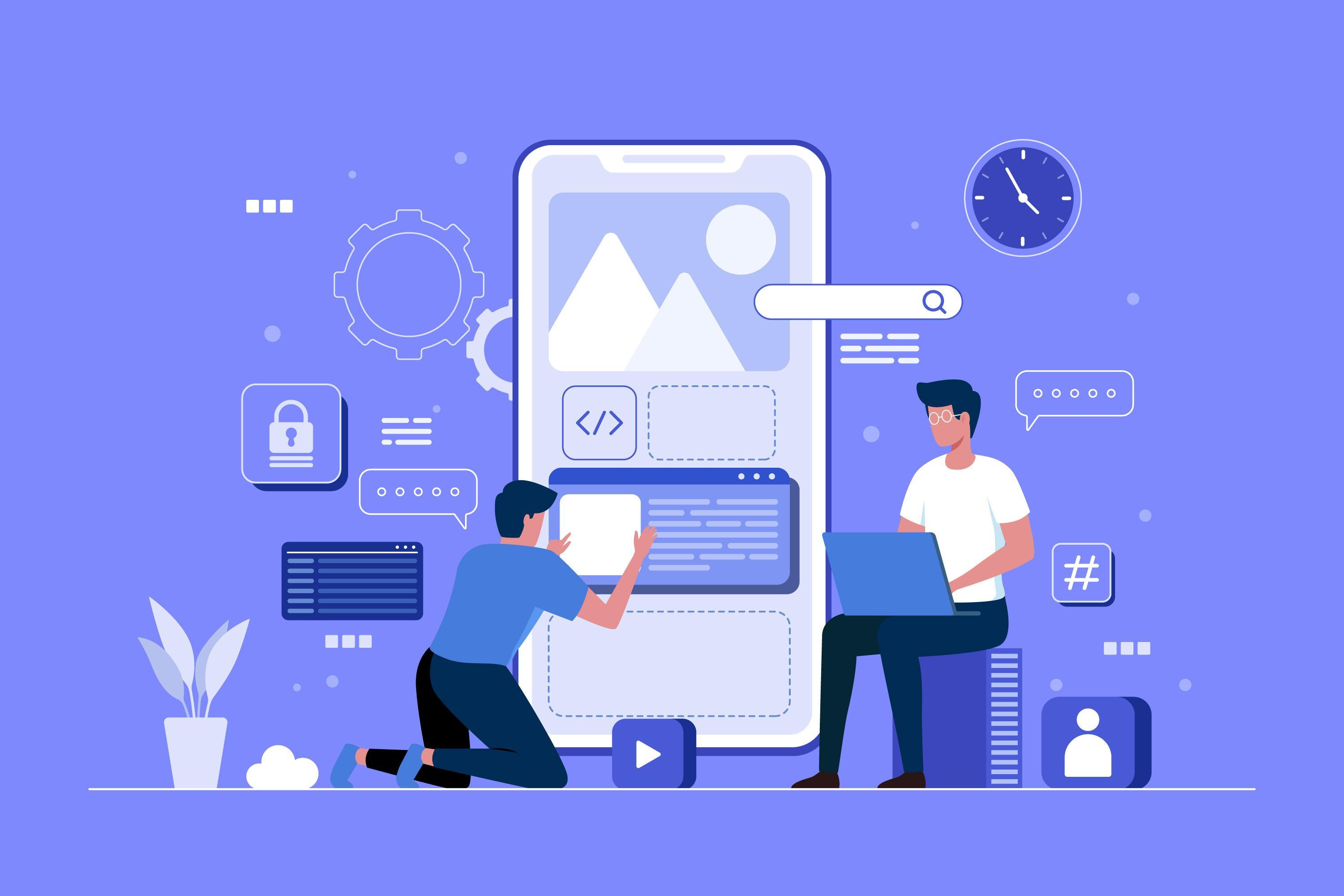
Mobile technology has become an important part of how businesses communicate, manage operations, collect information, and engage with customers. For organizations with distributed teams and field-based operations, mobile applications can provide a practical way to connect employees with business systems from almost anywhere.
While consumer mobile apps often focus on convenience and engagement, enterprise mobile applications are designed to solve specific operational and business challenges. They can support sales teams, field service employees, inspectors, managers, customers, and other users who need access to business information while working remotely.
What Are Enterprise Mobile Applications?
Enterprise mobile applications are mobile solutions designed to support business processes and organizational requirements. They may connect employees to internal systems, allow field teams to capture information, provide access to operational data, or enable customers to interact with business services.
Unlike generic applications, enterprise mobile solutions are often designed around specific workflows. This makes them particularly useful when an organization has unique processes that cannot be effectively handled through standard mobile software.
For example, a company may need a mobile application for sales force automation, inspection reporting, field service management, incident reporting, customer engagement, or data collection.
Why Mobile Applications Matter for Businesses
The modern workforce is increasingly distributed. Employees may work from offices, customer locations, warehouses, construction sites, manufacturing facilities, or other field environments.
A mobile application can give these teams access to relevant information and business processes without requiring them to return to a desktop workstation.
Some of the major benefits include:
-
Faster access to business information
-
Improved field productivity
-
Real-time data collection
-
Better communication between teams
-
Reduced manual paperwork
-
Improved workflow visibility
-
Greater customer engagement
-
Easier integration with enterprise systems
The value of an enterprise mobile application depends largely on how well it fits into the organization's existing processes.
Supporting Field Teams With Mobile Technology
Field employees often work in environments where desktop systems are not practical. Sales representatives, inspectors, technicians, delivery teams, and service professionals may need to complete tasks while travelling or working at customer locations.
A mobile application can allow these employees to access required information, submit reports, capture images, complete forms, and update operational records directly from their mobile devices.
For example, an inspection application could allow a field employee to record inspection results, capture photographs, complete checklists, and submit information to a centralized business system.
This reduces the dependency on manual processes and can improve the speed at which information reaches management teams.
The Importance of Offline Mobile Functionality
One of the challenges associated with enterprise mobility is inconsistent network connectivity.
Field employees may work in remote locations, industrial facilities, underground environments, or areas with unreliable internet connections. An application that requires a continuous connection may not provide a reliable user experience in these situations.
Offline functionality allows selected application capabilities to continue working when connectivity is unavailable. Information can be stored locally and synchronized with backend systems when the connection becomes available again.
This approach can be especially important for applications used by field teams that cannot always depend on stable internet access.
Integrating Mobile Apps With Enterprise Systems
A mobile application is rarely an isolated system within a large organization. It may need to communicate with CRM platforms, ERP systems, databases, cloud services, payment systems, analytics platforms, or other enterprise applications.
Integration allows mobile users to access relevant business information without maintaining separate disconnected datasets.
APIs can provide a structured way for mobile applications to communicate with backend systems. Technologies such as REST and GraphQL can support different integration requirements depending on the application's architecture.
A well-designed integration strategy can also reduce duplicate data entry and help maintain consistency across systems.
Choosing the Right Mobile Development Approach
Businesses have several options when developing mobile applications. The right approach depends on factors such as performance requirements, target devices, development resources, application complexity, and long-term maintenance.
Native Mobile Development
Native applications are developed specifically for a particular operating system. Technologies such as Swift for iOS and Kotlin for Android can provide strong platform-specific capabilities and performance.
Native development can be suitable when an application requires deep integration with device features or highly optimized platform experiences.
Cross-Platform Development
Cross-platform technologies allow organizations to build applications that can operate across multiple platforms using a shared development approach.
Frameworks such as React Native and Flutter can help businesses develop mobile applications for different platforms while maintaining a significant portion of shared code.
The appropriate choice depends on the application's functional and technical requirements rather than simply selecting the most popular framework.
Security Considerations for Enterprise Mobile Apps
Enterprise mobile applications may handle sensitive business information, customer records, operational data, or employee information. Security therefore needs to be considered throughout the development lifecycle.
Important areas can include:
-
Secure authentication
-
Authorization and access controls
-
Encryption
-
Secure API communication
-
Data protection
-
Device security
-
Session management
-
Regular security testing
-
Monitoring and logging
Security should be incorporated into the application's architecture rather than treated as an additional feature after development is complete.
Designing Mobile Apps for Scalability
An application may initially serve a limited number of users, but business adoption can increase significantly over time. Enterprise mobile applications therefore need to consider scalability from the beginning.
Backend infrastructure, APIs, databases, cloud resources, and application architecture can all influence scalability.
Cloud platforms such as AWS, Azure, and Google Cloud can provide infrastructure that supports applications as usage and data requirements grow.
Scalability planning is particularly important for applications used across multiple locations or by large field teams.
User Experience Is Critical
Enterprise applications are often used repeatedly throughout the working day. If an application is difficult to navigate or requires too many steps to complete routine tasks, employees may avoid using it.
A good enterprise mobile experience should prioritize simplicity and clarity.
Important considerations include:
-
Simple navigation
-
Clear workflows
-
Fast loading times
-
Easy data entry
-
Appropriate use of notifications
-
Accessibility
-
Responsive interfaces
-
Minimal unnecessary steps
The application's design should reflect the environment in which users will actually operate. A field employee working outdoors may have very different requirements from an office-based administrator.
Mobile Applications and Digital Transformation
Enterprise mobility can contribute to broader digital transformation initiatives by connecting employees, customers, systems, and data.
A mobile application can become the front-end layer through which users interact with enterprise platforms. Behind the application, APIs, cloud infrastructure, databases, and business systems can work together to deliver the required functionality.
This makes mobile development more than simply creating an application for smartphones. It can become part of a broader technology ecosystem designed to improve business processes.
Selecting a Mobile App Development Partner
Organizations planning an enterprise mobile application should evaluate development partners based on more than their ability to build an app.
A suitable technology partner should understand business workflows, backend architecture, integrations, security, scalability, testing, deployment, and long-term maintenance.
Businesses should consider factors such as:
-
Experience with enterprise mobile applications
-
Native and cross-platform development expertise
-
API and system integration capabilities
-
Cloud technology experience
-
Security and testing practices
-
Understanding of offline requirements
-
Scalability planning
-
Post-launch maintenance and support
An integration-first approach can be particularly valuable when the mobile application needs to connect with existing enterprise systems.
Conclusion
Enterprise mobile applications can help organizations bring business processes closer to employees and customers. From field sales and inspections to service operations and customer engagement, mobile technology can improve how information is collected, accessed, and shared.
However, successful mobile application development requires more than creating a visually appealing interface. The application needs to fit actual workflows, integrate with existing systems, work reliably in different environments, protect business information, and scale with organizational growth.
For businesses evaluating their mobility strategy, enterprise mobile app development services can provide a structured approach to designing and delivering applications that align with operational requirements and long-term digital goals.

 Arabic
 French
 Spanish
 Portuguese
 Deutsch
 Turkish
 Dutch
Dutch
 Italiano
 Russian
 Romaian
 Portuguese (Brazil)
 Greek
Greek
 Bengali