


How to Make Your Property Less Attractive to Rats
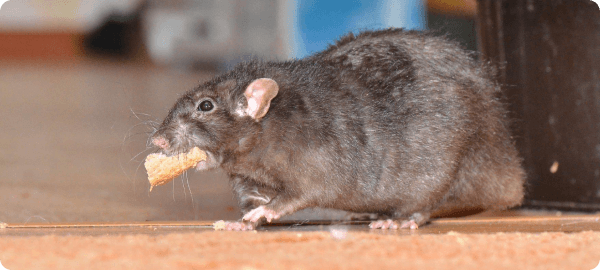
Rats can become a concern when residential and commercial properties provide convenient access to food, water and shelter. These conditions can develop without obvious signs, particularly around gardens, garages, storage areas and waste collection points. Rats Pest Control Perth helps property owners understand the environmental factors that may encourage rodent activity. When signs become persistent, rat pest control Morley may be considered alongside practical measures designed to reduce food sources, shelter and potential access points.
Why Rats May Settle Near Buildings
Rats are adaptable animals capable of living in a variety of urban environments. They can take advantage of resources around homes, businesses, sheds, warehouses and other structures.
Food is one of the most important attractions. Open rubbish, food scraps, animal feed, compost and fallen fruit can provide easy feeding opportunities. Water sources such as leaking taps, damaged pipes and areas of standing water may also encourage activity.
Sheltered locations are equally important. Roof cavities, wall spaces, garages, garden sheds and areas beneath outdoor structures can provide protection from weather and other threats.
Removing or reducing these conditions can make a property less suitable for rodents.
Recognising Evidence of Rodent Activity
Directly seeing a rat is not always necessary to identify a potential problem. Rodents often move through properties at night and leave evidence behind.
Homeowners and property managers should watch for:
· Droppings around cupboards or storage areas
· Gnawing marks on timber and packaging
· Scratching sounds within ceilings or walls
· Nesting materials in concealed spaces
· Damaged food containers
· Unusual smells
· Burrows around outdoor areas
· Repeated movement near rubbish storage
The location of these signs can provide clues about where rodents are travelling or nesting.
Protecting Food and Household Supplies
Food should be stored in sealed containers that rodents cannot easily chew through. Open packets, cardboard boxes and bags can be vulnerable if left in accessible locations.
Kitchen areas should be cleaned regularly, particularly after meals. Crumbs, spills and food scraps should not be allowed to accumulate.
Rubbish should be placed in bins with secure lids. Where possible, bins should be kept away from doors and other potential entry points.
Pet food is another consideration. Animal feed should be stored securely, and outdoor bowls should not remain filled for long periods.
Maintaining Gardens and Outdoor Spaces
A well-maintained garden can make rodent activity easier to detect. Dense vegetation, piles of garden waste and unused materials can create hidden routes and nesting areas.
Grass and vegetation should be maintained, while unnecessary clutter should be removed. Timber, boxes and equipment should be stored neatly rather than left against external walls.
Fallen fruit should be collected regularly. Compost areas should also be managed carefully to reduce accessible food sources.
These measures can improve general property hygiene while reducing potential shelter opportunities.
Inspecting Garages, Sheds and Storage Areas
Storage areas can provide ideal hiding places because they are often quiet and rarely disturbed. Cardboard boxes, old furniture, gardening tools and unused equipment can create concealed spaces.
Regular organisation can make these areas easier to inspect. Unnecessary materials should be removed, while stored goods should be kept in a way that leaves corners and walls accessible.
Food products, animal feed and other attractive materials should be kept in secure containers.
If signs of nesting are discovered, disturbing the area unnecessarily may make it harder to determine where the rodents are travelling.
Understanding Local Property Conditions
Every property has its own combination of environmental factors. The surrounding landscape, building design, garden layout, waste storage and nearby activity can all influence rodent behaviour.
For residents researching rat pest control Joondalup looking at the individual characteristics of a property can be more useful than applying a general solution. Identifying where rodents find food, shelter and access can help determine which preventative measures deserve attention.
A professional inspection can provide another perspective when signs continue despite routine maintenance.
Checking Potential Entry Points
Rodents can use openings around buildings that may be overlooked during normal maintenance. Doors, vents, pipes, roofing, utility connections and damaged screens should be checked periodically.
Gaps should be repaired using suitable materials that provide durable protection. Door seals should fit properly, and damaged screens should be replaced.
It is important not to seal significant openings blindly if rodents may already be inside. A proper assessment can help determine whether exclusion work should be completed immediately or after activity has been addressed.
What to Do About Unusual Smells
An unexplained odour in a wall, ceiling or enclosed space can sometimes be associated with a dead rodent. Other causes are also possible, so the source should be investigated rather than assumed.
If an animal has died inside an inaccessible cavity, locating and safely removing it can be difficult. Property owners should avoid opening walls or ceilings unnecessarily without understanding the likely location.
After removal, the affected area may require appropriate cleaning depending on the circumstances.
Why Regular Monitoring Is Important
Rodent prevention should be treated as an ongoing property management task. Changes in weather, landscaping, construction and storage arrangements can create new opportunities for rodents.
Property owners should periodically inspect outdoor areas, garages, roof spaces, rubbish storage and food areas. Early identification of new signs can make it easier to address potential causes.
Businesses can benefit from maintaining inspection routines around loading areas, storage rooms, waste facilities and food-handling spaces.
Building Better Prevention Habits
A property is less likely to support persistent rodent activity when food, water, shelter and access are properly managed. Simple habits such as securing rubbish, storing food correctly, maintaining gardens and repairing building gaps can make a meaningful difference.
Where repeated signs indicate that rodents may have established regular activity, rat pest control Baldivis may be considered as part of a professional assessment and management approach.
Combining preventative maintenance with timely investigation can help reduce the chance of recurring problems. Regular attention to the condition of both indoor and outdoor areas provides property owners with a better opportunity to identify changes early and maintain a cleaner, more secure environment.

 Arabic
 French
 Spanish
 Portuguese
 Deutsch
 Turkish
 Dutch
Dutch
 Italiano
 Russian
 Romaian
 Portuguese (Brazil)
 Greek
Greek
 Bengali