


Graves' Disease vs. Hyperthyroidism: What's the Difference?
Your heart is racing, you're dropping weight without trying, and you feel wired even after a full night's sleep. Something's off, and a quick search leads you to two terms that seem to mean the same thing: Graves' disease and hyperthyroidism.
Here's the thing, they're related, but they're not identical twins. One is a broad condition. The other is a specific cause behind it. In this post, we'll break down what each term actually means, how their symptoms overlap (and where they don't), how doctors tell them apart, and what treatment looks like for each.
What Is Hyperthyroidism, Exactly?
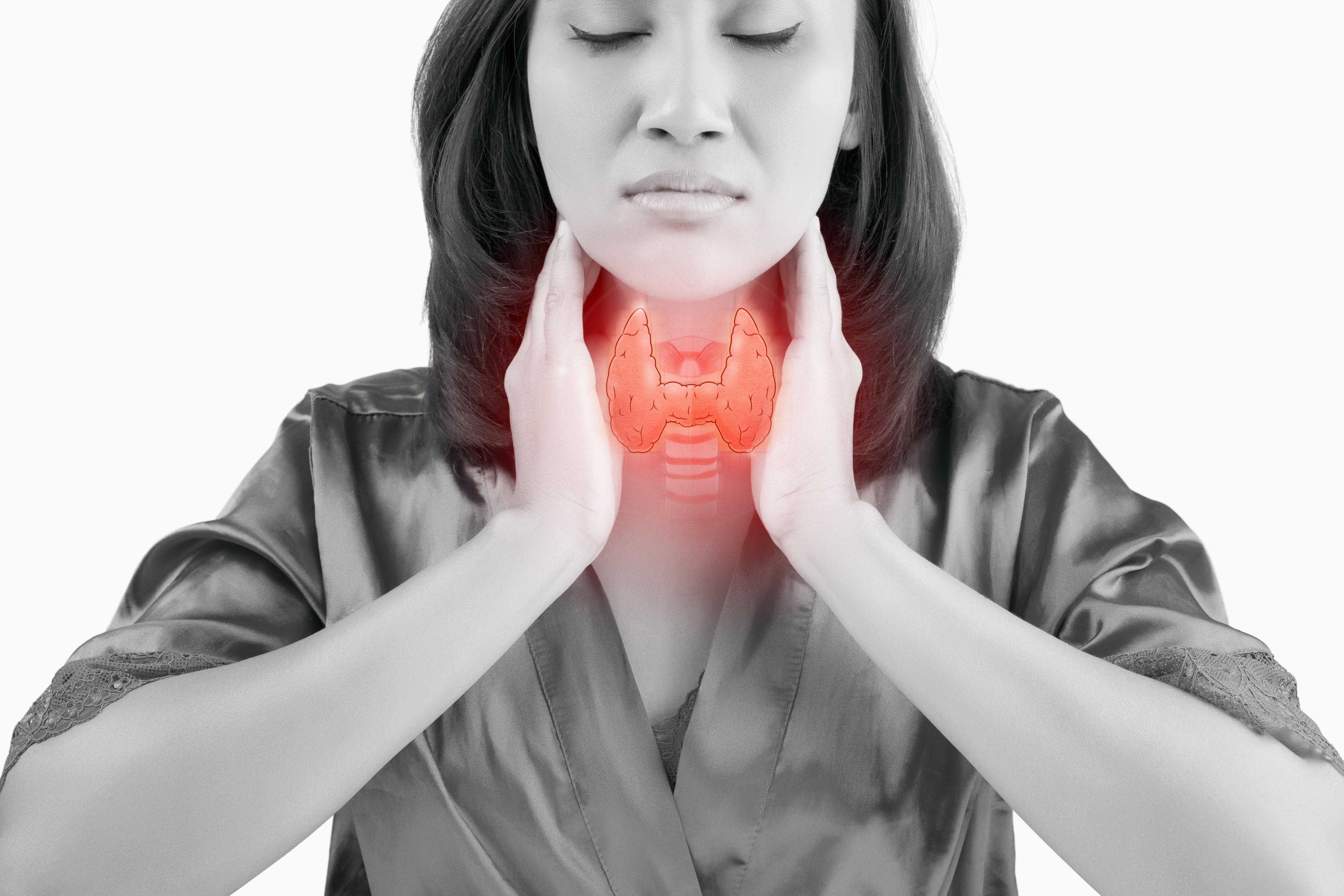
Hyperthyroidism happens when your thyroid gland goes into overdrive and pumps out more hormone than your body needs. That small, butterfly-shaped gland in your neck controls a lot more than people realize, it regulates your metabolism, heart rate, body temperature, and even how your digestive system runs. When it's overactive, everything speeds up.
You might be wondering: what actually causes this? Graves' disease is one answer, but it's not the only one. Other causes include toxic nodules (small lumps on the thyroid that produce excess hormone on their own), thyroiditis (inflammation that temporarily leaks stored hormone into your bloodstream), too much iodine intake, and certain medications that affect thyroid function. So hyperthyroidism is really an umbrella term. It describes what's happening, not necessarily why.
So What Is Graves' Disease, Then?
Graves' disease is an autoimmune condition, and it happens to be the most common reason people develop hyperthyroidism in the first place. Instead of a nodule or inflammation triggering the excess hormone, your own immune system is behind it here.
Here's how it works: your immune system produces antibodies called thyroid-stimulating immunoglobulins, or TSI for short. These antibodies mistakenly attach to receptors on your thyroid and trick the gland into producing far more hormone than it should. It's a case of your body's defense system misfiring and attacking a part of you it's supposed to protect.
Graves' disease shows up most often in women under 40, though it can affect anyone. And unlike other causes of hyperthyroidism, it sometimes brings along symptoms that have nothing to do with hormone levels, particularly around the eyes and skin, which we'll get into next.
How Are the Symptoms Similar and Different?
Since Graves' disease is a type of hyperthyroidism, a lot of the symptoms overlap. Most people with an overactive thyroid, regardless of the cause, deal with:
- A rapid or irregular heartbeat
- Unexplained weight loss despite eating normally
- Anxiety, irritability, or a jittery feeling
- Hand tremors
- Trouble tolerating heat
- Difficulty sleeping
- Fatigue that doesn't match how "wired" you feel
However, Graves' disease can bring a few symptoms that other causes of hyperthyroidism typically don't. These include:
- Bulging or protruding eyes, a condition called Graves' ophthalmopathy
- Eye irritation, pressure, or a gritty feeling, sometimes with double vision
- Thickened, reddish skin on the shins (this one's rarer, but it happens)
- A goiter that feels smoother and more uniform compared to the lumpy texture seen with nodules
If you're noticing eye changes along with the classic hyperthyroid symptoms, that's often a strong clue pointing toward Graves' disease specifically rather than another cause.
How Do Doctors Tell Them Apart?
Diagnosing hyperthyroidism usually starts with blood work. Your doctor will check your TSH (thyroid-stimulating hormone) level, along with T3 and T4, the actual thyroid hormones. Low TSH paired with high T3 or T4 confirms hyperthyroidism is present. But that test alone doesn't tell you the cause.
To pin down whether Graves' disease is behind it, doctors often run a TSI or TRAb antibody test. If those antibodies show up, Graves' disease is the likely culprit. On the other hand, if antibody levels come back normal, your doctor will look elsewhere toward nodules or thyroiditis instead.
A radioactive iodine uptake scan can add more clarity too. Graves' disease typically shows high, evenly spread uptake across the thyroid, while nodules show uptake concentrated in specific spots, and thyroiditis usually shows very low uptake overall. Combine that with a physical exam—checking for eye changes, goiter texture, and skin symptoms and doctors usually land on a clear diagnosis without much guesswork.
Does Treatment Differ Between the Two?
For hyperthyroidism in general, treatment often starts with antithyroid medications like methimazole, which slow down hormone production. Beta-blockers are also commonly used early on, not to fix the thyroid itself, but to calm symptoms like a racing heart and shakiness while the main treatment takes effect.
When Graves' disease is the specific diagnosis, a couple of additional options come into play. Radioactive iodine therapy is a common route, it shrinks the thyroid gland over time and reduces hormone output, though it can eventually lead to an underactive thyroid that needs hormone replacement. Surgery to remove part or all of the thyroid (a thyroidectomy) is another option, particularly for larger goiters or when other treatments aren't a good fit.
Graves' ophthalmopathy, the eye-related symptom, sometimes needs separate treatment entirely. This can range from lubricating eye drops for mild irritation to steroids or specialized therapy for more serious cases. Whichever path you and your doctor choose, ongoing monitoring matters. Thyroid levels can shift during treatment, so regular blood work helps keep things on track.
When Should You See a Doctor?
If you're dealing with a racing heart, unexplained weight loss, tremors, or eye changes that won't go away, it's worth getting checked out sooner rather than later. These symptoms can overlap with other conditions too, so a proper diagnosis matters more than guessing based on an internet search. Left untreated, hyperthyroidism, whatever the cause can put strain on your heart and bones over time.
The good news? Both hyperthyroidism and Graves' disease are manageable once identified. Early diagnosis genuinely does make treatment smoother and outcomes better. So if something feels off, don't brush it aside.
Final Thoughts
Hyperthyroidism describes an overactive thyroid, while Graves' disease is the autoimmune condition most often responsible for it. They share a lot of symptoms, but Graves' disease brings its own signature signs, particularly around the eyes, and its own set of treatment considerations. Understanding this distinction isn't just a technicality, it shapes how doctors diagnose and treat the condition. If your body's sending you signals that something's not right, pay attention to them, and let a doctor help you sort out what's really going on.

 Arabic
 French
 Spanish
 Portuguese
 Deutsch
 Turkish
 Dutch
Dutch
 Italiano
 Russian
 Romaian
 Portuguese (Brazil)
 Greek
Greek
 Bengali