


Scalp Micropigmentation in Jeddah: An Effective Cosmetic Approach to Hair Loss
Scalp Micropigmentation in Jeddah: An Effective Cosmetic Approach to Hair Loss
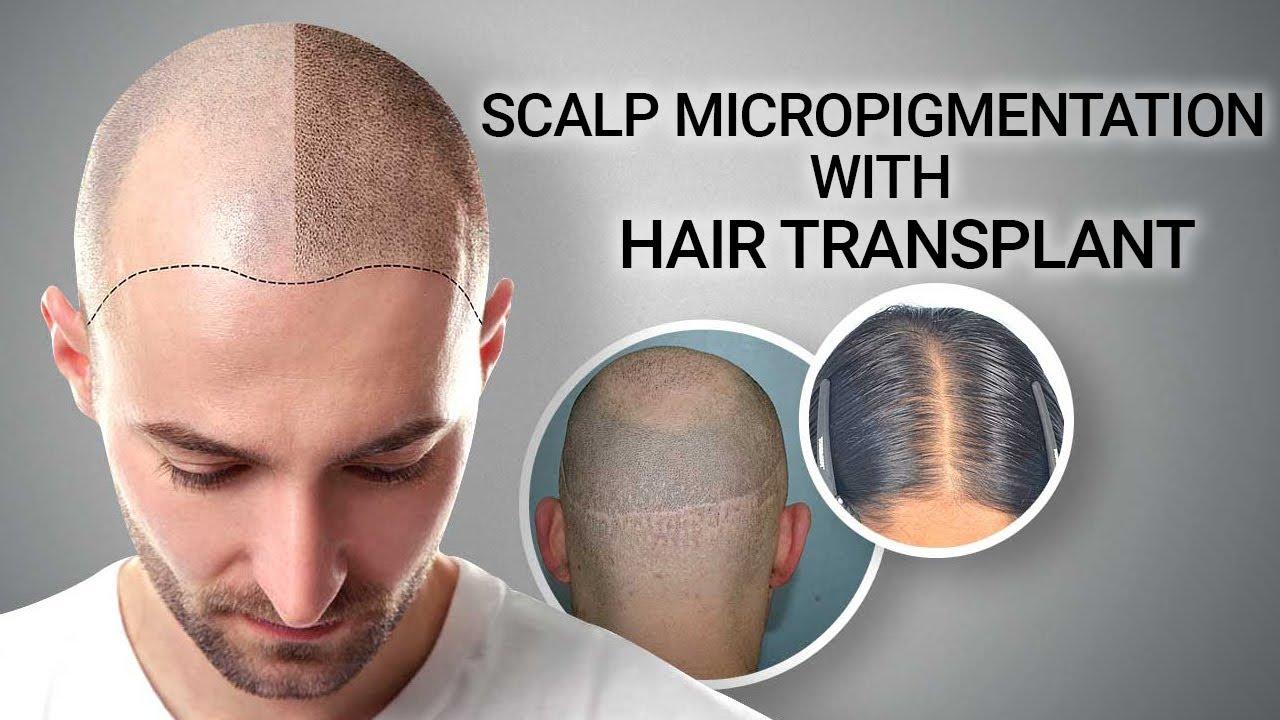
Scalp Micropigmentation in Jeddah has emerged Scalp Micropigmentation in Jeddahas a popular option for people who want to improve the appearance of thinning hair, baldness, receding hairlines, and visible scalp areas. Hair loss can affect both men and women and may develop for many different reasons. While some people choose hair-growth treatments or hair transplantation, others prefer a non-surgical cosmetic approach. Scalp Micropigmentation, commonly called SMP, addresses the visual aspect of hair loss by creating tiny pigment impressions that resemble natural hair follicles.
The treatment is designed to create the appearance of closely cropped hair or greater hair density. When the pigmentation is carefully planned and applied, it can blend with existing hair and produce a balanced appearance. Because the treatment does not involve transplanting follicles, it can be considered by people who want to avoid surgical hair restoration.
What Is Scalp Micropigmentation?
Scalp Micropigmentation is a specialized cosmetic procedure in which small amounts of pigment are deposited into the superficial layers of the scalp. Fine needles are used to create individual follicular impressions that resemble the appearance of short hair.
The technique is different from conventional tattooing. SMP requires an understanding of hairline design, scalp anatomy, pigmentation, skin tone, hair color, and the natural distribution of hair follicles. The objective is to create a subtle pattern rather than an obvious tattoo-like appearance.
A carefully performed treatment can help create the illusion of a fuller scalp or a defined shaved hairstyle.
Why Hair Loss Can Be Difficult to Manage
Hair loss is often more than a cosmetic concern. Changes in hair density can alter facial proportions and influence how a person feels about their appearance.
Some individuals experience gradual thinning over several years, while others develop noticeable bald spots. Receding hairlines can also make the forehead appear larger, while crown thinning can become especially visible under bright lighting.
Traditional solutions may not work equally well for everyone. Hair fibers require regular application, wigs require maintenance, and hair transplantation involves surgery. SMP provides another option for people primarily interested in improving the visual appearance of their scalp.
How Scalp Micropigmentation Works
The SMP process generally begins with an assessment and consultation. The practitioner examines the scalp and discusses the individual's goals.
The desired hairline and pigment style are then planned. Factors such as skin tone, existing hair color, degree of hair loss, and preferred hairstyle are considered.
During treatment, a specialized needle deposits tiny pigment points into the scalp. These points are positioned at varying distances and densities to imitate natural follicles.
The treatment may be completed over several sessions. This gradual approach allows the practitioner to build density and make adjustments based on how the pigment settles.
Who Can Consider SMP?
Scalp Micropigmentation may be considered by people experiencing several forms of hair loss.
Potential candidates include individuals with:
-
Receding hairlines
-
Male pattern baldness
-
Female hair thinning
-
Crown hair loss
-
Diffuse thinning
-
Bald patches
-
Visible scalp
-
Uneven hair density
-
Certain scalp scars
-
Hair loss after previous procedures
However, suitability should always be determined through an individual assessment. A person with an active scalp infection, significant irritation, or another scalp problem may need to address that issue before considering cosmetic pigmentation.
Scalp Micropigmentation for Male Pattern Baldness
Male pattern baldness is one of the most common reasons people explore SMP. It can affect the temples, frontal hairline, crown, or multiple areas of the scalp.
For men who prefer a short hairstyle, SMP can create the appearance of a consistent closely shaved head. Rather than showing a large difference between bald areas and areas containing hair, pigmentation can make the scalp appear more uniform.
For men who still have considerable hair, density treatment can also be considered. In this approach, pigment is placed between existing hairs to reduce the visibility of the scalp.
SMP for Women With Thinning Hair
Women can also experience noticeable hair thinning. In many cases, the hair does not disappear completely but becomes less dense, making the scalp more visible.
SMP can potentially help reduce this contrast, particularly around the parting and other areas where thinning is noticeable.
The technique for women may require a different approach from the traditional shaved-head style often associated with male SMP. The pigmentation can be designed to complement existing hair rather than creating an obvious shaved appearance.
Creating a Natural Hairline
Hairline design is a critical part of Scalp Micropigmentation. The hairline needs to complement the individual's facial features and existing hair pattern.
A natural hairline typically includes subtle variation rather than appearing like a perfectly straight line. The density can also be gradually increased behind the front edge to create a more realistic transition.
Age should also be considered. A hairline that is artificially low may appear unnatural over time, particularly if the person's natural hair continues to thin.
Treating the Crown
The crown can be one of the most challenging areas to address because hair naturally grows in different directions around this region.
SMP can be used to add follicular impressions to areas where the scalp is visible. The practitioner needs to consider surrounding hair density and direction when placing the pigment.
The objective is to create visual consistency rather than simply filling the entire crown with pigment.
Treating Receding Temples
The temples can become increasingly visible as hairlines recede. SMP can be used to create the appearance of additional follicular coverage in suitable areas.
The treatment should be designed conservatively to maintain a realistic relationship between the forehead, temples, and remaining hair.
Scalp Scar Camouflage
Scalp scars may result from previous surgery, injuries, or hair transplantation. Depending on the scar and surrounding skin, SMP may help reduce its visual prominence.
Pigmentation can sometimes make a scar blend more closely with surrounding scalp tissue. However, scar tissue does not always retain pigment in the same way as normal skin.
A professional assessment is therefore particularly important before treating scar tissue.
The Importance of Pigment Selection
Pigment selection is one of the most important technical considerations in SMP. The color needs to complement the person's natural hair and skin tone.
Using pigment that is excessively dark or poorly matched may create an unnatural appearance. A professional approach focuses on subtle tones and appropriate density rather than simply choosing the darkest possible pigment.
As the treatment progresses, pigment can also be adjusted to achieve the desired appearance.
How Many Sessions Are Needed?
There is no single number of sessions that applies to every person. The treatment schedule depends on the size of the area, degree of hair loss, desired density, skin characteristics, and individual healing response.
Multiple sessions may allow the practitioner to gradually build the desired appearance. After each session, the scalp has time to heal and the pigment can settle before additional work is performed.
This staged process can help create a more controlled final result.
What Happens After Treatment?
Immediately following treatment, the scalp may show mild redness, sensitivity, or temporary irritation. Pigmentation can initially appear darker than expected.
As the scalp heals, the appearance generally becomes softer and more natural. It is important not to judge the final outcome immediately after a session because the pigment can change as the skin recovers.
Following the recommended aftercare routine is an important part of the process.
SMP Aftercare
Proper aftercare helps protect the treated area while the skin heals. Specific instructions may vary depending on the treatment technique and individual skin characteristics.
Common precautions can include avoiding unnecessary touching of the scalp, limiting activities that cause excessive sweating for a specified period, and avoiding products that have not been recommended for the treated area.
Sun exposure should also be managed appropriately because prolonged exposure can contribute to pigment fading.
How Long Can SMP Results Last?
Scalp Micropigmentation is designed to provide long-lasting cosmetic results, but the pigment can gradually fade.
Factors such as sun exposure, skin characteristics, skincare habits, and natural skin renewal can influence how quickly the pigmentation changes.
Some individuals may eventually choose a maintenance session to refresh areas that have become lighter. The timing of maintenance varies between individuals.
Benefits of Scalp Micropigmentation
SMP offers several potential advantages.
Non-Surgical Treatment
The procedure does not require follicle extraction, incisions, or hair transplantation.
Suitable for Various Hair-Loss Patterns
It can be adapted to baldness, thinning, receding hairlines, and certain scars.
Customized Appearance
Hairline shape, density, and pigment can be tailored to the individual.
Low Daily Maintenance
After healing, there is no need to apply hair fibers or concealers every day.
Cosmetic Improvement
SMP can make the scalp appear more defined and can reduce the visual contrast caused by hair loss.
SMP Compared With Hair Transplantation
Hair transplantation and SMP provide different types of results.
Hair transplantation moves living follicles from one area to another, with the aim of producing actual hair growth. SMP does not create new follicles. Instead, it creates a visual representation of follicles using pigment.
Someone interested in actual hair growth may prefer to discuss hair transplantation with a qualified professional. Someone looking for a non-surgical cosmetic option may find SMP more appealing.
In certain circumstances, both treatments can be used as complementary approaches, depending on the individual's needs.
Preparing for Scalp Micropigmentation in Jeddah
Preparation begins with a consultation. Individuals should discuss their goals and provide information about previous scalp treatments or procedures.
The scalp may need to be clean and free from certain products before treatment. Any existing scalp irritation should also be discussed before the session.
It is useful to have realistic expectations from the beginning. SMP can improve the appearance of hair loss, but it does not stop the biological process responsible for hair loss and does not produce new hair follicles.
Choosing a Professional Treatment Approach
The final appearance of SMP depends significantly on the quality of the technique. Important factors include hairline design, pigment selection, dot placement, density, hygiene, and understanding of scalp characteristics.
Individuals considering Scalp Micropigmentation in Jeddah should evaluate whether the treatment approach matches their desired hairstyle and level of hair loss. Asking about the procedure, aftercare, expected healing process, and potential need for maintenance can help people make informed decisions.
Final Thoughts
Scalp Micropigmentation in Jeddah offers a non-surgical cosmetic solution for people who want to improve the appearance of hair loss. Through precise application of small pigment points, the procedure can create the visual impression of natural hair follicles, reduce scalp visibility, and provide the appearance of a closely shaved hairstyle or increased density.
The treatment can be adapted for men and women, including individuals with receding hairlines, crown thinning, diffuse hair loss, bald patches, and certain scalp scars. Results depend on careful planning and individualized treatment.
Anyone considering SMP should understand that it is a cosmetic procedure rather than a hair-growth treatment. A professional consultation can help determine whether the technique is appropriate and establish realistic expectations about the result, healing process, longevity, and maintenance requirements.

 Arabic
 French
 Spanish
 Portuguese
 Deutsch
 Turkish
 Dutch
Dutch
 Italiano
 Russian
 Romaian
 Portuguese (Brazil)
 Greek
Greek
 Bengali