


Landscape Construction: How to Create a Functional and Beautiful Outdoor Space
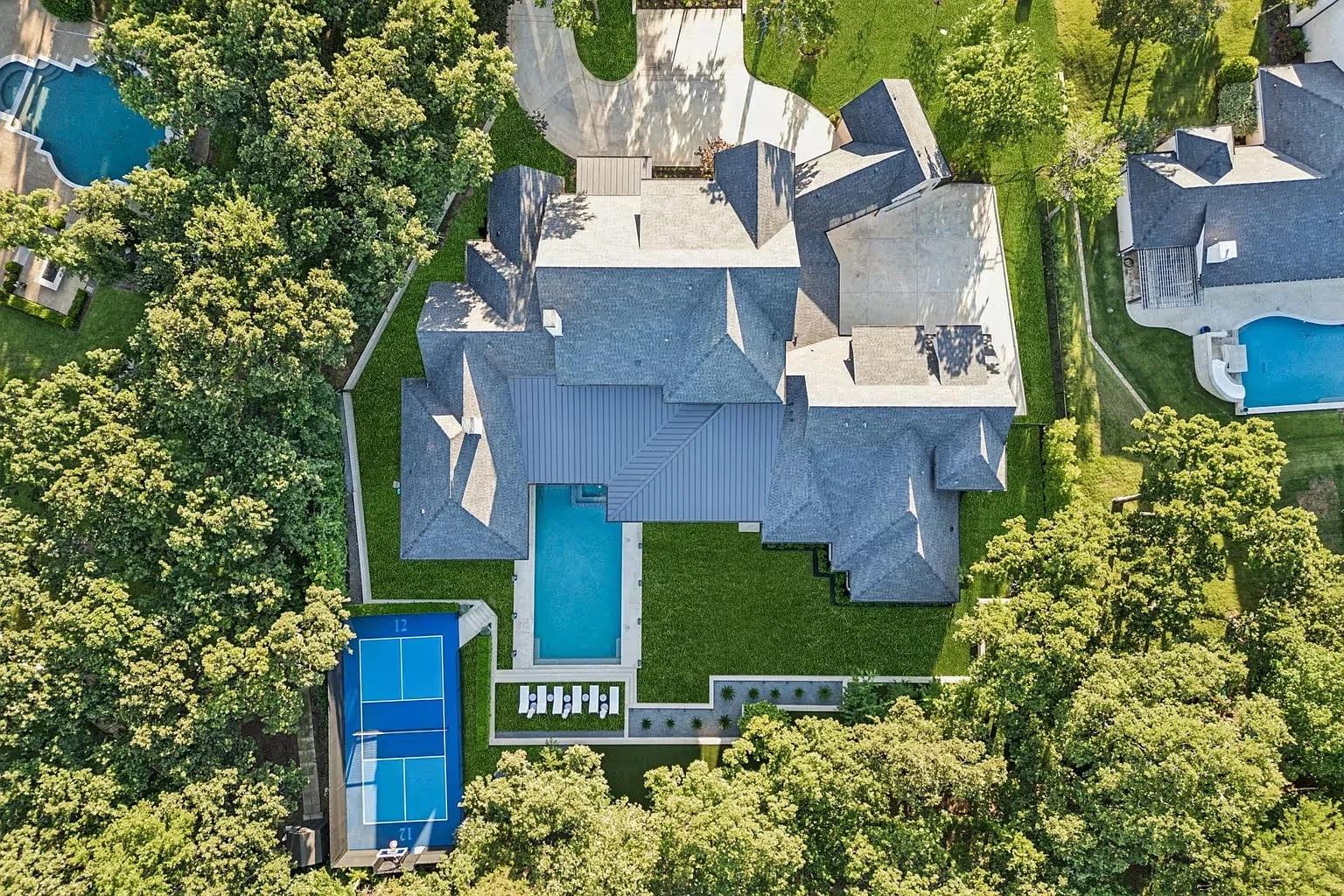
A well planned outdoor space can change the way you experience your property. Instead of having a yard that is difficult to use or feels unfinished, you can create comfortable areas for relaxing, dining, entertaining, walking, and enjoying time outdoors.
Landscape construction makes these improvements possible by adding practical built features to the yard. Patios, walkways, retaining walls, outdoor kitchens, seating areas, steps, and other hardscape features can give an outdoor space structure and purpose.
The best results come from thoughtful planning rather than simply adding as many features as possible. Every part of the project should suit the property, support the way you use the space, and work well with the surrounding landscape.
What Is Landscape Construction?
Landscape construction is the process of building and installing physical features in an outdoor environment. It can range from a small patio installation to a larger project involving several connected areas.
Construction may include preparing the ground, creating a stable base, installing hardscape materials, building walls, adding outdoor living features, and creating pathways between different parts of the property.
The project can be designed around an existing yard or developed as part of a complete landscape transformation.
The main goal is to create outdoor features that are attractive, useful, and suitable for the property.
Why Planning Matters
A successful project begins with understanding the property and the needs of the people who will use it.
Before construction starts, consider how you want to spend time outdoors. You may want a place for family meals, a comfortable area for guests, or a pathway that makes it easier to move around the yard.
The physical characteristics of the property matter as well. Slopes, trees, existing structures, drainage patterns, entrances, and available space can affect where new features should be placed.
Planning these details early can help prevent design problems and create a more natural connection between different areas.
Popular Landscape Construction Features
Outdoor construction can include many different features. The best choices depend on the property's size, your lifestyle, and your goals for the space.
Some commonly requested features include:
- Patios, walkways, retaining walls, outdoor kitchens, seating areas, landscape steps, paver installations, natural stone features, fire features, and garden borders.
- Raised planting areas, decorative walls, outdoor structures, drainage improvements, and other hardscape elements that can add function or visual interest.
You do not need to include every feature. Choosing a few useful additions can often create a more comfortable and organized yard.
Choosing Materials for Outdoor Features
Material selection affects both appearance and performance. Different materials have different textures, styles, maintenance needs, and costs.
Pavers are often chosen for patios and walkways because they are available in many designs. Natural stone can create an organic appearance that works well with gardens and natural surroundings. Concrete can provide a clean and versatile surface for various outdoor applications.
The intended use of the area should guide your decision. A surface that receives regular foot traffic may need different considerations than a feature that is mainly decorative.
It is also helpful to consider the style of your home. Materials that complement the exterior can make the new construction feel like a natural extension of the property.
Preparing the Site Properly
The foundation beneath an outdoor feature can be just as important as the visible surface.
Site preparation may involve clearing vegetation, removing existing materials, excavating soil, grading the area, and preparing a suitable base. The exact process depends on the type of project and the condition of the site.
If the ground is not prepared correctly, surfaces may become uneven or shift over time. Regular use and weather conditions can make these problems more noticeable.
Proper preparation provides a stable foundation for the finished feature and supports a cleaner, more consistent result.
The Role of Drainage
Water management should be considered before construction begins. Rainwater needs to move away from areas where it could cause problems.
Poor drainage can contribute to standing water, soil erosion, muddy areas, and movement around patios or walkways. Water can also affect nearby structures if it is not properly managed.
The property's natural slope, existing drainage paths, and location of new features should all be considered during planning.
Addressing drainage as part of the original design can help reduce the risk of future water related problems.
How to Find Landscape Hardscape Contractors Near Me
When looking for landscape hardscape contractors near me, you may find many local businesses offering different services. Choosing the right one requires more than comparing prices.
Experience with projects similar to yours can be valuable. A contractor familiar with patios, walkways, retaining walls, and other hardscape features may have a better understanding of the practical considerations involved.
Communication is also important. You should receive clear information about the proposed work, materials, preparation, schedule, and expected costs.
Before choosing a contractor, consider the following:
- Review previous projects, ask about relevant experience, discuss material options, request a detailed estimate, understand the expected schedule, and ask how site preparation and drainage will be handled.
- Read customer feedback, clarify the project scope, ask what is included in the estimate, discuss maintenance needs, and make sure important details are clearly explained before construction starts.
A clear understanding between the homeowner and contractor can make the project easier to manage.
Designing a Patio for Everyday Use
A patio can serve as the foundation of an outdoor living area. It can provide space for meals, conversations, relaxation, and entertainment.
Start by choosing a location that works with your lifestyle. A patio near the kitchen may be convenient for outdoor dining, while a patio farther from the house can create a quieter setting.
The size should also be based on how you plan to use it. Consider tables, chairs, grills, and walking space before finalizing the layout.
A patio should also connect naturally with other parts of the yard. Walkways, planting areas, and steps can help create a smooth transition between spaces.
Adding Walkways for Better Access
Walkways can make a property easier to navigate while adding structure to the landscape.
A path might connect the driveway to the entrance, lead from the home to a patio, or provide access to a garden. The route should be practical and easy to follow.
The width and material should suit the expected level of use. A frequently used walkway should be designed with everyday movement in mind.
Well placed paths can also divide a large yard into different areas without making the space feel disconnected.
Making Sloped Areas More Usable
Slopes can make parts of a property difficult to access. Construction features can help make these areas more practical.
Retaining walls can create defined sections within a sloped yard. Steps can provide easier movement between different elevations, while pathways can connect separate outdoor areas.
Projects involving slopes require careful planning because soil conditions and water movement can affect the stability and performance of the construction.
Each property should be evaluated individually so the chosen solution fits its specific conditions.
Creating an Outdoor Living Space
An outdoor living area can provide an extension of the home. Depending on your needs, it can include seating, dining space, cooking areas, or a dedicated place for entertaining.
Consider how you actually spend time outside. If you regularly host friends and family, you may want an open layout with flexible seating. If you prefer quiet evenings, a smaller and more private area may be more suitable.
Lighting, plants, furniture, and hardscape features can all contribute to a comfortable environment.
Think About Maintenance Before Building
Every outdoor feature requires some maintenance. Planning for upkeep before construction can help you choose options that fit your lifestyle.
Some surfaces may need regular cleaning, while planting areas require ongoing care. Drainage features should also remain clear so water can move properly.
If you prefer to spend less time maintaining your yard, discuss practical materials and simpler layouts with your contractor.
A good outdoor space should be enjoyable to use without creating an unreasonable maintenance burden.
Planning for Long Term Value
Outdoor construction can be a significant investment, so consider how the space will serve you over time.
Focus on features that solve actual problems or support activities you enjoy. A patio can provide valuable gathering space, while a walkway can improve access throughout the property.
You can also consider completing a larger project in stages. Planning the complete layout from the beginning can make future improvements easier to add.
Creating a Balanced Landscape
Hardscape features should work together with plants and open areas. A yard can feel crowded if too many large structures are installed without enough space between them.
Scale is important. The size of a patio, wall, walkway, or outdoor structure should make sense for the property.
Colors and textures should also complement the home and surrounding landscape. When these elements work together, the outdoor area can feel more natural and inviting.
Common Planning Mistakes to Avoid
Even a well intended project can become difficult if important details are overlooked. One common mistake is focusing entirely on appearance while ignoring how the space will actually be used.
Another issue is choosing materials without considering maintenance or site conditions. A material may look attractive but may not be the best choice for a particular location.
Ignoring drainage can also create problems later. Water should always be considered when planning new outdoor surfaces and structures.
Taking time to evaluate these details can lead to better decisions and a more practical finished space.
Conclusion
Landscape construction can transform a basic yard into an attractive and functional outdoor environment. With careful planning, suitable materials, proper site preparation, and attention to drainage, features such as patios, walkways, retaining walls, and outdoor living areas can improve both comfort and usability.
If you are searching for landscape hardscape contractors near me, compare experience, previous projects, communication, materials, estimates, and construction practices before making your choice. A contractor who understands your goals and the conditions of your property can help create a space that works well for everyday life.
Kingswood Landscape offers landscape construction and hardscape solutions designed to create practical, attractive, and thoughtfully planned outdoor spaces that complement each property's unique needs.

 English
 Arabic
 French
 Spanish
 Portuguese
 Deutsch
 Turkish
 Dutch
Dutch
 Italiano
 Russian
 Romaian
 Portuguese (Brazil)
 Bengali