


Advantages of Biomedical Devices in Modern Healthcare
Biomedical Devices have changed the way healthcare professionals diagnose, monitor, and treat patients. These devices range from simple tools used for checking vital signs to advanced machines used for imaging, surgery, and critical care. Their use has made many medical tasks faster, more accurate, and easier to manage. Hospitals, clinics, laboratories, and home healthcare providers now depend on medical technology to provide better care and improve patient outcomes.
What Are Biomedical Devices?
Biomedical devices are medical tools, machines, and systems designed to support human health. They can be used for diagnosis, treatment, monitoring, prevention, and patient care. A thermometer, blood pressure monitor, ECG machine, ultrasound system, and ventilator are all examples of devices used in healthcare.
Each device has a specific purpose. Some collect information about the patient's condition, while others provide direct support during treatment. Modern healthcare uses these technologies because they give medical professionals useful information and help them complete important tasks with greater control.
Faster and More Accurate Diagnosis
One of the main advantages of biomedical technology is that it can support faster diagnosis. Doctors need accurate information to understand a patient's condition and decide what type of care may be needed. Diagnostic devices can provide information that may not be visible during a normal physical examination.
Imaging systems such as X-ray, CT, MRI, and ultrasound machines allow healthcare professionals to examine different areas of the body. ECG machines can record heart activity, while laboratory devices can help analyze blood and other samples. Quick access to this information can help doctors identify health problems and plan suitable treatment.
Better Patient Monitoring
Patient monitoring is another important benefit. Some patients need regular observation because their condition can change quickly. Biomedical devices allow healthcare workers to monitor vital signs and other body functions over time.
Patient monitors can display information such as heart rate, blood pressure, oxygen level, and temperature. When these readings change, healthcare workers can take suitable action. This is especially useful in emergency rooms, intensive care units, operating rooms, and recovery areas.
Continuous monitoring can also reduce the need for repeated manual checks. This allows healthcare workers to spend more time on direct patient care while still keeping track of important health information.
Improved Treatment Control
Biomedical technology can help healthcare professionals provide treatment with better control. Certain treatments require specific amounts, rates, or settings, and medical devices can help manage these requirements.
For example, infusion pumps can control the delivery of fluids or medicines. Ventilators can support breathing in patients who cannot breathe normally. Dialysis machines can help perform important functions for people with serious kidney problems.
These technologies give healthcare professionals greater control over treatment. They also help create a more organized care process when used correctly and under professional supervision.
Support for Surgical Procedures
Surgery requires careful planning, skilled professionals, and reliable medical technology. Biomedical devices support surgical teams before, during, and after procedures. Monitoring systems can track vital signs, while imaging technology can help doctors understand the area being treated.
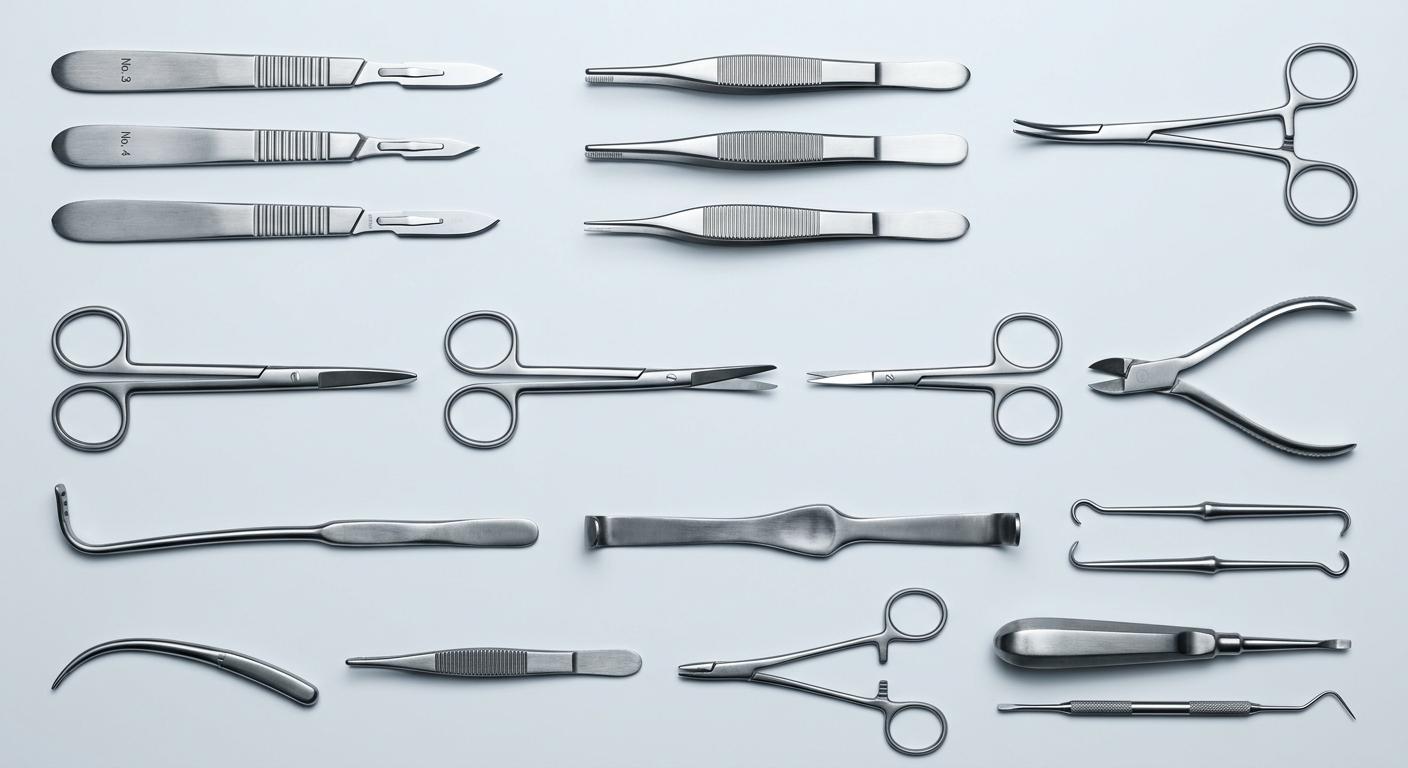
High-quality Surgical Instruments are also an important part of surgical care. Surgeons use different instruments for cutting, holding, grasping, dissecting, suturing, and other tasks. The right instrument can help a surgeon perform a specific action with greater control.
The combination of advanced devices and properly designed instruments helps create a more organized operating environment. This can support surgical accuracy and patient safety.
Greater Patient Safety
Patient safety is a key goal in every healthcare facility. Biomedical devices can support safety by giving healthcare workers accurate information about a patient's condition.
For example, monitoring systems can show changes in vital signs, while some devices can provide alerts when readings move beyond a set range. Treatment devices can also help control the delivery of medicines and fluids.
However, medical technology must be used properly. Devices need regular inspection, maintenance, and calibration where required. Healthcare workers also need suitable training. Technology is useful, but its safety depends on correct use and proper care.
Reduced Need for Invasive Procedures
Some modern biomedical technologies can help doctors examine the body without making large surgical cuts. Imaging and other diagnostic systems can provide information about internal organs and tissues through non-invasive or minimally invasive methods.
This can be useful because traditional invasive procedures may require more recovery time. When a suitable diagnostic method is available, doctors may be able to gather important information with less physical impact on the patient.
The choice of a diagnostic or treatment method always depends on the patient's condition and the healthcare professional's judgment.
Improved Surgical Precision
Modern healthcare places a strong focus on precision, especially during complex procedures. Advanced surgical equipment can support surgeons by providing controlled functions, patient monitoring, imaging support, and other useful features.
In specialized fields, even small movements may matter. Reliable equipment can help surgical teams maintain better control during procedures. It can also support the workflow of the operating room and help staff manage different stages of patient care.
Better Support for Emergency Care
Emergency departments often need to make decisions quickly. Biomedical devices can provide fast information that helps healthcare professionals understand a patient's condition.
Devices used to check oxygen levels, heart activity, blood pressure, and other vital signs can provide information within a short time. Defibrillators and other emergency devices can also provide critical support when immediate treatment is required.
Having suitable technology available can help emergency teams respond more efficiently. Proper staff training and regular equipment checks remain essential for emergency devices.
Benefits for Home Healthcare
Biomedical technology is not limited to hospitals. Many portable devices are now used in homes to monitor health. Blood pressure monitors, glucose meters, pulse oximeters, and wearable devices can help people track certain health measurements.
Home monitoring can be useful for people who need regular observation. It may also make some forms of healthcare more convenient by reducing the need for frequent visits for basic checks. However, patients should use home devices according to professional guidance and should not depend on device readings alone to diagnose a medical condition.
Better Healthcare Efficiency
Another advantage is improved efficiency. Healthcare professionals deal with large numbers of patients and many different tasks every day. Reliable devices can help speed up testing, monitoring, and treatment.
When a device provides information quickly, healthcare workers can use that information without unnecessary delays. Digital systems can also make it easier to record and review patient information. Better workflow can help healthcare facilities use their time and resources more effectively.
Support for Medical Research
Biomedical devices also contribute to medical research. Researchers use advanced tools to study diseases, test treatments, collect data, and understand how the human body works.
Reliable technology can improve the quality of research results. New findings can then contribute to the development of better diagnostic methods, treatments, and medical devices. In this way, biomedical technology supports not only current healthcare but also future medical progress.
Cost and Long-Term Benefits
Although advanced medical devices can require a significant investment, they can provide long-term value when selected and maintained properly. Faster diagnosis, better monitoring, and improved treatment control may help healthcare facilities manage their services more effectively.
The total value of a device should not be judged only by its purchase price. Quality, reliability, maintenance needs, operating costs, staff training, and expected working life should also be considered when choosing medical technology.
Future of Biomedical Devices
The future of biomedical technology is likely to bring more connected and intelligent devices. Wearable systems, remote monitoring, digital healthcare, and artificial intelligence are already influencing medical services.
Future devices may provide faster results and help healthcare professionals manage larger amounts of medical information. However, safety and accuracy will remain essential. New technology must be tested and used responsibly before it becomes a regular part of patient care.
Conclusion
Biomedical devices offer many advantages to modern healthcare. They support faster diagnosis, better monitoring, controlled treatment, surgical procedures, emergency care, and medical research. They can also improve healthcare efficiency and make certain forms of monitoring possible at home.
The benefits of these devices depend on choosing suitable technology, maintaining it properly, and ensuring that trained professionals use it correctly. As medical technology continues to improve, biomedical devices will remain an important part of efforts to provide safer, faster, and more effective healthcare.

 Arabic
 French
 Spanish
 Portuguese
 Deutsch
 Turkish
 Dutch
Dutch
 Italiano
 Russian
 Romaian
 Portuguese (Brazil)
 Greek
Greek
 Bengali