


Why Every Professional Needs a Laser Paint Stripper in Their Toolkit
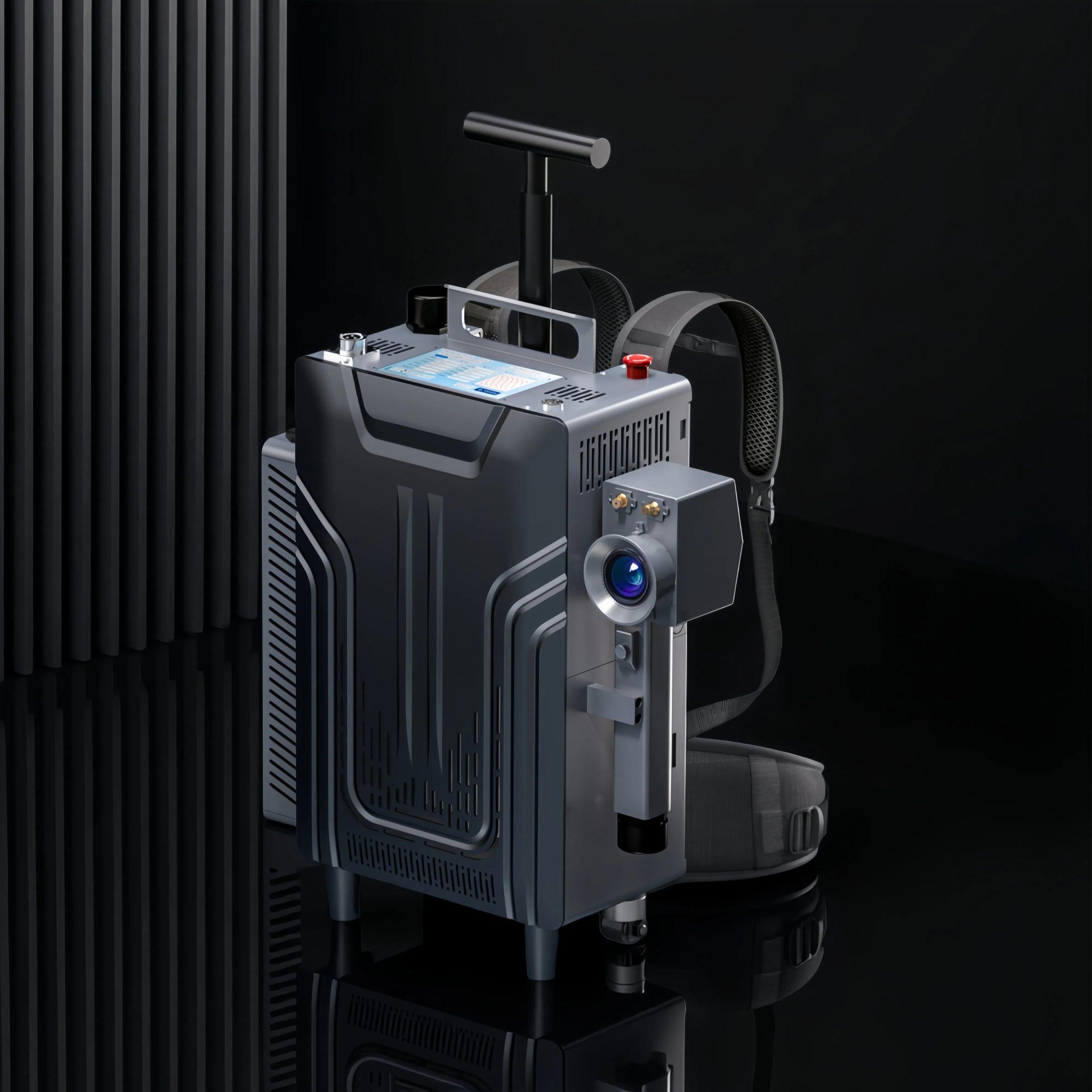
Removing paint, coatings, rust, and surface contaminants has traditionally been a messy, time‑consuming task that relied on abrasive blasting, harsh chemical solvents, or grinding. These older methods often damage the underlying material, pose safety risks, and create secondary waste that must be managed and disposed of properly. Today, there’s a smarter and more efficient alternative available: a laser paint stripper that redefines surface preparation and restoration across industries.
At its core, a laser paint stripper uses highly concentrated laser energy to vaporize or ablate unwanted paint and coatings without making physical contact with the substrate. This non‑abrasive process allows precise removal of paint while preserving the structural integrity of the base material, whether it’s metal, wood, plastic, or composites. Because laser stripping relies on light energy rather than chemicals or media, operators can achieve exceptionally clean results in a fraction of the time required by traditional methods.
One of the most compelling advantages of a laser paint stripper is its efficiency and speed. Conventional stripping techniques — such as sandblasting or chemical stripping — are often labor‑intensive and slow, especially when tackling thick coatings or large surface areas. A laser stripper accelerates this process, enabling operators to clean surfaces layer by layer with precise control over depth and intensity. This efficiency reduces labor costs and shortens project timelines, giving businesses the ability to take on more work and increase profitability.
Precision is another major benefit. Because laser energy can be finely tuned to match the absorption characteristics of the paint or coating, operators can remove specific layers without harming surrounding surfaces. This level of control is especially important in industries like aerospace, automotive restoration, heritage conservation, and industrial maintenance, where preserving the underlying component is critical. Traditional methods, by contrast, can strip away substrate material along with the paint, leading to costly damage and rework.
Environmental considerations also make laser paint stripping an attractive option. Chemical paint removers generate hazardous waste that requires careful handling and disposal, while abrasive blasting creates dust and debris that can contaminate work areas. A laser paint stripper produces minimal waste and doesn’t rely on toxic solvents, making it a more eco‑friendly and sustainable choice for businesses looking to reduce their environmental impact.
The versatility of a laser paint stripper means it’s suitable for a wide range of applications. Whether you’re removing paint from automotive parts, cleaning corrosion on industrial equipment, preparing surfaces for recoating, or restoring delicate historical pieces, this technology delivers consistent, high‑quality results. Many laser paint stripping systems also offer portability and ease of setup, allowing operators to perform on‑site work in areas like shipyards, manufacturing floors, and restoration workshops with minimal downtime.
From a cost‑effectiveness standpoint, while the initial investment in laser technology may be higher than some traditional tools, long‑term savings are significant. Laser paint stripping eliminates the need for consumables like blasting media and chemicals, reduces waste disposal costs, and decreases the time required for labor‑intensive surface prep. Over time, these savings contribute to a lower total cost of ownership and higher operational efficiency.
Safety is yet another advantage. By eliminating dust, abrasive particles, and hazardous chemicals, a laser paint stripper supports a cleaner, safer working environment. With appropriate protective equipment and ventilation systems, operators can perform paint removal tasks with greater confidence and reduced exposure to harmful substances.
In summary, a laser paint stripper is a powerful tool that combines precision, speed, environmental responsibility, and versatility. Whether you’re in manufacturing, restoration, maintenance, or industrial services, this technology offers a smarter, cleaner, and more efficient approach to paint and coating removal — helping you deliver exceptional results with less effort.

 Arabic
 French
 Spanish
 Portuguese
 Deutsch
 Turkish
 Dutch
Dutch
 Italiano
 Russian
 Romaian
 Portuguese (Brazil)
 Greek
Greek
 Bengali