


Ravel Panel and LPG Gas Alarm: Building a Safer Fire and Gas Detection System
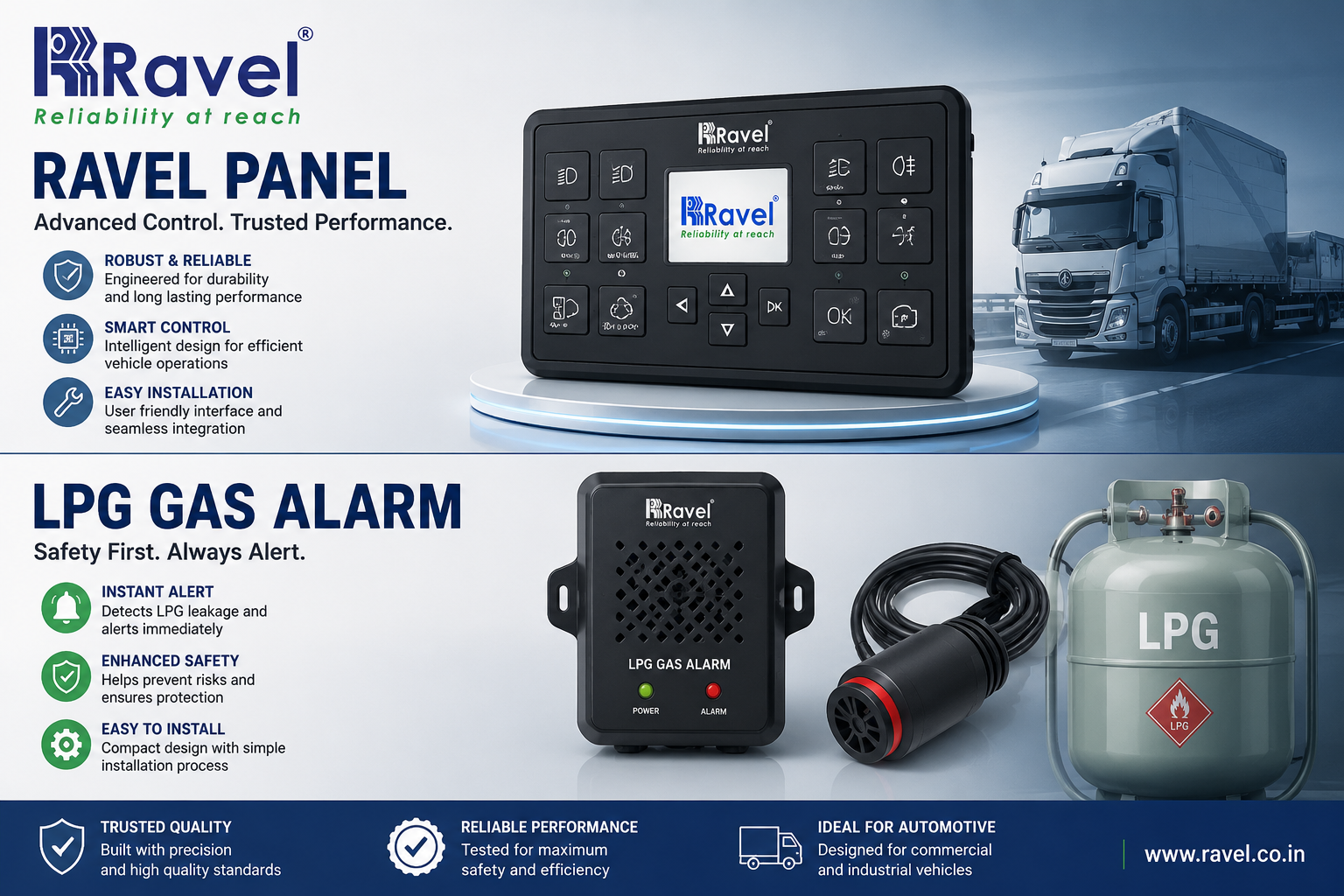
Safety systems play an important role in protecting homes, commercial buildings, kitchens, restaurants, warehouses, and industrial facilities from fire and gas-related hazards. A reliable ravel panel can form an important part of a fire alarm installation by receiving signals from connected detection devices, while an LPG gas alarm is designed to help identify potentially dangerous gas leaks. When appropriately selected, installed, tested, and maintained, these technologies can contribute to a more comprehensive safety strategy.
Understanding a Ravel Panel
A fire alarm panel is the central control unit of a detection and alarm system. It receives information from connected detectors and devices, processes those signals, and provides status or alarm indications.
When researching a ravel panel, it is important to understand the requirements of the complete fire alarm system rather than considering the panel separately. The number of detection zones or devices, type of detectors, notification equipment, monitoring requirements, and installation environment can all influence which panel is appropriate.
A properly selected panel can help building personnel understand whether the system is operating normally, has detected an alarm condition, or has developed a fault.
What Is an LPG Gas Alarm?
An LPG gas alarm is designed to detect the presence of potentially hazardous concentrations of liquefied petroleum gas in the surrounding environment. LPG is commonly used for cooking, heating, and certain industrial applications.
Because LPG can create a serious fire or explosion hazard when it accumulates in an enclosed area, gas detection can be an important additional safety measure in suitable environments.
LPG gas alarms typically use a sensor to monitor the surrounding atmosphere. When the detected gas concentration reaches the device's configured alarm threshold, the alarm can provide an audible or visual warning.
Where LPG Gas Alarms Can Be Used
LPG detection can be considered in areas where LPG is stored, used, or supplied. Potential applications include:
-
Commercial kitchens
-
Restaurants
-
Residential kitchens
-
Hotels
-
Catering facilities
-
Gas storage areas
-
Industrial premises
-
Food processing facilities
-
Workshops using LPG equipment
The appropriate detector location depends on the characteristics of LPG and the specific installation environment. LPG is heavier than air, so professional system design should consider where leaked gas could accumulate.
Why an LPG Gas Alarm Matters
A gas leak may not always be immediately obvious. An LPG gas alarm provides an additional method of detecting potentially dangerous gas concentrations.
An early warning can alert occupants or responsible personnel so that appropriate emergency procedures can be followed.
However, an LPG gas alarm should never be treated as a replacement for safe gas handling, proper ventilation, regular appliance maintenance, or appropriate emergency procedures.
Combining Fire and Gas Detection
Fire and gas hazards can occur independently or together. A building using LPG may therefore benefit from a coordinated approach that includes both fire detection and gas monitoring.
A ravel panel may serve as the central component of a compatible fire alarm system, while an LPG gas detection system can provide dedicated monitoring for gas hazards.
Depending on the equipment and system architecture, gas detection may be integrated with other building safety systems. Compatibility must always be confirmed before connecting devices.
Selecting the Right Ravel Panel
Several factors should be considered when selecting a fire alarm panel.
Number of Devices
Determine how many detectors, manual call points, sounders, modules, and other devices will be connected.
System Configuration
Consider whether the building requires a conventional, addressable, or other type of fire alarm architecture.
Expansion Requirements
If the building may expand in the future, selecting a panel with appropriate capacity can be beneficial.
Compatibility
All connected devices should be compatible with the panel and each other.
Monitoring and Notifications
Consider how alarm and fault conditions need to be communicated to occupants and responsible personnel.
Selecting an LPG Gas Alarm
The selection of an LPG gas alarm should also be based on the specific application.
Important factors include:
-
LPG detection capability
-
Sensor technology
-
Detection range
-
Alarm threshold
-
Operating environment
-
Power requirements
-
Installation location
-
Alarm outputs
-
Compatibility with connected equipment
The manufacturer’s technical documentation should always be reviewed before installation.
Importance of Correct Installation
Installation is one of the most important aspects of any fire or gas detection system. Incorrect positioning can reduce the effectiveness of a detector.
For LPG gas detection, placement should account for the characteristics of LPG and potential leak sources. For a ravel panel, wiring and device configuration must follow the manufacturer's instructions.
Professional installation can help ensure that detectors, alarm devices, control equipment, and power supplies are configured correctly.
Testing and Maintenance
Fire and gas detection systems require regular inspection and testing. Dust, contamination, physical damage, sensor aging, wiring problems, or changes to the environment can affect performance.
An LPG gas alarm should be tested according to the manufacturer's recommendations and applicable requirements. The fire alarm panel should also be inspected to ensure that connected devices and system indications operate correctly.
Maintenance records should be retained so that inspections and faults can be tracked over time.
Benefits of a Coordinated Safety System
A coordinated safety system can provide several advantages:
-
Early detection of potential hazards
-
Clear alarm notification
-
Improved emergency awareness
-
Easier system monitoring
-
Better maintenance management
-
Increased protection for occupants and property
Fire detection and gas detection should be viewed as complementary technologies. The exact system design should be based on the hazards and requirements of the building.
FAQ
What is a Ravel panel?
A ravel panel refers to a fire alarm control panel associated with Ravel fire safety solutions. Its role is to receive signals from connected detection devices and manage system indications and alarms according to its design.
What does an LPG gas alarm detect?
An LPG gas alarm is designed to detect the presence of potentially hazardous LPG concentrations in the surrounding atmosphere.
Where should an LPG gas alarm be installed?
The appropriate location depends on the building, LPG source, ventilation, room layout, and gas characteristics. Professional assessment is recommended.
Can an LPG gas alarm be connected to a fire alarm system?
Some systems may support integration, but compatibility must be confirmed between the gas detector, fire alarm panel, interface modules, and other equipment.
Does an LPG gas alarm replace safe gas practices?
No. Gas alarms are an additional safety measure and should be used alongside proper installation, ventilation, appliance maintenance, and emergency procedures.
How often should an LPG gas alarm be tested?
Testing should follow the manufacturer's instructions and applicable local safety requirements.
Why is maintenance important?
Regular maintenance helps identify sensor degradation, wiring faults, contamination, physical damage, and other conditions that could affect system performance.
CTA
Looking for a reliable ravel panel for a fire alarm installation or an LPG gas alarm for a kitchen, commercial facility, or industrial environment? Evaluate your fire and gas risks carefully and select equipment based on compatibility, environmental conditions, technical specifications, and applicable safety requirements. Professional installation, testing, and scheduled maintenance can help ensure that your detection system remains ready to provide an early warning when it matters most.

 English
 Arabic
 French
 Spanish
 Portuguese
 Deutsch
 Turkish
 Dutch
Dutch
 Italiano
 Russian
 Portuguese (Brazil)
 Greek
Greek
 Bengali