


Upper Blepharoplasty in London: How Do Surgeons Assess Excess Eyelid Skin?
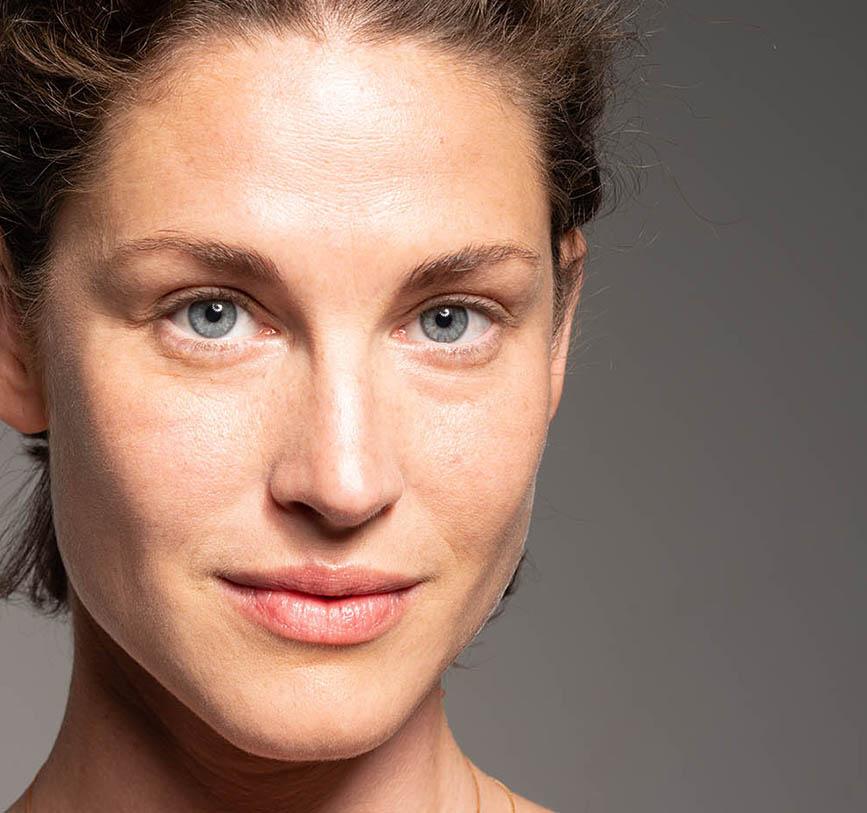
The appearance of the upper eyelids can change gradually with age. Skin may become looser, folds can become more noticeable, and the upper eyelid area may begin to look heavier. For people considering treatment, understanding how a surgeon evaluates excess eyelid skin is an important part of making an informed decision.
Upper Blepharoplasty in London is a surgical procedure designed to address excess skin and, when appropriate, other changes affecting the upper eyelid. However, deciding whether surgery is suitable involves much more than simply looking at how much loose skin is visible. Surgeons assess the eyelid structure, brow position, skin quality, facial proportions and the relationship between the upper eyelid and surrounding tissues.
At a consultation with a specialist at a Blepharoplasty Clinic in London, the assessment is personalised to the individual. Rather than using the same approach for everyone, the surgeon considers the characteristics of each patient's eyes and discusses what they would like to achieve.
Why Is Excess Upper Eyelid Skin Assessed Carefully?
The upper eyelid is a delicate anatomical area where small changes can influence the overall appearance of the eyes. Removing too much or too little skin may not provide the desired outcome, which is why careful assessment is central to treatment planning.
A surgeon first determines whether the visible fullness is actually caused by excess skin. In some people, the appearance of a heavy upper eyelid may also be influenced by the brow, underlying fat, muscle or the natural shape of the eyelid.
This distinction is particularly important when planning Upper Eyelid Surgery In London. The surgeon needs to understand the source of the concern before deciding which surgical technique may be appropriate.
What Happens During an Upper Eyelid Assessment?
During the consultation, the surgeon usually begins by discussing the patient's concerns, expectations and relevant background. This provides context for the physical examination.
The surgeon may ask what changes the patient has noticed, how long they have been present and whether the appearance varies throughout the day. They may also discuss previous procedures or treatments involving the eyes and surrounding area.
The examination then focuses on the eyelids and the structures that contribute to their appearance. The surgeon evaluates the amount and distribution of loose skin rather than relying solely on a visual impression.
The assessment is generally performed while the patient is sitting upright because this provides a more accurate view of the natural relationship between the eyelids, brows and forehead.
How Do Surgeons Identify Excess Eyelid Skin?
One of the main considerations is the amount of skin that extends over the natural upper eyelid crease. Surgeons look at the position of the skin, how it folds and how it relates to the eyelashes and eyelid margin.
They may gently examine the eyelid tissues to understand their elasticity and movement. Skin quality can vary considerably between individuals, so two people with apparently similar eyelids may require different treatment plans.
The surgeon also considers whether the skin extends beyond the eyelid itself towards the outer corner of the eye. This can help establish the overall pattern of skin laxity.
Rather than measuring excess skin in isolation, the surgeon assesses it in relation to the patient's facial anatomy. This creates a more individualised approach to treatment planning.
The Importance of the Natural Eyelid Crease
The upper eyelid crease is another important feature during assessment. Its position, symmetry and visibility can influence how excess skin appears.
Some individuals naturally have a more defined crease, while others have a less prominent fold. The surgeon takes these anatomical differences into consideration when evaluating the upper eyelids.
During Upper Eyelid Surgery In London, the incision and treatment plan are normally designed around the patient's existing anatomy. The objective is to address the specific area of concern while maintaining the natural character of the eyes.
How Is Brow Position Considered?
The eyebrows can significantly influence the appearance of the upper eyelids. A lower or heavier brow position can push additional skin towards the upper eyelid, creating the impression of excess eyelid skin.
For this reason, a surgeon does not assess the eyelids separately from the eyebrows. Brow position is examined to determine how much of the visible heaviness originates from the eyelid and how much is related to the brow.
The surgeon may observe the patient's brow position at rest and during facial movement. This helps establish the relationship between the forehead, brow and upper eyelid.
This assessment is particularly useful because eyelid surgery and brow-related concerns are not necessarily addressed in the same way. Understanding the underlying anatomy helps the surgeon determine the most appropriate treatment strategy.
Does Skin Elasticity Affect the Assessment?
Yes. Skin elasticity is an important consideration when evaluating excess upper eyelid skin.
As skin changes over time, it can gradually lose some of its firmness and become more lax. However, the degree of skin laxity varies from person to person.
During the consultation, the surgeon assesses the quality and flexibility of the eyelid skin. They consider how the skin sits naturally over the eye and how it behaves when the eyelid is moved.
This information contributes to decisions about the amount of skin that may need to be addressed. The goal is not simply to remove a particular quantity but to develop a treatment plan based on the individual's anatomy.
Is Eyelid Fat Considered During the Examination?
Although the main focus may be excess skin, surgeons also look at the underlying tissues.
Fullness around the upper eyelid can sometimes be influenced by fat compartments beneath the skin. In such cases, the visible appearance may not be explained by skin laxity alone.
A comprehensive examination therefore considers the overall structure of the upper eyelid. The surgeon evaluates whether fullness appears to come predominantly from skin, underlying tissue or a combination of factors.
This helps ensure that the consultation is focused on the cause of the patient's concern rather than simply treating the most visible feature.
How Is Eyelid Symmetry Assessed?
Facial symmetry is another important part of an eyelid consultation. Most people naturally have some degree of asymmetry between their eyes, brows or eyelids.
The surgeon compares both sides carefully, examining differences in skin folds, crease position, brow height and eyelid shape.
Recognising these differences before surgery helps establish realistic expectations. It also allows the surgeon to develop a plan that takes the individual's natural facial structure into account.
A good assessment does not assume that both eyelids will have exactly identical anatomy. Instead, it considers how each side contributes to the overall appearance.
What Role Does Facial Proportion Play?
The upper eyelids are part of a larger facial structure. Their appearance is influenced by the eyebrows, forehead, eyes, cheeks and surrounding tissues.
For this reason, surgeons consider the upper eyelids within the context of the whole face. They assess whether the amount of visible upper eyelid skin is consistent with the patient's natural proportions.
This broader perspective can be particularly useful for people seeking Upper Blepharoplasty in London because the desired result is usually an improvement that fits naturally with their existing features.
The surgeon may also discuss whether the patient's concern is primarily related to the eyelid itself or whether another facial feature contributes to the appearance.
Why Photographs May Be Taken During the Consultation
Clinical photographs can form part of the assessment process. Images may be taken from different angles to document the eyelids and surrounding facial structures.
Photographs allow the surgeon to examine proportions and symmetry carefully and provide a reference when discussing the proposed treatment plan.
They can also help the patient understand which areas are being considered and why a particular surgical approach may be suggested.
The assessment remains individual, with photographs supporting rather than replacing the surgeon's physical examination.
How Are Patient Goals Incorporated Into the Assessment?
A successful consultation involves communication as well as physical examination. The surgeon needs to understand what the patient hopes to change about their upper eyelids.
Some people may be concerned about loose skin making the eyes look tired, while others may be more focused on the visibility of their eyelid crease or the overall balance of the eye area.
During a consultation at a Blepharoplasty Clinic in London, these concerns can be discussed in detail. The surgeon can then explain whether the patient's expectations are consistent with what upper eyelid surgery is designed to address.
This conversation helps establish a treatment plan that is based on both anatomy and individual goals.
What Determines Whether Upper Eyelid Surgery Is Appropriate?
The decision to recommend surgery is based on the overall assessment rather than the presence of loose skin alone.
The surgeon considers skin laxity, eyelid anatomy, brow position, tissue fullness, symmetry, skin quality and the patient's desired outcome.
This comprehensive approach allows the surgeon to determine whether Upper Eyelid Surgery In London is appropriate and, if so, what type of surgical plan may best suit the individual's features.
The consultation is therefore an important opportunity to ask questions and understand how the surgeon has reached their recommendations.
What Should You Discuss With Your Surgeon?
Before proceeding, patients should feel comfortable discussing their concerns and asking how the surgeon has assessed their eyelids.
Useful questions may include:
- What is contributing to the appearance of excess upper eyelid skin?
- How does my brow position affect the appearance of my eyelids?
- Is the fullness caused mainly by skin or underlying tissue?
- How will my natural eyelid crease be considered?
- What approach would be appropriate for my facial anatomy?
- What type of result can realistically be expected?
Having an open discussion helps patients understand the reasoning behind their personalised treatment plan.
Choosing a London Blepharoplasty Clinic
Choosing an experienced clinic is an important part of the treatment journey. A specialist Blepharoplasty Clinic in London should provide an individual consultation rather than relying on a standardised approach.
Patients should look for a practice where the assessment is thorough and where the surgeon takes time to understand both the anatomical features of the eyelids and the patient's aesthetic goals.
A detailed consultation can make the treatment process easier to understand and gives patients an opportunity to discuss their expectations before making a decision.
Conclusion
Assessing excess upper eyelid skin involves much more than determining how much loose skin is visible. Surgeons consider the eyelid crease, skin elasticity, brow position, underlying fullness, facial proportions and natural symmetry as part of a comprehensive examination.
For people considering Upper Blepharoplasty in London, this detailed assessment helps create a treatment plan tailored to their individual anatomy and desired outcome. Upper Eyelid Surgery In London is therefore planned on a case-by-case basis rather than according to a fixed measurement or approach.
A consultation at a reputable Blepharoplasty Clinic in London provides an opportunity to understand what is contributing to the appearance of the upper eyelids and how a surgeon may approach treatment.
FAQs
How do surgeons assess excess upper eyelid skin?
Surgeons examine the amount, position and quality of the eyelid skin while also considering the natural eyelid crease, brow position, symmetry and surrounding facial structures.
Why is brow position considered during an eyelid assessment?
The position of the brow can affect how much skin appears to sit over the upper eyelid. Assessing the brow helps the surgeon understand whether the appearance is primarily related to eyelid skin or other surrounding structures.
Does every person with loose eyelid skin need upper blepharoplasty?
Not necessarily. A surgeon assesses the individual's anatomy, concerns and treatment goals before determining whether upper eyelid surgery is an appropriate option.
How important is eyelid symmetry?
Symmetry is an important part of the assessment. Natural differences between the two sides of the face are considered when developing an individualised treatment plan.
Is the upper eyelid crease examined during consultation?
Yes. The surgeon evaluates the position and appearance of the natural upper eyelid crease because it can influence how excess skin sits over the eye.
What happens during an upper eyelid surgery consultation in London?
The consultation generally involves discussing the patient's concerns and goals, followed by an examination of the eyelids, brows and surrounding facial structures. The surgeon then explains the findings and discusses suitable treatment options.
Can upper eyelid fullness be caused by something other than excess skin?
Yes. Fullness may also be influenced by underlying tissues, including fat. A comprehensive assessment helps determine what is contributing to the appearance.
Why should I choose a specialist blepharoplasty clinic?
A specialist clinic can provide a detailed assessment focused on the anatomy of the eyelids and the patient's individual goals, helping ensure that treatment planning is personalised rather than standardised.

 Arabic
 French
 Spanish
 Portuguese
 Deutsch
 Turkish
 Dutch
Dutch
 Italiano
 Russian
 Romaian
 Portuguese (Brazil)
 Greek
Greek
 Bengali