


Is Hair Transplant in Dubai Permanent? What You Need to Know
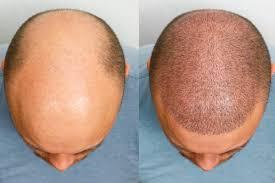
Hair loss can affect confidence, appearance, and everyday life. For people considering a long-term solution, a Hair Transplant in Dubai can be an appealing option because it uses hair follicles from areas of the scalp that are more resistant to hair loss and moves them to areas with thinning or baldness.
But one of the most common questions people ask before treatment is: Is a hair transplant permanent?
In many suitable patients, transplanted hair can provide long-lasting and potentially permanent growth. However, permanence does not mean that every hair on the scalp will remain unchanged forever. The durability of results depends on factors such as the quality of the transplanted follicles, the cause and progression of hair loss, the technique used, overall health, genetics, and aftercare.
How Does a Hair Transplant Work?
A hair transplant is a surgical hair-restoration procedure in which healthy hair follicles are taken from a donor area and placed into areas affected by thinning or baldness.
Modern techniques such as Follicular Unit Extraction (FUE) involve extracting individual follicular units and carefully implanting them into recipient areas. The goal is to create a natural-looking hairline and improve density while preserving the appearance of the donor area.
The transplanted follicles are generally selected from regions that are genetically more resistant to androgenetic hair loss. Once successfully established, these follicles can continue producing hair for many years.
Is Hair Transplant in Dubai Permanent?
For appropriately selected candidates, transplanted hair is generally considered long-lasting and potentially permanent. The key reason is that follicles from a suitable donor area tend to have greater resistance to the hormonal effects responsible for common pattern hair loss.
However, it is important to understand the difference between permanent transplanted hair and permanent overall hair density.
A transplant does not stop the underlying process of hair loss in untreated follicles. Existing, non-transplanted hair can continue to thin over time. This can potentially create uneven density between transplanted and natural hair.
For this reason, a good treatment plan considers both the current level of hair loss and the possibility of future progression.
What Determines How Long Hair Transplant Results Last?
Several factors can influence long-term outcomes.
Donor Hair Quality
The strength, density, and characteristics of the donor follicles are important. A healthy donor area provides a better foundation for restoration.
Cause of Hair Loss
Hair loss can have different causes. Pattern hair loss is one of the most common reasons for transplantation, but other conditions may require different management. Identifying the cause before surgery is an important part of responsible treatment planning.
Surgical Technique
The technique and precision used during follicle extraction and implantation can influence survival and cosmetic results. Proper handling of grafts is essential because follicles can be delicate during transplantation.
Patient Factors
Genetics, age, general health, scalp condition, and the progression of hair loss can all affect the final appearance. Expectations should therefore be discussed during an individual consultation rather than based solely on another person's results.
Aftercare
Following post-procedure instructions can help protect the newly transplanted area during the healing period. Patients may receive guidance about washing, physical activity, sleeping positions, medications, and scalp care.
When Will You See Permanent Results?
A hair transplant does not produce an immediate full head of hair. The transplanted follicles need time to establish themselves and enter their normal growth cycle.
Temporary shedding can occur during the early stage, which may be concerning but can be part of the normal process. New growth generally develops gradually rather than all at once.
Most patients need patience while the hair matures. The final appearance can take several months to become evident, with continued improvement possible as the transplanted hairs become thicker and more established.
Can Transplanted Hair Fall Out?
Transplanted hair can shed temporarily during the early recovery period. This should not automatically be interpreted as treatment failure.
Over the longer term, transplanted follicles selected from a suitable donor region are expected to have strong resistance to the pattern of hair loss for which the procedure is performed.
Nevertheless, individual outcomes vary. Hair characteristics, genetics, surgical technique, existing hair loss, and future changes in untreated areas can all influence the overall result.
Can You Still Lose Hair After a Transplant?
Yes. This is one of the most important points to understand before undergoing treatment.
A hair transplant relocates follicles; it does not necessarily prevent future hair loss in the surrounding natural hair. If existing follicles continue to miniaturize, additional thinning may occur.
For some individuals, a hair-restoration plan may therefore involve treatments or medical approaches designed to help preserve existing hair. These options should be discussed with a qualified medical professional based on the individual's condition.
How to Protect Your Hair Transplant Results
Long-term hair care should focus on both transplanted and natural hair.
Helpful habits may include:
- Following all post-treatment instructions carefully
- Maintaining good scalp hygiene
- Avoiding unnecessary trauma to the scalp
- Attending recommended follow-up appointments
- Managing identified causes of ongoing hair loss
- Discussing evidence-based hair-loss treatments with a qualified professional when appropriate
- Maintaining realistic expectations about future hair changes
A healthy lifestyle can also support general hair and scalp health, although lifestyle changes alone cannot guarantee permanent protection against genetically driven hair loss.
Choosing a Hair Transplant Clinic in Dubai
Selecting the right clinic is an important part of achieving a safe and natural-looking outcome. Patients should consider the qualifications and experience of the medical team, the assessment process, treatment technique, patient safety standards, follow-up care, and whether the proposed plan is genuinely individualized.
During a consultation, patients should feel comfortable asking about donor-area assessment, graft planning, expected results, possible risks, recovery, and what may happen if natural hair loss continues.
Hair Transplant at Tajmeels Clinic
Tajmeels clinic provides hair-restoration services for individuals considering a hair transplant in Dubai. A personalized consultation can help evaluate the pattern of hair loss, donor-area suitability, treatment goals, and the most appropriate approach for the individual. Patients can also discuss expected recovery and long-term hair-management considerations before deciding whether transplantation is suitable for them.
Frequently Asked Questions
Is a hair transplant permanent for everyone?
Not necessarily. Transplanted follicles can provide long-lasting growth when appropriately selected and transplanted, but individual results vary.
Can transplanted hair become thin?
Transplanted hair is generally selected for its resistance to pattern hair loss, but individual characteristics and future changes can affect appearance.
How long does a hair transplant last?
A successful transplant can provide results that last for many years and may be permanent for the transplanted follicles. Natural, non-transplanted hair can still change over time.
Can hair loss continue after a transplant?
Yes. A transplant does not prevent future loss of untreated natural hair.
Is a consultation necessary before a hair transplant?
Yes. A professional assessment can help determine the cause of hair loss, donor suitability, expected results, and an appropriate treatment plan.
Conclusion
So, is hair transplant in Dubai permanent? For suitable candidates, transplanted follicles can offer long-lasting and potentially permanent hair growth. However, a successful result depends on more than the procedure itself. Donor quality, hair-loss pattern, surgical planning, follicle handling, aftercare, and future changes in natural hair all matter.
Choosing an experienced and reputable clinic, understanding realistic expectations, and receiving an individualized assessment are essential steps toward achieving natural-looking, durable results. Tajmeels Clinic can be considered by individuals seeking professional guidance and personalized hair-restoration options in Dubai.
More Information
Tajmeels Clinic Dubai
WhatsApp: +971562038751
Phone: +971 43739000
Social Media:

 Arabic
 French
 Spanish
 Portuguese
 Deutsch
 Turkish
 Dutch
Dutch
 Italiano
 Russian
 Romaian
 Portuguese (Brazil)
 Greek
Greek
 Bengali