


Professional Termite Control in Lahore Signs, Treatment, and Prevention Guide
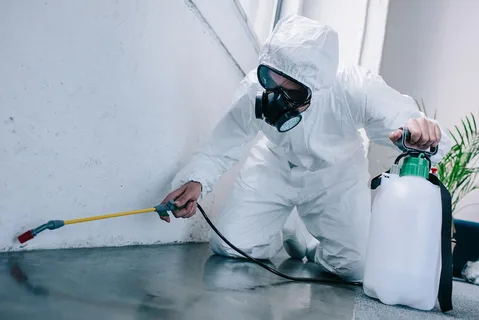
Termites are among the most damaging pests for residential and commercial properties. They can attack wooden doors, window frames, cabinets, furniture, flooring, and other materials containing cellulose. The biggest problem is that termites often remain hidden. By the time visible signs appear, they may have already caused serious damage.
Termite control in Lahore is important because many properties contain wooden fixtures and hidden spaces that can support termite activity. Moisture, leaking pipes, poor drainage, and direct contact between soil and wooden materials can also increase the risk. The problem can affect old houses, new buildings, offices, shops, warehouses, and construction projects.
This guide explains the major signs of termites, available termite treatment methods, prevention steps, and the importance of regular inspection. It also provides useful information for property owners in Lahore and across Pakistan.
What Are Termites and Why Are They Dangerous?
Termites are small insects that live in colonies. They feed on cellulose, which is found in wood, paper, cardboard, and plant-based materials. Unlike many pests, termites can cause damage quietly over a long period.
A termite colony may remain active inside:
- Wooden structures
- Wall cavities
- Floor areas
- Door and window frames
- False ceilings
- Kitchen cabinets
- Storage spaces
- Soil around the building
Termites can weaken wooden materials by eating them from the inside. This may reduce the strength and lifespan of affected structures.
Why Termite Damage Can Go Unnoticed
Termites usually avoid open and exposed areas. They often travel through hidden routes, including soil, cracks, gaps, and protected spaces.
As a result, a property may look normal from the outside while termites damage wood internally. This is why early termite inspection is important.
Common Signs That You May Have Termites
Recognizing termite activity at an early stage can help reduce property damage. However, some signs may also result from moisture, wood decay, or other insects. Proper inspection is necessary for accurate identification.
Hollow or Weak Wood
Termites may consume the inside of wooden materials while leaving a thin outer layer. When tapped, the wood may sound hollow.
Affected items can include:
- Doors
- Window frames
- Cabinets
- Wooden flooring
- Furniture
- Wall panels
Mud Tubes on Walls or Foundations
Some termite species build narrow mud tubes for protection while moving between the soil and food sources. These tubes may appear on walls, foundations, pipes, or other surfaces.
Mud tubes can be an important warning sign of termite activity.
Damaged Wooden Frames
Doors and windows may become difficult to operate when wood becomes damaged or changes shape. Termite activity and moisture problems can both contribute to this issue.
Discarded Wings
During certain periods, winged termites may leave a colony to establish new ones. Finding groups of similar discarded wings near windows, doors, or lights may indicate termite activity in or around the property.
Cracked Paint or Surface Changes
Paint may crack, bubble, or appear uneven because of moisture or hidden damage. This does not always mean termites are present, but it can be a reason to inspect the area.
Why Termite Control Is Important in Lahore
Lahore contains a wide range of residential and commercial properties. From older homes to newly developed buildings, many structures include wooden doors, cabinets, furniture, and other materials that termites can damage.
Several conditions can increase termite risk.
Moisture Problems
Leaking plumbing, damp walls, blocked drainage, and standing water can create favorable conditions around a property.
Property owners should regularly check for:
- Water leaks
- Damaged pipes
- Damp areas
- Poor drainage
- Water near foundations
- Wet wooden materials
Fixing moisture problems is an important part of long-term termite prevention.
Wooden Materials Near Soil
Termites often travel from the soil toward available food sources. Direct or close contact between soil and wooden materials can create easier access.
Proper construction planning and maintenance can help reduce this risk.
Hidden Entry Points
Small cracks, openings around pipes, and structural gaps may provide pathways. Regular maintenance can help identify areas that need attention.
Main Types of Termite Treatment
The best termite treatment depends on the type of property and the location of termite activity. Treatment should be based on inspection rather than assumptions.
1. Pre-Construction Termite Treatment
Pre-construction termite control is carried out while a building is being constructed. The goal is to reduce the risk of termites entering the completed structure.
Treatment may focus on important soil and structural areas before they become covered by floors or other building materials.
A typical pre-construction approach may consider:
- Foundation areas
- Soil below floor levels
- Areas around plumbing and service pipes
- Construction joints and possible entry points
- Other vulnerable structural locations
This type of termite proofing should be planned according to the building design and site conditions.
2. Post-Construction Termite Treatment
Post-construction termite control is designed for existing homes, offices, shops, and other occupied buildings.
The process usually begins with an inspection. The purpose is to identify active areas, possible entry routes, moisture issues, and the extent of damage.
Treatment may target:
- Affected structural areas
- Termite pathways
- Soil around relevant sections
- Cracks and potential entry points
- Other locations identified during inspection
The exact method depends on the property and infestation.
3. Preventive Termite Proofing
Preventive termite proofing focuses on reducing future risk. It can include suitable protective measures, property maintenance, moisture control, and periodic inspections.
Prevention is especially useful because termite activity can remain hidden for long periods.
The Importance of Professional Termite Inspection
A proper termite inspection looks beyond visible insects. The inspection process should examine areas where termites commonly travel, feed, or build colonies.
Important inspection areas may include:
- Wooden doors and frames
- Window frames
- Cabinets and wardrobes
- Basements
- Storage rooms
- False ceilings
- Areas near plumbing
- Foundation sections
- Exterior walls
- Wooden furniture
An inspection can also identify moisture conditions and maintenance problems that may contribute to future termite activity.
How to Prevent Termites in Your Property
Property owners can take several practical steps to reduce termite risk. These measures support termite control but may not completely eliminate the possibility of an infestation.
Keep Moisture Under Control
Repair leaking pipes as soon as possible. Check kitchens, bathrooms, basements, and other areas where water may accumulate.
Good drainage around the property is also important.
Avoid Storing Wood in Damp Areas
Do not keep unnecessary wood, cardboard, or paper in wet locations. Stored materials can create additional food sources and hiding places.
Inspect Wooden Structures Regularly
Check doors, cabinets, frames, and furniture for unusual damage. Pay attention to hollow sounds, cracks, tunnels, and weakened surfaces.
Remove Unnecessary Wood Debris
Construction debris, scrap timber, and unused wooden materials should not remain close to the building for long periods.
Seal Gaps Where Appropriate
Inspect openings around utility pipes, cracks, and other possible entry routes. Proper building maintenance can help reduce accessible pathways.
Termite Control for Homes and Commercial Buildings
Termite problems can affect almost any property. However, the inspection and treatment approach may differ depending on the building.
Residential Properties
Houses and apartments often contain doors, wardrobes, furniture, kitchen cabinets, and decorative woodwork. Regular inspection can help detect hidden damage.
Offices and Shops
Commercial properties may contain wooden furniture, partitions, records, paper products, and storage areas. Businesses should monitor areas that remain closed or unused for long periods.
Warehouses
Warehouses may store cardboard boxes, wooden pallets, paper, and other cellulose-based materials. Good storage practices and regular inspections are important.
Construction Projects
New construction projects can consider termite prevention during the planning and building stages. Early protection can be easier to apply before major structural areas become inaccessible.
Termite Control Across Pakistan
Although this article focuses on termite control in Lahore, termite risks can exist across Pakistan. Climate, moisture levels, construction methods, soil conditions, and building maintenance can influence termite activity.
Cities and regions with different weather conditions may face different levels of risk. However, the basic principles remain the same:
- Detect activity early
- Inspect hidden areas
- Control moisture
- Protect vulnerable materials
- Address entry routes
- Use an appropriate treatment plan
- Monitor the property regularly
Location-specific knowledge can help property owners choose a more suitable termite management strategy.
When Should You Take Action?
Do not wait for major structural damage before investigating a suspected problem.
You should consider a termite inspection when:
- You notice mud tubes.
- Wooden items sound hollow.
- You find unexplained wood damage.
- Winged termites or discarded wings appear.
- Doors or frames show unusual weakening.
- You are buying an older property.
- You are planning major renovation work.
- You are starting a new construction project.
Early action can help identify problems before they spread further.
Final Thoughts
Termite control in Lahore requires a combination of inspection, suitable treatment, moisture management, and long-term prevention. Because termites often remain hidden, visible signs may appear only after damage has started.
Property owners in Lahore and across Pakistan can reduce risk by maintaining buildings properly, monitoring wooden materials, controlling moisture, and arranging inspections when warning signs appear. A planned approach is more effective than simply reacting after serious termite damage occurs.
FAQs About Termite Control in Lahore
The following FAQs provide quick answers to common questions about termites and termite treatment. They help readers understand the main signs, prevention methods, and situations where termite inspection may be necessary.
What is the first sign of a termite infestation?
Common early signs include mud tubes, hollow-sounding wood, damaged wooden surfaces, discarded wings, and small hidden tunnels. A professional inspection can confirm termite activity.
Can termites affect a concrete house?
Yes. Termites do not eat concrete, but they can travel through cracks, joints, and gaps to reach wooden materials, furniture, paper, and other cellulose-based items inside the property.
Is pre-construction termite treatment important?
Yes. Pre-construction termite treatment can help reduce the risk of termites entering a building from the surrounding soil and reaching vulnerable materials later.
How can I prevent termites at home?
Control moisture, repair leaks, improve drainage, avoid storing wood in damp areas, remove unnecessary wood debris, and inspect wooden structures regularly.
How often should I inspect my property for termites?
The ideal schedule depends on the property's condition, construction, location, and termite risk. Regular inspections are useful, especially for older properties or buildings with previous termite activity.

 English
 Arabic
 French
 Spanish
 Portuguese
 Deutsch
 Turkish
 Italiano
 Russian
 Romaian
 Portuguese (Brazil)
 Greek
Greek
 Bengali