


Best Baby Toys for Different Age Groups
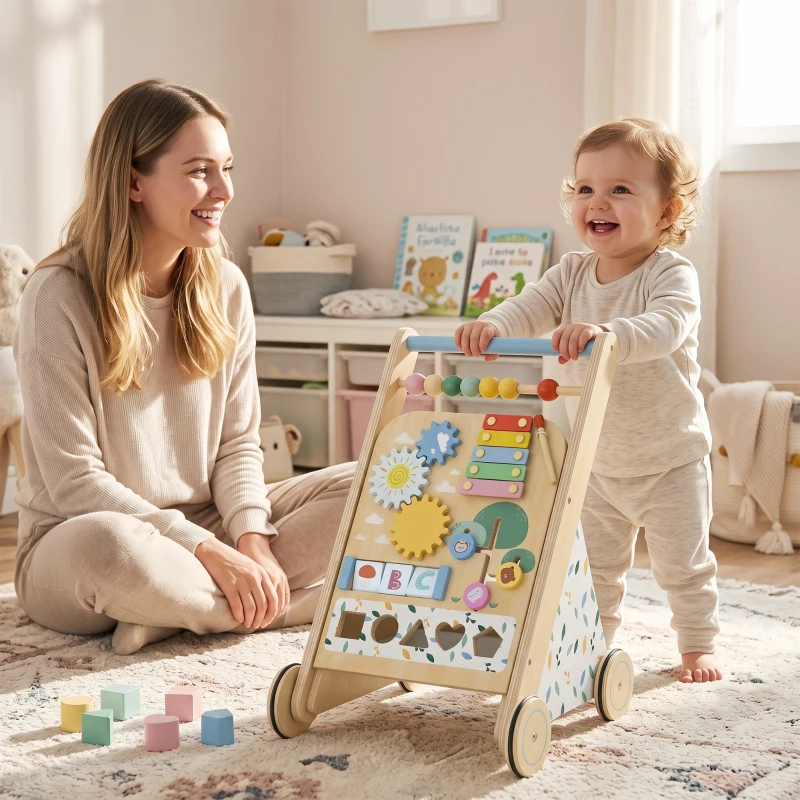
Baby toys are more than sources of entertainment. The right toys can encourage babies to explore their surroundings, practice movement, develop coordination, and interact with caregivers. Since babies grow and develop new abilities quickly, a toy that is suitable for a newborn may not provide enough stimulation for an older baby.
Choosing toys according to age and developmental stage can help parents provide activities that are both enjoyable and appropriate. Newborns generally benefit from simple toys that encourage visual and sensory awareness, while older babies may enjoy toys that promote grasping, crawling, problem-solving, and early communication. This article explores the best baby toys for different age groups and explains what to consider when selecting them.
Toys for Newborns: 0 to 3 Months
During the first few months, babies are beginning to become aware of sounds, movement, colors, and faces. Toys should therefore be simple and easy to observe or interact with.
Soft rattles, high-contrast toys, crinkle toys, and simple baby-safe mobiles can provide appropriate stimulation. Toys with different textures may also encourage sensory exploration when used under supervision.
At this stage, babies spend much of their time lying down, so toys that can be safely positioned within their visual range may be particularly engaging. Simple toys are often preferable because newborns do not need complicated features to remain interested.
Toys for Babies Aged 3 to 6 Months
Between three and six months, babies typically become more interested in reaching, grasping, holding, and bringing safe objects toward their mouths. Toys that are easy to grip can support these emerging skills.
Teething toys, soft blocks, lightweight rattles, and textured activity toys can encourage babies to practice hand movements. Toys that make gentle sounds when shaken can also introduce cause-and-effect relationships.
Parents should choose toys made specifically for babies and inspect them regularly for loose parts or damage.
Toys for Babies Aged 6 to 9 Months
As babies approach six to nine months, many become more physically active. They may begin rolling, sitting independently, reaching for objects, and preparing to crawl.
Activity cubes, stacking rings, soft balls, sensory toys, and simple shape toys can encourage movement and exploration. Toys that require babies to reach, transfer objects between hands, or manipulate large pieces can support developing coordination.
Large, lightweight toys can also encourage babies to move toward objects, making playtime more active.
Toys for Babies Aged 9 to 12 Months
Babies between nine and twelve months are often developing stronger coordination and becoming increasingly curious about how objects work. Toys that involve simple problem-solving can provide engaging challenges.
Stacking cups, large-piece puzzles, nesting toys, push-and-pull toys, and activity centers can encourage exploration. Musical toys can also introduce rhythm and help babies experiment with sound.
At this age, toys should remain simple enough for babies to explore independently while providing opportunities for caregiver interaction.
Toys for Babies Aged 12 to 18 Months
Once babies become toddlers, their play often becomes more active and purposeful. They may be walking, carrying objects, imitating adults, and experimenting with different ways to use toys.
Push toys, ride-on toys designed for the appropriate age, building blocks, toy vehicles, pretend-play accessories, and simple puzzles can support these developing abilities.
Toys that encourage movement can help make indoor play more active, while pretend-play toys can introduce everyday concepts such as cooking, cleaning, or caring for a toy animal.
Sensory Toys for Babies
Sensory toys can provide opportunities to explore different textures, sounds, shapes, and visual patterns. Soft fabric books, textured balls, crinkle toys, and appropriately designed sensory activity toys can engage multiple senses.
Sensory exploration is especially valuable during the first year because babies learn about their surroundings through seeing, touching, hearing, and safely mouthing objects.
Avoid toys with small detachable pieces and always follow the manufacturer's age recommendations.
Musical Toys
Musical toys can introduce babies to different sounds and rhythms. Simple rattles, baby-safe drums, shakers, and other age-appropriate musical toys allow children to discover that their actions can produce sounds.
Parents can also combine musical toys with singing and movement. This creates an opportunity for social interaction while making playtime more engaging.
Choose toys with appropriate volume levels, particularly for younger babies.
Building and Stacking Toys
Stacking toys are useful for developing coordination and early problem-solving skills. Large stacking rings, nesting cups, and oversized building blocks can be introduced at suitable developmental stages.
Babies can initially explore the pieces by holding and moving them. As they develop greater coordination, they can begin stacking, nesting, and arranging the pieces.
These toys can continue to provide value as children grow because they can be used in increasingly complex ways.
Bath Toys
Bath time can become an enjoyable play opportunity with suitable bath toys. Simple floating toys, cups, scoops, and water wheels can encourage babies to explore water movement.
Bath toys should be easy to clean and dry thoroughly between uses. Avoid toys that trap water inside, as moisture can encourage mold growth.
Always supervise babies closely around water, regardless of their age or swimming ability.
Soft Toys and Baby Books
Soft toys and cloth books can encourage early interaction and communication. Babies may enjoy touching different fabrics, looking at pictures, and listening while caregivers name objects or read simple stories.
As babies grow, books with large pictures, textures, flaps designed for the appropriate age, or simple repetitive words can encourage participation.
Choose books and soft toys that are designed specifically for babies and free from loose components.
Safety Considerations When Choosing Baby Toys
Safety should always be the first consideration when purchasing toys for babies. Check the recommended age range and select products appropriate for the child's developmental stage.
Avoid toys with small parts that could present a choking hazard. Examine toys regularly for broken components, loose stitching, cracks, or other damage.
Parents and caregivers should also supervise play, particularly when babies are using unfamiliar toys. Keep toys clean and follow the manufacturer's cleaning instructions.
Choosing Toys Based on Development
Age recommendations provide a useful starting point, but every baby develops at a different pace. A toy should be appropriate for the child's current abilities rather than chosen solely because of a particular age label.
Look for toys that encourage skills the baby is beginning to develop. For example, a baby learning to sit may benefit from toys that encourage reaching, while a baby beginning to crawl may enjoy toys that motivate movement.
Rotating toys rather than keeping every toy available at once can also make familiar toys feel interesting again.
Conclusion
The best baby toys for different age groups are those that combine age-appropriate fun with opportunities for exploration and development. Newborns can benefit from simple visual and sensory toys, while older babies may enjoy rattles, teethers, stacking toys, activity centers, puzzles, and movement-based toys. As children approach toddlerhood, building toys, pretend-play items, and push toys can provide new challenges.
When choosing baby toys, consider the child's developmental stage, interests, abilities, and safety requirements. Selecting suitable toys and actively participating in play can create enjoyable experiences while supporting early learning and discovery.
Frequently Asked Questions
1. How many toys does a baby actually need?
Babies do not need a large number of toys. A small selection of age-appropriate toys offering different types of sensory and physical activities can provide plenty of opportunities for play.
2. Should baby toys be washed regularly?
Yes. Babies frequently touch and mouth their toys, so cleaning them according to the manufacturer's instructions can help maintain good hygiene.

 English
 Arabic
 French
 Spanish
 Deutsch
 Turkish
 Dutch
Dutch
 Italiano
 Russian
 Romaian
 Portuguese (Brazil)
 Greek
Greek
 Bengali